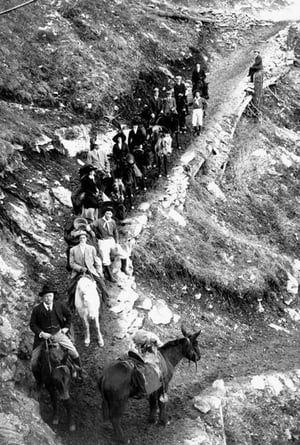
In 1902, Emery and Ellsworth Kolb opened a studio in the Grand Canyon and began making photographs of mule parties, landscapes, river adventures, and nearly every other dramatic scene and incident that occurred in the area. They also successfully navigated the Green and Colorado Rivers in 1911, filming their journey. This film ran in the Kolb Studio in the Grand Canyon from 1915 until Emery's death in 1976.
Intimate views of the movie stars of the Silent Era, at work and play; featuring Sessue Hayakawa, Lillian Gish and others.
Gerais da Pedra
Ijó Dudu: Memórias da Dança Negra na Bahia
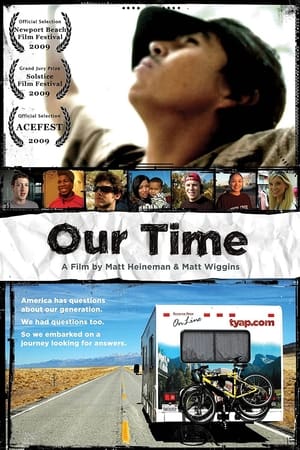
America has questions about today's youth, what we care about, and where we're headed. We had those questions too. So, after graduating college, four of us loaded an RV and embarked on a journey looking for answers. We traveled to all of the lower 48 states, talking to our peers about growing up, 9/11, race, the Internet, careers, sex, love, and the American Dream. Along the way, we met a wide cross-section of young Americans, ranging from a cancer researcher in Boston to a drug dealer in New Mexico, from an Iraq veteran in Florida to the founder of Facebook in Silicon Valley. The film ultimately leads to the recent historic election, where our generation finally stands up to make its voice heard. OUR TIME is a passionate portrayal of a generation, a meditation on coming of age in 21st-century America, and a rallying cry against apathy.
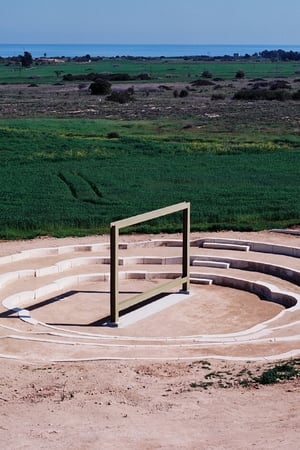
It is an investigation into the loaded, transforming topography that is already palpable in the landscape, before we actually understand what language it creates for our society.
A group of youths discuss their experiences with mental health in an interview setting, looking at their childhood, education, family and friends.
A working day for a group of young open-pit miners by a quarry in Apulia, Italy.
LA CASA DELLE VEDOVE portrays a group of widows who, he thinks, lived in a constant ‘dialogue‘ with death. In the house where they all lived ‘every colour was saturated with that special reddish shade that you see everywhere in Rome, and furthermore the rooms were filled with a stale, musty smell.‘
Lori relates her experiences before during and after the making of 'Caligula'
A look at the history of jazz, which has its origins in the music of Africans enslaved to North America 300 years ago.
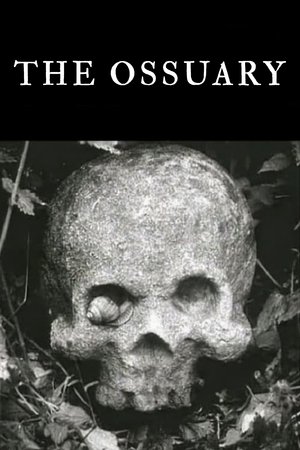
A non-narrative voyage round Sedlec Ossuary, which has been constructed from over 50,000 human skeletons (victims of the Black Death).
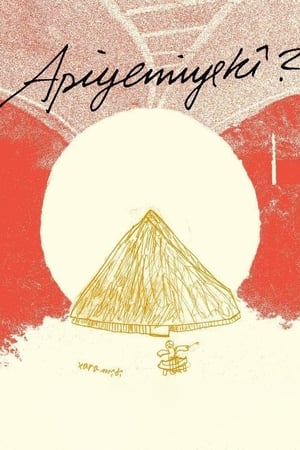
Apiyemiyekî? addresses the genocide of the Waimiri-Atroari people in 1970s, when during the Brazilian dictatorship indigenous lands in the mid-west were invaded for the construction of the national road BR-174 and the installation of a mining company. Illustrations about the period, created by the indigenous population, including children, reveal a traumatic history, referring us to the present day.
From the generation that lived through rationing in Britain, Dorothy Bradberry learned not to let anything go to waste - not a second nor any object.
The social democrats of the sixties and seventies worked on their grand plan to build a highway network in Germany that every German citizen could reach within five minutes of their home. The little film hangs around between and on the streets of this network - where the country discos, pedestrian zones, shopping centers, hospitals and roads home are behind noise barriers.
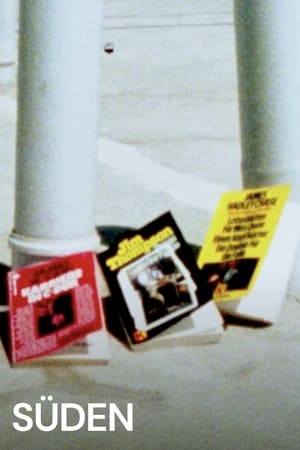
A lonesome car. The wind is whistling. A door of an undefined building opens—is it a holiday bungalow, a shed or a ruin? A woman is standing at the window. The heat of an idle day of holiday, perhaps. The South, a place of longing.
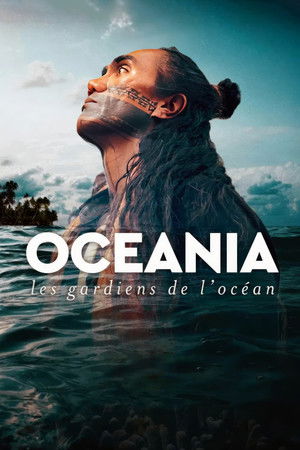
Océania, les gardiens de l'océan
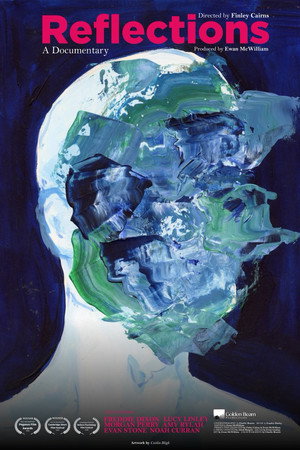
The filmmaker's live interaction with his on-screen image which is projected onto a hand-held mirrored screen.The screen is white one side and mirrored the other, and is used by the performer to either 'catch' the projected image, or reflect it around the cinema space. The image on Film is of the same activity happening in a sunlit landscape. Visual echoes are set up between the live event and the recorded one.
A documentary exploring social life in Yaffa before 1948 through a miniature portrait of a Palestinian couple, Wadee’a Aghabi and Naim Azar, constructed through the oral histories presented by their daughters and relatives.
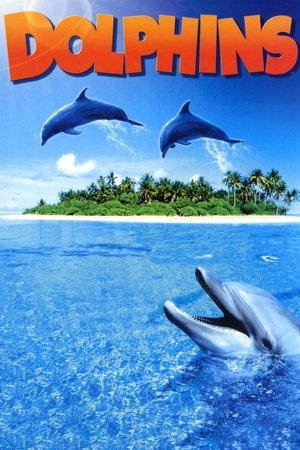
From the banks of the Bahamas to the seas of Argentina, we go underwater to meet dolphins. Two scientists who study dolphin communication and behaviour lead us on encounters in the wild. Featuring the music of Sting. Nominated for an Academy Award®, Best Documentary, Short Subject, 2000.