On the same day that Stalin was buried, Sergei Prokofiev's funeral took place completely unnoticed. And if the farewell to the composer quietly went against the backdrop of the farewell to the dictator that swept the whole country, then in the play everything is the opposite - Prokofiev's music is in the center, and it is interrupted by the stories of those people who would probably ignore Stalin's funeral and went to say goodbye to the great composer.
Adaptation of 'The Flying Dutchman', recorded at the Bavarian State Opera.
Diamante, an actress engaged in the filming of a drama, is shot down in a warehouse used to store the cinema "pizzas". Another actress, Ely, get a glimpse of the corpse, which however is immediately disappears.
Agatha Christie contre Hercule Poirot : Qui a tué Roger Ackroyd ?
After receiving a breakup letter, Jérôme turns to his two best friends to find a solution to win back his girlfriend.
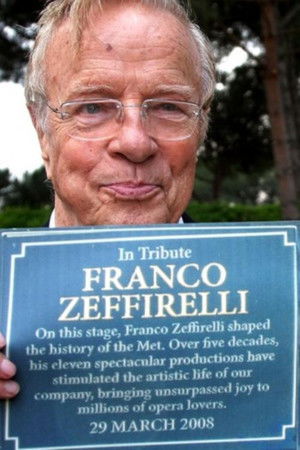
Franco Zeffirelli passed away on 15th June 2019. Chris Hunt's biography explores how Zeffirelli's sense of drama was born out of his own experience and how his life inspired his productions. Chris Hunt interviewed him and other famous actors, friends and associates, had a camera at Zeffirelli's 94th birthday and during the opening of his foundation in Florence. This documentary, including clips from operas, films and plays aims to be the definitive portrait of a Renaissance man larger than life.
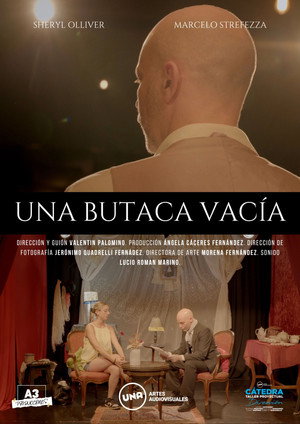
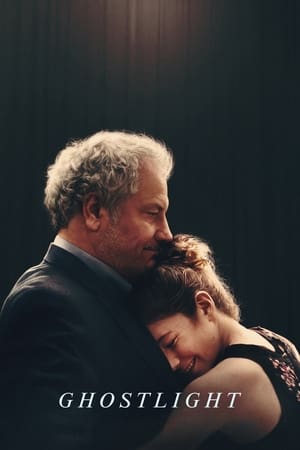
A renowned former actor returns to the stage alongside a young, inexperienced actress. But the lines they have to rehearse in the play have a strange connection to the man's tragic past.
Ryszard Cieslak and other members of the Polish Laboratory Theater demonstrate exercises designed to prepare the mind and body for performance.
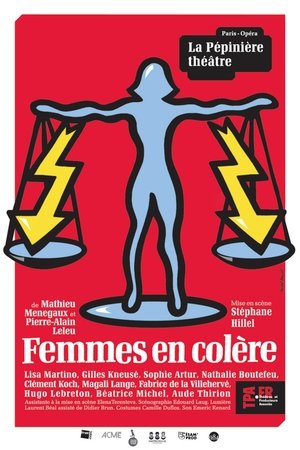
A filmed recording of a performance of the stage play “Femmes en Colère”, based on the novel by Mathieu Menegaux.
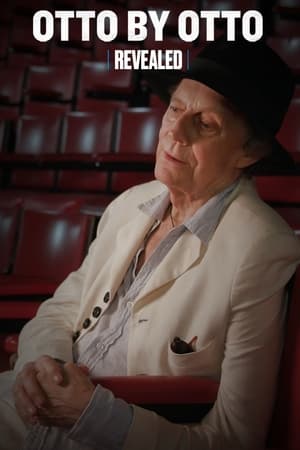
Inspired to make an original, intimate family portrait, Gracie Otto directs a feature length documentary on her father, Barry Otto, whose career in Australian theatre, film and television has spanned more than 50 years. Baz as he is affectionately known is one of a kind - a truly creative, endearing and extremely eccentric personality who embraces the serious and the silly. This story is about Gracie's relationship with her father, in the twilight of his career and his life, as she tries to capture his memories, before his memory disappears. This is not a traditional biopic, but a deeply personal, artistic and cinematic reflection. Sometimes poignant in its exploration of deteriorating health, the film looks at the world through Baz's eyes, an ode to living a passionate life, that both honours him and preserves his memory.
Set at a movie theater in a small village around 100 years ago. Silent films are play at the movie theater. A young man aspires to become a benshi, a performer that provides live narration to silent films.
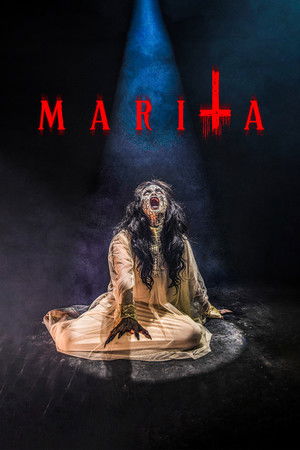
An actress commits suicide in a theatre full of people. Now she haunts the venue and those who visit.
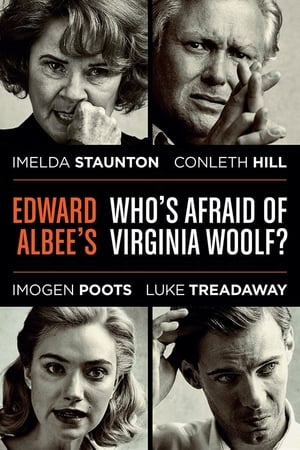
In the early hours of the morning on the campus of an American college, Martha, much to her husband George’s displeasure, has invited the new professor and his wife to their home for some after-party drinks. As the alcohol flows and dawn approaches, the young couple are drawn into George and Martha’s toxic games until the evening reaches its climax in a moment of devastating truth-telling.
When melancholic construction worker Dan finds himself drifting from his wife and daughter, he discovers community and purpose in a local theater's production of Romeo and Juliet. As the drama onstage starts to mirror his own life, he and his family are forced to confront a personal loss.
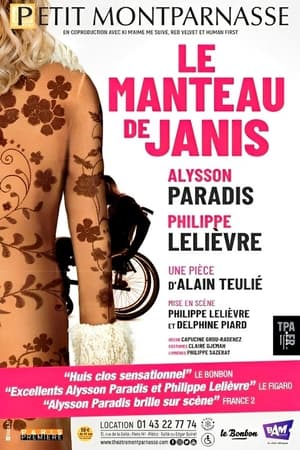
Le manteau de Janis
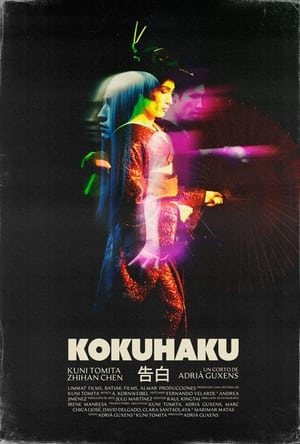
During an interview, Tadashi, a young Spanish-Japanese actor who plays female characters in a theatrical practice similar to kabuki, will return to the past to relive his most intimate memories.
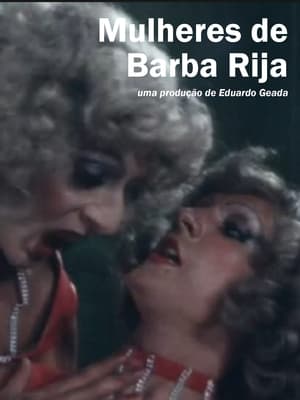
Mulheres de Barba Rija
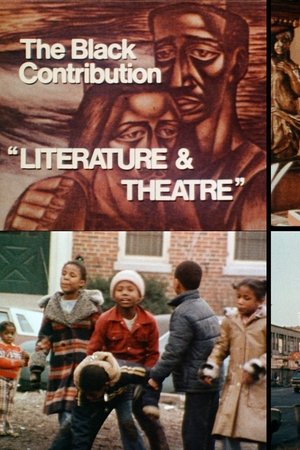
The Black Contribution – Literature and Theater 1978 is a rare documentary highlighting the voices and cultural impact of African American writers and performers during the civil rights era. Introduced by NAACP leader Benjamin Hooks and narrated by Roscoe Lee Brown, the film weaves together dramatic readings, theatrical excerpts, and candid urban street footage. Margaret Walker’s poem For My People is performed alongside scenes of daily Black life in New York City — children playing, families on stoops, open fire hydrants, and the realities of poverty in 1970s neighborhoods. James Baldwin appears in interview footage, while signs for his play The Amen Corner and stage excerpts from Lorraine Hansberry’s A Raisin in the Sun underscore the powerful presence of Black voices in American theater. With rare shots of Harlem life, literature, and performance, this film documents the enduring contributions of African American artists to U.S. culture and history.
Yukio Ninagawa's striking rendering of the classic play by Euripides done entirely in Japanese performed in both Japan and Greece at the famous Odeon of Herodes Atticus in Athens.
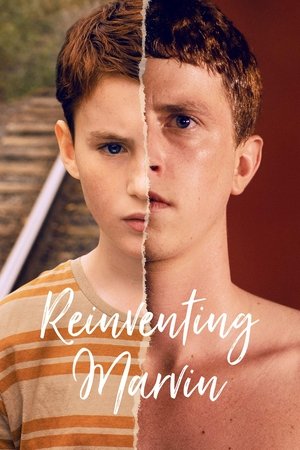
Telling the true story of Marvin Bijou, a young boy from a working-class family in a small village, who suffers constant bullying at school and home for being ‘different’ – too sensitive and too feminine. A chance encounter with a drama teacher opens the doors to a world that offers him the chance to escape his situation.