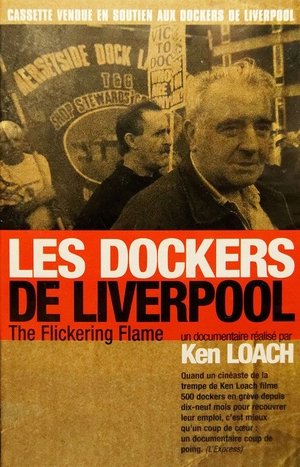
Documentary following dockers of Liverpool sacked in a labour dispute and their supporters’ group, Women of the Waterfront, as they receive support from around the world and seek solidarity at the TUC conference.
An explosion in one of the largest chemical plants in Europe, the Petrochemical complex in Tarragona, triggers the labour struggle of a group of workers who demand what is fair for everyone.
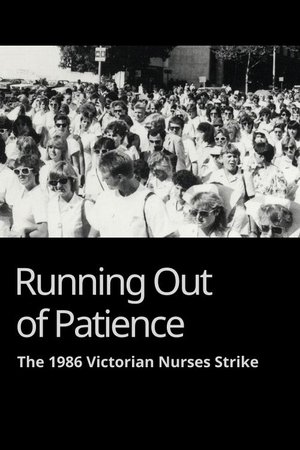
Running Out of Patience documents the Victorian nurses' strike of 1986, revealing various myths and stereotypes which have managed to pigeonhole women as saints first and unionists second.
Shattered Glass: A WNBPA Story dives deep into the lives beyond the court of the next generation of basketball luminaries, Jonquel Jones, Nneka Ogwumike, and Breanna Stewart, as well as WNBA legend, Sheryl Swoopes. From intense off-season routines to the intricacies of family dynamics to navigating the politics of women's sports, this documentary offers viewers a rare, all-encompassing look at the athletes as holistic individuals.
Documentary about the nurses' strike in Finland on autumn 2007.
Documentary overview of the life and causes of "Mother" Jones.
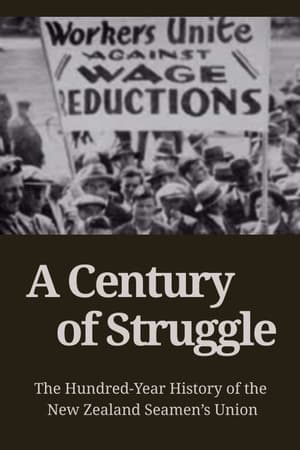
A Century of Struggle chronicles the hundred-year history of the NZ Seamen’s Union from its formation in 1879. Using original film and archive footage, it examines the working lives of seamen and the battles fought by their union from the sailing ships of colonial days to the modern turbine-powered container vessels. Because the Seamen’s Union was frequently at the forefront of working-class struggle in New Zealand, its story involves most of the crucial issues and events in the history of the union movement generally, including the great maritime strikes of 1890 and 1913 and the waterfront dispute of 1951.
On the 5th of March 1985, a crowd gathered in a South Yorkshire pit village to watch a sight none of them had seen in a year. The villagers, many of them in tears, cheered and clapped as the men of Grimethorpe Colliery marched back to work accompanied by the village’s world-famous brass band. The miners and their families had endured months of hardship. It had all been for nothing. The miners had lost the strike called on March 6th 1984. They would lose a lot more in the years to come. But was it a good thing for the country that the miners lost their last battle?
In their own words, this is the story of six women from the South Wales valleys and how they helped sustain the bitter year-long miners' strike, changing their lives forever.
Filmmakers Robert Kenner and Melissa Robledo reunite with investigative authors Michael Pollan and Eric Schlosser to take a fresh look at our efficient yet vulnerable food system.
Mémoires d'un condamné
Filmmaker Gary Kaunonen of KCC-TV in International Falls just released a new documentary about a pivotal time in Northern Minnesota’s labor history. It’s called “Northern Minnesota’s Labor Wars.” The years 1916 and 1917 brought major labor uprisings in the mines of the Mesabi Iron Range and the lumber camps of the state’s far northern pine forests. These events not only shaped local history, but became vital turning points in the national and international labor movement.
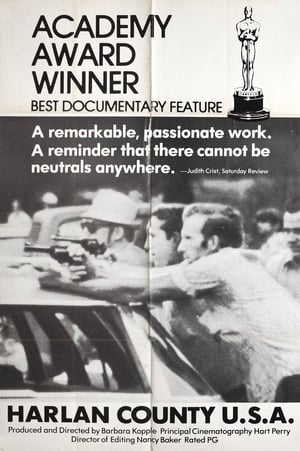
A heartbreaking record of the thirteen-month struggle between a community fighting to survive and a corporation dedicated to the bottom line.
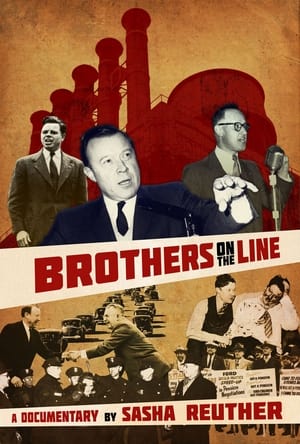
Brothers on the Line explores the extraordinary journey of the Reuther brothers – Walter, Roy, and Victor – union organizers whose unshakeable devotion led an army of workers into an epic human rights struggle.
Through the eyes of a Quebec Jewish activist, Lea Roback, feminist, unionist, pacifist and communist, A VISION IN THE DARKNESS proposes a modernist vision of Quebec history, from the beginning of the twentieth century to the period knows as « La Grande Noirceur », the Great Darkness.
When workers at the Hormel meatpacking plant in Austin, Minnesota are asked to take a substantial pay cut in a highly profitable year, the local labor union decides to go on strike and fight for a wage they believe is fair. But as the work stoppage drags on and the strikers face losing everything, friends become enemies, families are divided and the very future of this typical mid American town is threatened.
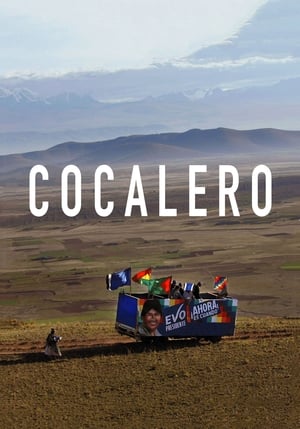
A documentary centered on the union formed by Bolivian farmers in response to their government's (which was urged by the U.S.) effort to eradicate coca crops, and the man who would come to represent them, Evo Morales.
This film takes us into the harsh realm of BC's early coal mines, canneries, and lumber camps; where primitve conditions and speed-ups often cost lives. Then, the film moves through the unemployed' struggles of the '30s, post WWII equity campaigns, and into more recent public sector strikes over union rights.
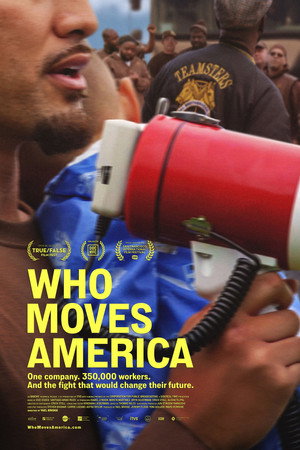
Across America, UPS workers come together to demand better working conditions as they go about criss-crossing the world, delivering packages and connecting lives.
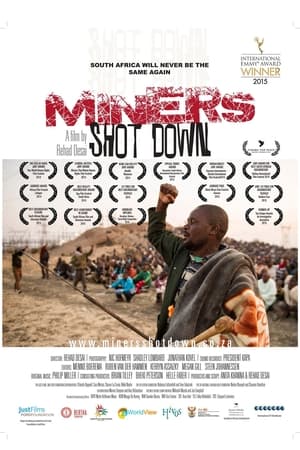
In August 2012, mineworkers in one of South Africa’s biggest platinum mines began a wildcat strike for better wages. Six days later the police used live ammunition to brutally suppress the strike, killing 34 and injuring many more. Using the point of view of the Marikana miners, Miners Shot Down follows the strike from day one, showing the courageous but isolated fight waged by a group of low-paid workers against the combined forces of the mining company Lonmin, the ANC government and their allies in the National Union of Mineworkers.