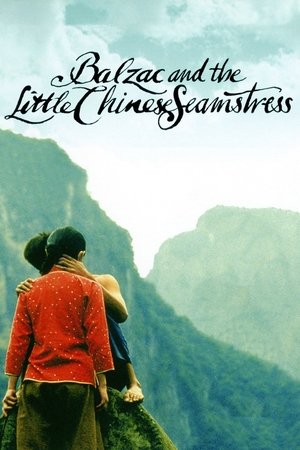
During the Cultural Revolution, two young men are sent to a remote mining village where they fall in love with the local tailor's beautiful granddaughter and discover a suitcase full of forbidden Western novels.
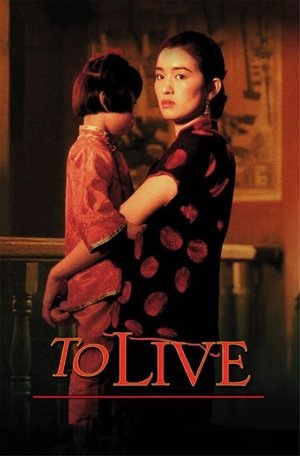
Married couple Fugui and Jiazhen endure tumultuous events in mid-20th century mainland China as their personal fortunes move from wealthy landownership to peasantry.
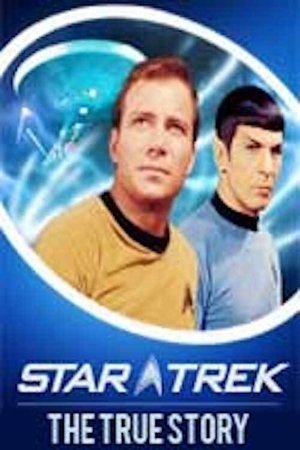
Documentary covering the current state of both the theoretical and practical development of the various scientific basic principles that served, as per Gene Roddenberry's dictum, as a believable basis at the time for The Original Series. Several real-world scientists are interviewed, not a few of them unabashedly admitting they went into their chosen field of profession because of Star Trek: The Original Series.
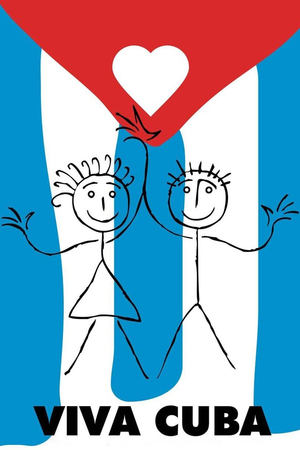
The friendship between two children is threatened by their parents’ differences. Malú is from a family that was upper-class before the Revolution and remains well-to-do through remittances from relatives overseas, and her single mother (Larisa Vega Alamar) does not want her to play with Jorgito, as she thinks his background coarse and commonplace. Jorgito’s mother (Luisa María Jiménez Rodríguez),
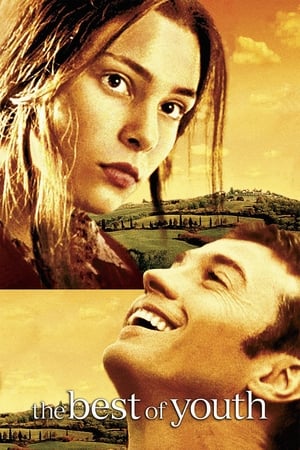
After a fateful encounter in the summer of 1966, the lifepaths of two brothers from a middle-class Roman family diverge, intersecting with some of the most significant events of postwar Italian history in the following decades.
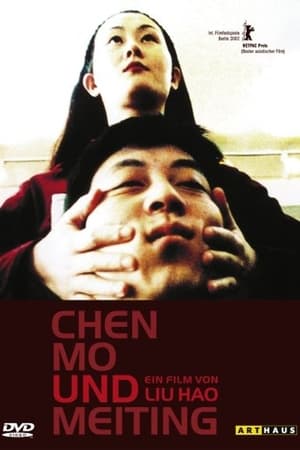
The touching encounter of two drifting beings - Meiting, a hairdresser, and Chen Mo, a street vendor, in Beijing. A strange relationship on the background of survival and anonymous urbanization, a chronicle on the survival of feelings.
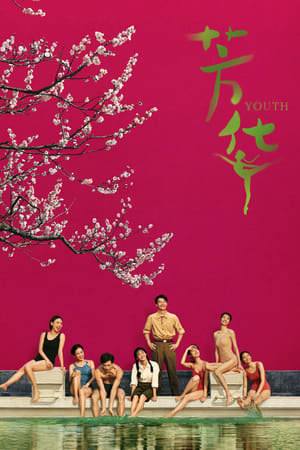
A group of performing art troupe members each face their own trials and tribulations in Chengdu; from escaping a family scandal to dealing with unrequited love, each experiences rejection that shapes their lives.
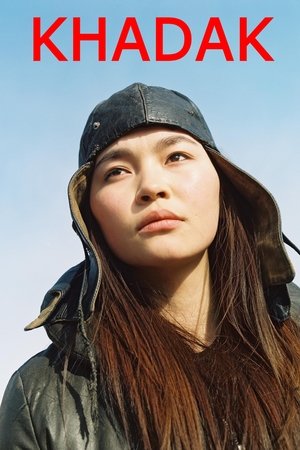
Set in the frozen steppes of Mongolia, a young nomad is confronted with his destiny after animals fall victim to a plague which threatens to eradicate nomadism.
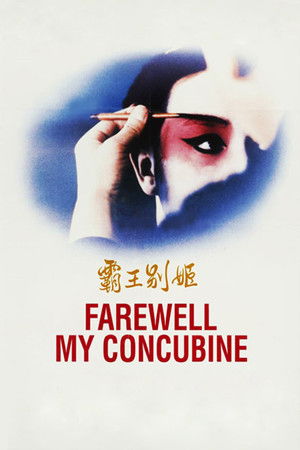
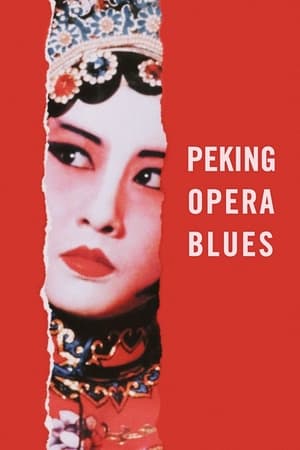
In an epic tale of theater, gender, love and class, two Beijing opera actors navigate political turmoil as their friendship evolves over decades.
Kekaiulu Hula Studio follows the Proclaimed Hula Halau of the same name, showcasing their twist on what the real reason for hula is and what life as a dancer in the halau is really like. Something previously unseen in the public eye.
In 1913 Beijing, three fierce women—disguised rebel Tsao Wan, jewel-seeking Sheung Hung, and opera heiress Pat Neil—embark on a daring quest filled with intrigue and betrayal, challenging societal norms amidst political turmoil and the vibrant world of Peking Opera.
The rock-wild youth of the 1960s during the apparitions of their idols.
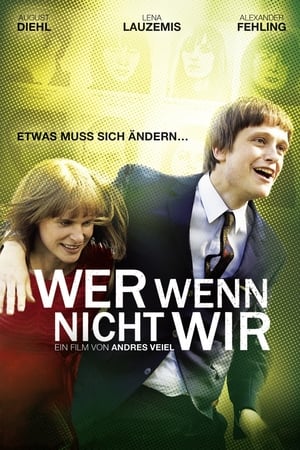
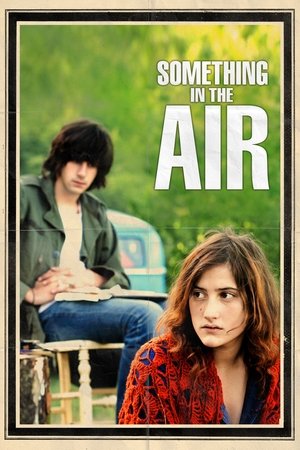
During the 1970s a student named Gilles gets entangled in contemporary political turmoils although he would rather just be a creative artist. While torn between his solidarity to his friends and his personal ambitions he falls in love with Christine.
China’s rapid changes from the late 1970s to the early 1990s, as seen through the lives of four performers in a theater troupe.
After the cultural revolution
1975 on the south west border of China
It is the year of 2010, Xue Beijing, a 50-year-old director, is preparing to make a film about his youth and remarkable ages in late 60's.
Based on a novel by the same name written by Gu Hua, a melodrama about the life and travails of a young woman who lives through the turmoil of the Cultural Revolution.
Ming Wang is an impoverished Chinese prodigy who flees Communist China to become a pioneering eye surgeon in America. When tasked with restoring the sight of an orphan in India, who was blinded by her stepmother, Wang must confront the trauma of living through the violent uprising in his youth, the Cultural Revolution.
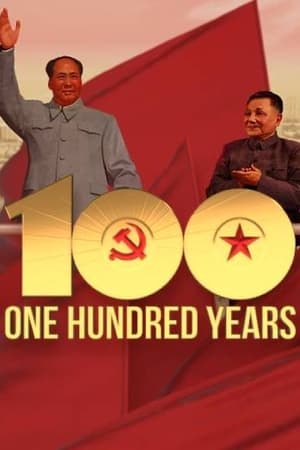
As the Communist Party of China celebrates its 100th anniversary, this documentary looks back at the party’s history, from the 1920’s, to the Civil War, the Great Leap Forward, the Great Famine, the Cultural Revolution and the reforms by Mao Zedong and Deng Xiaoping. Did the Great Famine cost more than 15 million lives? How does the Cultural Revolution continue to shape Chinese politics today? What was capitalism like after Mao’s death? Through rare and never-before-seen historical footage, expert interviews and eyewitness accounts of the Great Famine, Tiananmen incident, and the Cultural Revolution, get to know how one party has so profoundly shaped China.