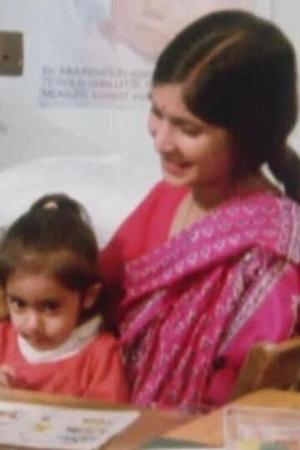
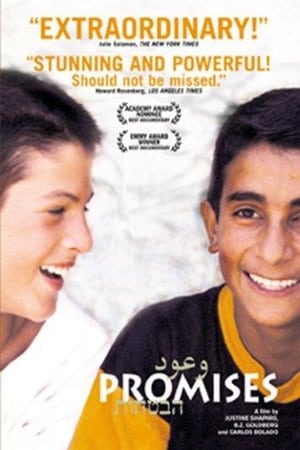
Documentarians Justine Shapiro and B.Z. Goldberg traveled to Israel to interview Palestinian and Israeli kids ages 11 to 13, assembling their views on living in a society afflicted with violence, separatism and religious and political extremism. This 2002 Oscar nominee for Best Feature Documentary culminates in an astonishing day in which two Israeli children meet Palestinian youngsters at a refugee camp.
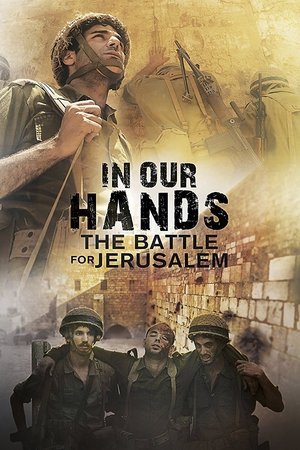
Produced by CBN Documentaries and Biblical Productions, "In Our Hands" tells the story of the Battle of Jerusalem in the Six-Day War through the eyes of the IDF's 55th Paratrooper Brigade
In Israel, a joint French-Israeli scientific mission is set to unearth the secrets of the hill of Kiryath-Jearim (or Kiryat Ya’arim), converted to the site of a Catholic convent, where, according to the Bible, the Ark of the Covenant was kept for at least twenty years before being brought to Jerusalem by King David, father of King Solomon, who would eventually build the Holy of Holies inside the First Temple to house it.
Jesus Camp is a Christian summer camp where children hone their "prophetic gifts" and are schooled in how to "take back America for Christ". The film is a first-ever look into an intense training ground that recruits born-again Christian children to become an active part of America's political future.
Journalist Laurence Haïm, a 25-year U.S. correspondent, explores the complexities of this powerful nation. Following the presidential race between Kamala Harris and Donald Trump, she documents Trump’s campaign, the devotion of his supporters, and his appeal to the most religious and conservative wing of the American right.
This film focuses on the basics of adapting to life in England.
Examines the implications of Christian Nationalism, how it distorts not only our constitutional republic, but Christianity itself, and asks the question: What happens when a faith built on love, sacrifice, and forgiveness grows political tentacles, conflating power, money, and belief into hyper-nationalism?
In the first century, after the death of Herod the Great, Judea goes through a long period of turbulence due to the actions of the corrupt Roman governors and the internal struggles, both religious and political, between Jewish factions, events that soon lead to the uprising of the population and a cruel war that lasts several years and causes thousands of deaths, a catastrophe described in detail by the Romanized Jewish historian Titus Flavius Josephus.
An account of the reign of Herod the Great, king of Judea under the rule of the Roman Empire, remembered for having ordered, according to the Gospel of Matthew, the murder of all male infants born in Bethlehem at the time of the birth of Jesus, an unproven event that is not mentioned by Titus Flavius Josephus, the main historian of that period.
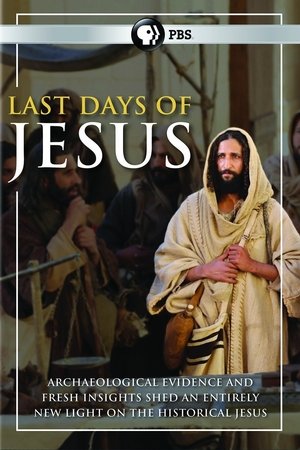
Hugh Bonneville reveals how a perfect storm of political intrigue, power struggles and clashing religious passions combined, in a single week, to cause the event that changed the world: the killing of Jesus.
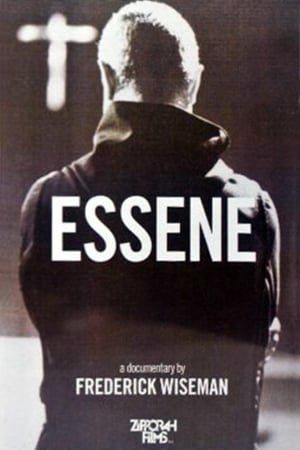
Essene is about daily life in a Benedictine monastery and the resolution of conflict between personal needs and the institutional and organizational priorities of the community. In the Order, where the focus of life is the relationship of individual work and worship to the community as a whole, the brethren must cope with the same issues that arise in any community: rules, work, worship, values, love, and play.
More than a familiar recitation, the Lord’s Prayer is revealed as the very heartbeat of the Gospel: a bold, revolutionary call to live God’s Kingdom here and now. Each line opens a doorway into the world of Scripture, unveiling the cultural, historical, and spiritual depth behind Jesus’s teaching. Through captivating visuals, exceptional scholarship, and powerful storytelling, viewers will rediscover the prayer’s transformative power. It challenges us not merely to say the words, but to embody them—to shape our lives around trust, surrender, forgiveness, and the pursuit of God’s justice and peace.
Ten years after establishing New Heights, the pastors, their families, and other influential members of the church sit down for roundtable discussions to look back on the past decade and forward toward their future plans for the congregation.
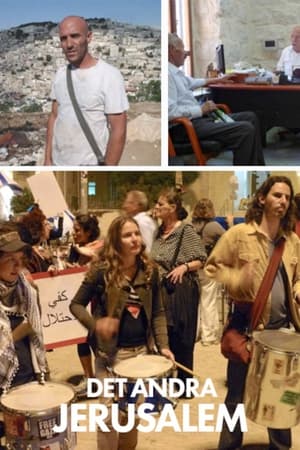
The painful personal stories of five Palestinian kids, ages 7-17, open a window into the world of Palestinian minors under Israeli occupation - trapped within the violence, humiliation, and daily confrontations with soldiers and settlers - while remaining children in every way. Each child finds his or her own way to cope and to construct emotional and political worlds in an impossible situation.
Rule of Stone is a documentary film that exposes the power of architecture and the role it has played – aesthetically, ideologically and strategically – in the creation of modern Jerusalem after the 1967 war.
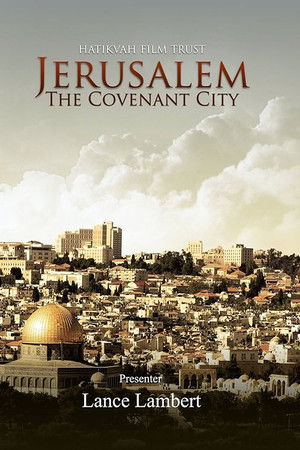
This fascinating program presents the story of Jerusalem and the Holy Land against the backdrop of history and prophecy. Jerusalem is the city where history began, and where many believe history will end.
The film presents a harmonious picture of Palestinian civil life in Jerusalem that is disturbed by the Israeli army’s occupation of the city following 1967.
Edward Said, Professor of English & Comparative Literature at Columbia University, was one of the most prominent literary critics of the late 20th century and a leading spokesperson for the Palestinian cause in the US. In this episode, Said examines Western attitudes to the Arabs and finds their origins in the Crusades, Hollywood and European empire building. He sees the Palestinian fate as the result of years of Western interference. One of the ten episodes of The Arabs: A Living History.
Millions of American Evangelicals are praying for the State of Israel. This film traces this unusual relationship, from rural Kentucky to the halls of government in Washington, through the moving of the American Embassy in Jerusalem and to the annexation plan of the West Bank.
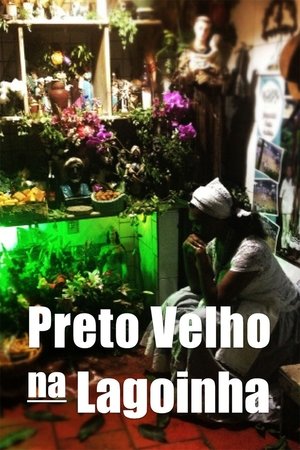
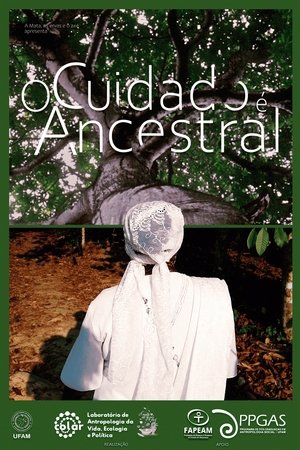
The documentary explores the curative knowledge and resistance by african-rooted religion leaders in the Amazon, highlighting the connection between humans, nature, and spirituality. In Manaus, forested areas become spaces of healing, while the film fosters a dialogue between traditional knowledge and the need to rethink our relationship with the environment.