American Aloha: Hula Beyond Hawai’i shows the survival of the hula as a renaissance continues to grow beyond the islands. With the cost of living in Hawai'i estimated at 27 percent higher than the continental United States, large numbers of Hawaiians have left the islands to pursue professional and educational opportunities. Today, with more Native Hawaiians living on the mainland than in the state of Hawai'i, the hula has traveled with them. From the suburbs of Los Angeles to the San Francisco Bay Area, the largest Hawaiian communities have settled in California, and the hula continues to connect communities to their heritage on distant shores.
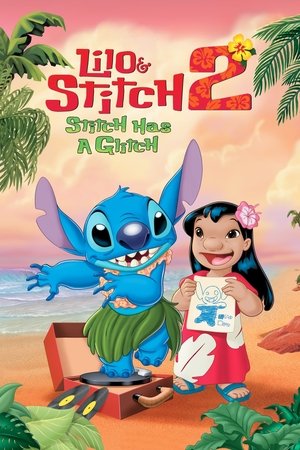
As Stitch, a runaway genetic experiment from a faraway planet, wreaks havoc on the Hawaiian Islands, he becomes the mischievous adopted alien "puppy" of an independent little girl named Lilo and learns about loyalty, friendship, and ʻohana, the Hawaiian tradition of family.
Now, we find the rowdy extraterrestrial getting used to life with his new ʻohana. However, a malfunction in the ultimate creation of Dr. Jumba soon emerges, which reinstates his destructive programming and threatens to both ruin his friendship with Lilo and to short him out for good!
A transgender Native Hawaiian teacher inspires a young girl to fulfill her destiny of leading the school's male hula troupe, even as she struggles to find love and a committed relationship in her own life.
In the waning days of summer 1931, Honolulu's tropical tranquility was shattered when a young Navy wife made a drastic allegation of rape against five nonwhite islanders. What unfolded in the following days and weeks was a racially-charged murder case that would make headlines across the nation, enrage Hawai'i's native population, and galvanize the island's law enforcers and the nation's social elite.
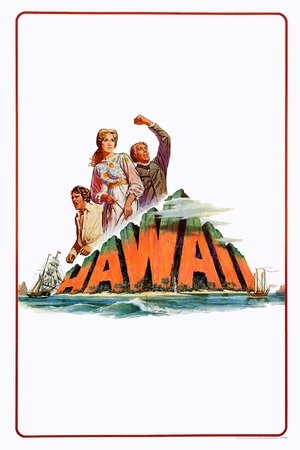
Abner Hale, a rigid and humorless New England missionary, marries the beautiful Jerusha Bromley and takes her to the exotic island kingdom of Hawaii, intent on converting the natives. But the clash between the two cultures is too great and instead of understanding there comes tragedy.
Inspired by the isolated beauty of tropical islands and the explosive allure of ocean volcanoes, Lava is a musical love story that takes place over millions of years.
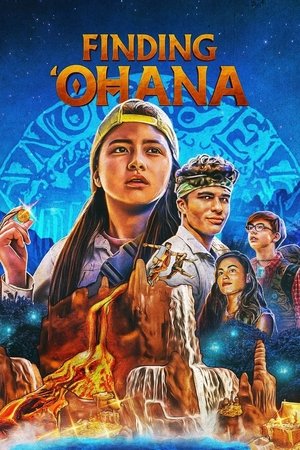
Two Brooklyn siblings' summer in a rural Oahu town takes an exciting turn when a journal pointing to long-lost treasure sets them on an adventure, leading them to reconnect with their Hawaiian heritage.
Ka'iulani, a 19th-century Hawaiian princess, is raised in England but determined to maintain her people's independence from aggressive American businessmen. After being sent to England as a child by her Scottish father, Ka'iulani returns to Hawaii and becomes a political activist who fights to retain her throne, even though she must leave her English paramour.
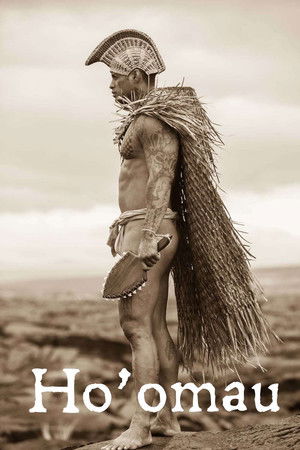
A fictional story of ancient Hawai‘i anchored in Hawaiian values, Ho'omau is the story of Lehua, a young woman of mixed ancestry, who must persist against perilous odds to defend all she holds dear when war breaks out between tribes of different origin in ancient Hawai'i.
As an outbreak of leprosy engulfs 19th-century colonial Hawai'i, a small group of infected Native Hawaiians resist government-mandated exile, taking a courageous stand against the provisional government. Inspired by real-life events.
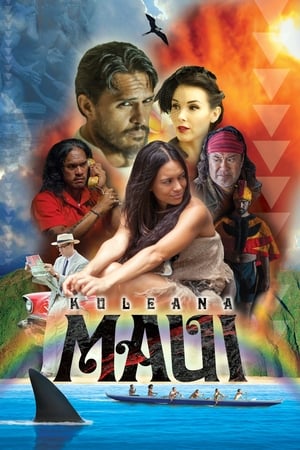
A Vietnam vet suspected of murder in '71 Maui must rediscover the Hawaiian warrior within to protect his family, defend their land, and clear his father's name.
Kekaiulu Hula Studio follows the Proclaimed Hula Halau of the same name, showcasing their twist on what the real reason for hula is and what life as a dancer in the halau is really like. Something previously unseen in the public eye.
Nihi is a film biography of Titus Kinimaka, one of the last remaining professional big-wave riders of pure Hawaiian descent. As a boy, he won surf contests against those twice his age; by his teens, he was recognized as one of the best surfers to have ever hit the waves. In 1996 at age 41, Titus was named Waterman of the Year by the Hawaiian Lifeguard Association for outstanding rescues as a lifeguard. He has spent over twenty years spreading aloha spirit, traveling the world as an ambassador for surfing and Hawaiian culture
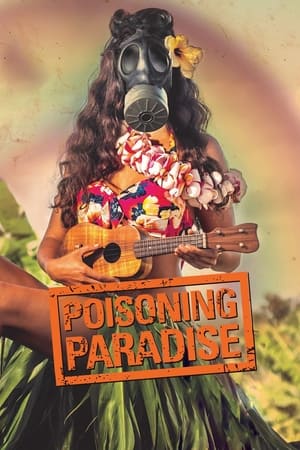
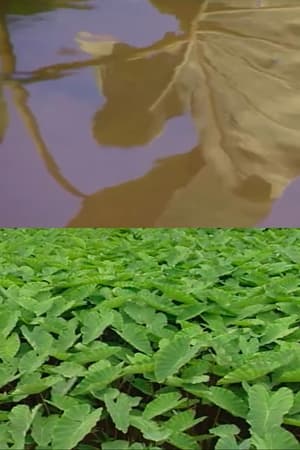
Journey to the seemingly idyllic world of Native Hawaiians, whose communities are surrounded by experimental test sites for genetically engineered seed corn and pesticides sprayed upwind of their homes, schools, hospitals, and shorelines.
6B is the anthology feature film of five Hawaii filmmakers. Each of the four stories revolve around rooms with the number 6B and the film examines the darker side of island life: a man struggling with drug addiction has a revelation about his identity; an ex-con must enter an underground poker game to reunite with his daughter; a young woman befriends her neighbor, a former hit man; and a local family deals with an impending tsunami. 6B features an all-Hawaii cast, crew, and production.
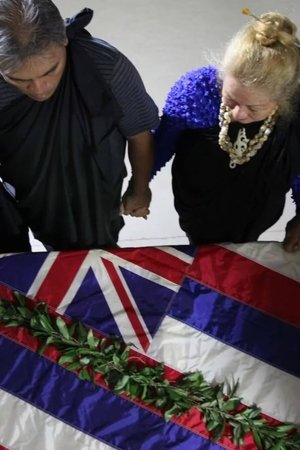
Ka Hoʻina documents members of Hui Mālama I Nā Kūpuna O Hawaiʻi Nei's final repatriation of over 140 sets of iwi kupuna and provides an intimate look into the legacy forged by these committed and passionate few, ensuring that Hawaiians will mālama or care for kupuna for generations to come.
Five-time Olympic medalist and Native Hawaiian Duke Paoa Kahinu Mokoe Hulikohola Kahanamoku shattered records and brought surfing to the world while overcoming a lifetime of personal challenges. Waterman explores his journey and legacy as a legendary swimmer, trailblazer, and the undisputed father of modern-day surfing, following the sport’s first-time inclusion in this year’s Summer Olympics – a fitting tribute to his work promoting the sport around the globe.
This hour-long documentary is a provocative look at a historical event of which few Americans are aware. In mid-January, 1893, armed troops from the U.S.S Boston landed at Honolulu in support of a treasonous coup d’état against the constitutional sovereign of the Hawaiian Kingdom, Queen Lili‘uokalani. The event was described by U.S. President Grover Cleveland as an "act of war."
This short documentary chronicles a four-month period between 1979 and 1980 when residents of Hawaii's Sand Island "squatter" community attempted to resist eviction from the Honolulu shoreline - resulting in displacement, arrests, and the destruction of a community.