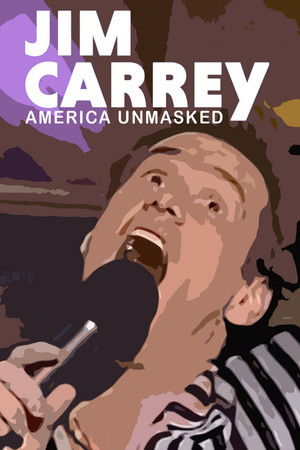
Composed of numerous archives and film clips, this documentary is the story of a transgressive actor, a pirate who came to crack America's too perfect mask to reveal its most infantile and moronic face, right in the heart of the Hollywood system.
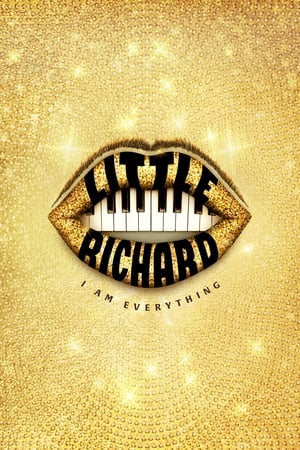
The story of the black, gay origins of rock n' roll. It explodes the whitewashed canon of American pop music to reveal the innovator – the originator – Richard Penniman. Through a wealth of archive and performance that brings us into Richard's complicated inner world, the film unspools the icon's life story with all its switchbacks and contradictions.
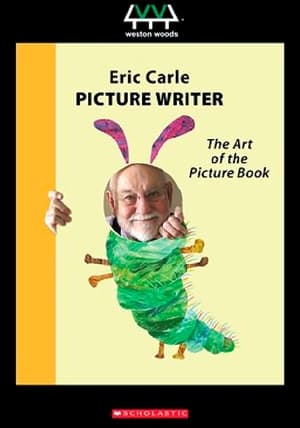
An intimate portrait of Eric Carle, creator of more than 70 books for children including the best-selling "The Very Hungry Caterpillar". At 82, Eric is still at work in his studio making books and creating art. As he methodically layers a tissue paper collage of the caterpillar, he describes the feeling he achieves working in his studio, the sense of being at peace, all alone, when everything grows quiet and it is just himself and his work. The film taps into that deep creative need in each of us, a spirit that started in Eric as a very young child and is unceasing today.
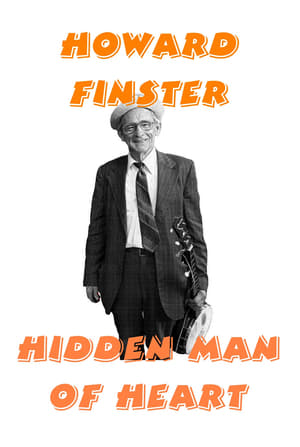
This remastered, rare, local production from the 80s is an unfiltered look into the mind and heart of the world-renowned folk artist Howard Finster. Walking and talking in his Paradise Garden, Finster gives insight into his visions, Faith, and artwork. He even sings and plays the banjo. Dr. George Pullen interviews Finster. And in this case, the word "interview" means that Dr. Pullen just lets Finster talk. And it's pure gold.
Famed French artist, photographer, writer and actor Hervé Guibert riveting self-portrayal of his last months and journies living with AIDS. Hervé is seen here in this film with his Panasonic video camera documenting his life. The scenes are shot from June 1990 through March 1991 in Paris France and a respite on the island of Elba. The film was first shown on TF1 (French Television 1) on January 20th, 1992, shortly after his death on December 27th, 1991. The film portrays a very personal look into the human condition.
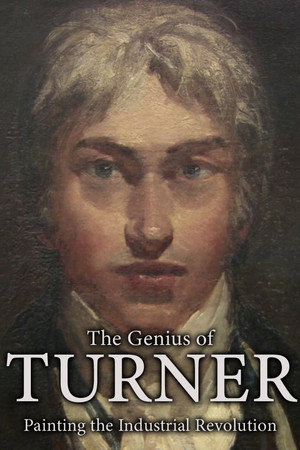
A film that looks at the genius of JMW Turner in a new light. There is more to Turner than his sublime landscapes - he also painted machines, science, technology and industry. Turner's life spans the Industrial Revolution, he witnessed it as it unfolded and he painted it. In the process he created a whole new kind of art. The programme examines nine key Turner paintings and shows how we should re-think them in the light of the scientific and Industrial Revolution. Includes interviews with historian Simon Schama and artist Tracey Emin.
This documentary by independent filmmaker Ken Harrison provides a look into the contemporary Texas art world of the mid-‘70s. Shot in 1975, Jackelope is loosely divided into three segments, each focusing on three young artists: James Surls, George Green, and Bob Wade. The documentary captures each artist in the more casual moments of their lives, capturing their ideas about art, the artistic process, Texas, and other topics in the process.
Matisse & Lydia
Bacon-Freud, face à face
2020 marks 100 years since the birth of Federico Fellini, the most prominent Italian director and one of the symbols of the insuperable cinematic heyday of mid-20th century. Fellini had always been a mysterious director, not only in his cryptic symbolism but also in his idiosyncratic, excessive mixture of psychoanalysis, Catholicism and faith in the mysterious. In this documentary, his relationship with the paranormal, luck and fate, alongside the coexistence of organized discourse and transcendence to the imaginary, is examined via friends, collaborators and distinguished fans (Friedkin, Gilliam, Chazelle). A great testimony to why rationalists and ideologists have a hard time with his work, ‘Fellini and the Spirits’ is an appropriate yet unexpected tribute.
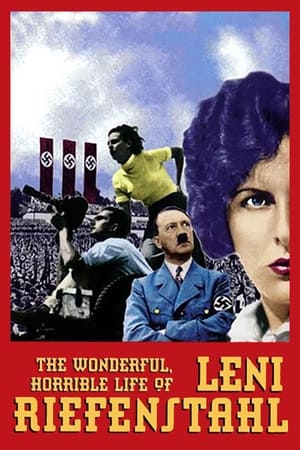
This documentary recounts the life and work of one of most famous, and yet reviled, German film directors in history, Leni Riefenstahl. The film recounts the rise of her career from a dancer, to a movie actor to the most important film director in Nazi Germany who directed such famous propaganda films as Triumph of the Will and Olympiad. The film also explores her later activities after Nazi Germany's defeat in 1945 and her disgrace for being so associated with it which includes her amazingly active life over the age of 90.
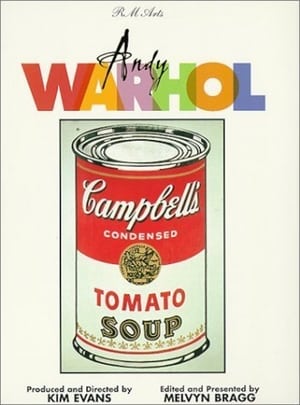
The first major profile of the American Pop Art cult leader after his death in 1987 covers the whole of his life and work through interviews, clips from his films, and conversations with his family and superstar friends. Andy Warhol, the son of poor Czech immigrants, grew up in the industrial slums of Pittsburgh while dreaming of Hollywood stars. He went on to become a star himself.
In the early 70s, Barbara discovered herself backstage on her French tour. The artist plays with intimacy and camera glances. Between concerts, she talks to herself and the men in her life.
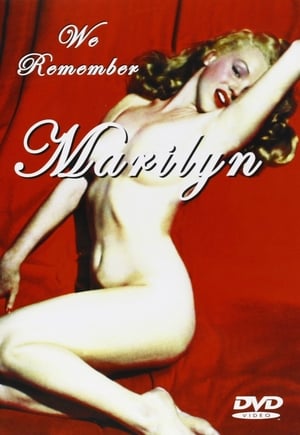
We Remember Marilyn. Marilyn Monroe transforms from Norma Jean, a cuddly teenager, into the most recognizable face and body in the world in these home movies, photos and film clips which span her early bit parts to her most known roles.
Pablo Picasso is one of the greatest artists of all time - and right up until his death in 1973 he was the most prolific of artists. Many films have dealt with these later years - the art, the affairs and the wide circle of friends. But where did this all begin? What made Picasso in the first place? Too long ignored, it is time to look at the early years of Picasso; the upbringing and the learning that led to his extraordinary achievements.
A painter recounts the life of Michelangelo.
When Jamie Diamond bought a discarded German family photo album from 1938, she did not expect to make art with it. But upon bringing a child into Trump's America, she began to notice uncanny parallels, and set out to recreate the original snapshots with her own son, collapsing space and time, merging pixels with the grain.
An artist with an exuberant imagination, a painter of the most extraordinay gardens and terrifying hells, a respected public figure of Hertogenbosch, and a man of faith – Hieronymus Bosch is certainly the most fascinating and mysterious artist of the Renaissance.
Dante Alighieri was a poet, philosopher and politician in 1300 Florence. The visionary author of "Inferno", the first book of the "Divine Comedy", he was both a direct witness and a narrator of his times and his poem is a remarkable geopolitical chronicle of a tumultuous period of the Middle Ages from 1300 to 1320, a time when Kings, Popes, rulers and warlords played a deadly chess game for the control of Europe. In this high end docudrama, some of the world's finest scholars will help provide historical context to the unfolding of events, making them accessible to a wide audience, and giving us a privileged viewpoint over one of the most eventful and funding chapters of European history.
Biographer Sir John Richardson and Picasso’s granddaughter, Diana Widmaier Picasso, are the star witnesses in a documentary that reassesses the artist’s output in the years before his death in 1973. The story is of a creative spirit finding new impetus in response to both death’s approach and the censure of contemporaries and critics. Those who were members of Picasso’s private inner circle – gossip about his lifestyle also helped to fire him back up – put the later work forward as some of his frankest, wittiest and most profound.