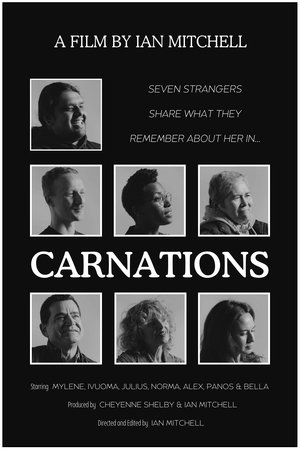
Seven strangers are interviewed to talk about the relationship they have with their mother.
Via Dolorosa captures director’s journey in reconnecting with Vietnamese homeless persons whom she filmed for another short film two years ago. While she accompanied a man in his final days, Jo searched within herself to resolve the original sin of the documentary filmmaker as a bystander to the suffering of others.
It's a sensitive, moving doc chronicling the life of Tétrault's brother Philip , a Montreal poet, musician and diagnosed paranoid schizophrenic. A promising athlete as a child, Philip began experiencing mood swings in his early 20s. His extended family, including his daughter, share their conflicted feelings love, guilt, shame, anger with the camera. They want to make sure he's safe, but how much can they take?
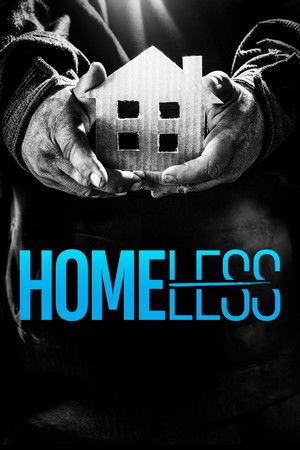
HOMELESS is a documentary that humanizes unhoused people and explores their backgrounds, dreams and struggles to find the way home. The film aims to raise awareness and funds to end homelessness, which is an ever more urgent global challenge: The United Nations Human Settlements Program estimates that 1.6 billion people live in inadequate housing, and the best available data suggests that more than 100 million people have no housing at all.
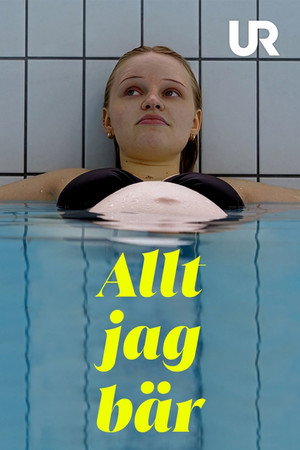
Allt jag bär
1994 at the Ambassador Hotel, 55 Mason Street in the Tenderloin district of San Francisco, California. From 1978 to 1996, the hotel was managed by Hank Wilson, a San Francisco LGBT activist who made the hotel a model for harm reduction housing. 134 run-down and exhausted rooms populated by homeless men and women, sometimes even children. All of them in urgent need of care, compassion and humanity. Nobly provided by voluntarily working professional health care and social workers staff, various benefactors, volunteers, neighbors, and community contributions.
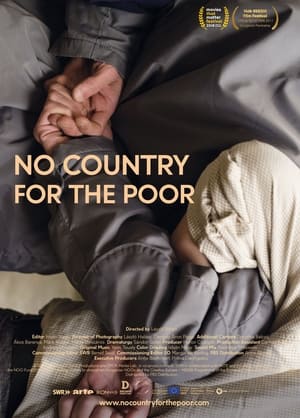
What if democracy fails citizens by not serving them all equally? What if inequality becomes the norm and the most vulnerable citizens are left behind with no money, no home, no rights, and no country of their own? In Hungary, the government has slashed social benefits and criminalized homelessness, but a group of activists, homeless and middle class, is confronting authorities to defend social justice and their right to be citizens. After the tragic death of two of its founding members, the group feels that Hungary is growing more hostile and their struggle is more important than ever. Despite all odds, their own community keeps them going—a mini-society with democracy and solidarity at its heart, an island of hope, belonging and dignity in a society gradually shifting the other way.
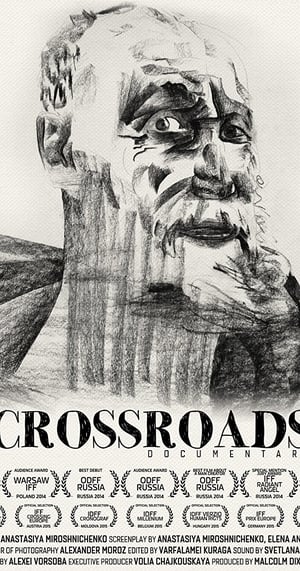
Valery Liashkevich is a homeless artist who lives at a railway station and for over twenty years has painted pictures in the streets of the town of Gomel in Belarus. For the natives he is no more than a local attraction. For art critics he is a phenomenon worth close attention.
To the group of homeless people living under a bridge in Sham Shui Po, daily life involves coping with strange stares cast by passersby and dodging the frequent raids by the government. Fortunately, a group of volunteers led by a local pastor show them there are still some who care and are willing to lend a helping hand.
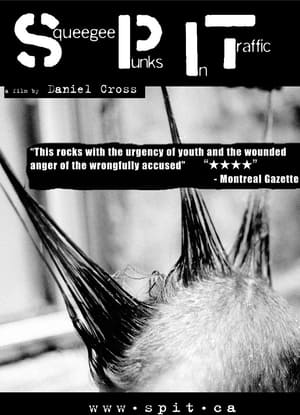
We follow Roach, a 17-year-old ex-junkie and squeegee punk living on the streets of Toronto and Montreal. As part of the filmmaking process, he's been given a camera to document his world. The footage he gets is urgent, because there's a war against squeegee kids. This documentary is from the point of view of the kids themselves, in order to provide alternative voices. Roach's camera is positioned behind "enemy" lines: living in derelict buildings, squeegeeing for money, being hunted by police.
Session
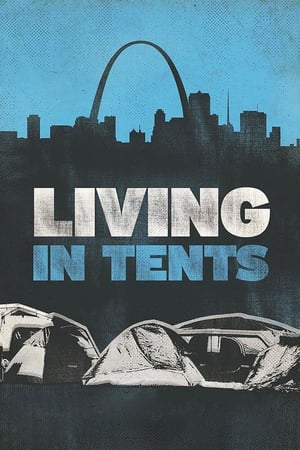
In January 2011 Paul Crane discovered a tent city in downtown St. Louis, along the Mississippi River. He was curious as to who these people were, how they ended up there, and what life was like for them each day. He initially thought he would simply go down during the day and capture footage when possible, but he quickly realized that if he wanted to truly capture how these people lived and the full reality of their collective and individual existence, he would have to be there full time and become a part of the place, so he moved in with them.
A short documentary examining the consequence of time within the fragility of memory, exposing a sense of self, trapped within materiality and fantasy. We observe Chrystalla in her safe place, her home, reflecting on her childhood, her successful beauty business in 70s Cyprus and her deeply troubled marriage. Loneliness, abandonment and regret are prevailing themes within cycles of reflection, jest and contradiction.
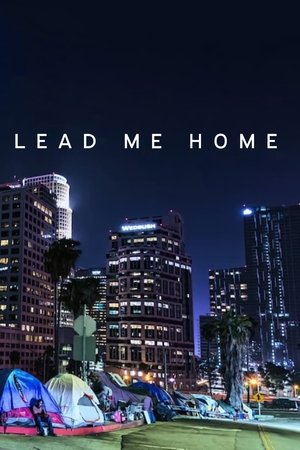
Poignant stories of homelessness on the West Coast of the US frame this cinematic portrait of a surging humanitarian crisis.
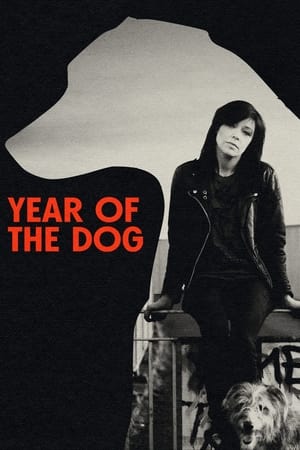
Follows musician and DJ Simone Marie Butler as she attempts to understand the life of homeless people and their dogs, and how the charity Dogs on the Street has helped them.
Through the memories of former scouts, the short film explores the mystical traditions that shaped their experiences, from the magic that captivated them in childhood to the tensions and questions that arose over time. A reflective look at the relationship between customs, identity, and generational change.
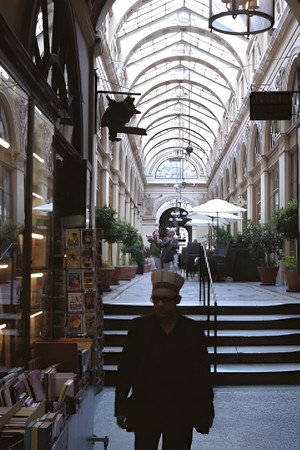
La vraie valeur des choses
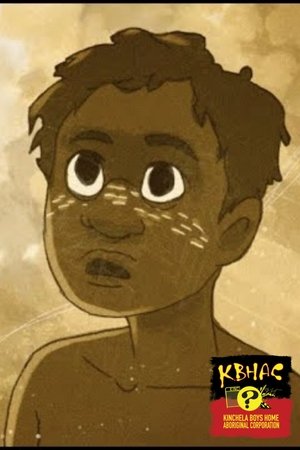
Between 1924 to 1970, Kinchela Boys Home in Kempsey, New South Wales, saw an estimated 400 to 600 Aboriginal children exposed to routine acts of cultural genocide and remains one of Australia’s most notorious institutions of the Stolen Generations. After being stolen from their families, country, and community, children were stripped of their names, given numbers, and subjected to ‘reprogramming’ and strict regimes of manual labour. We Were Just Little Boys is narrated by KBH survivors.
Uncovers the system of abuse and denial that killed a 14-year-old boy in a Florida Boot Camp.
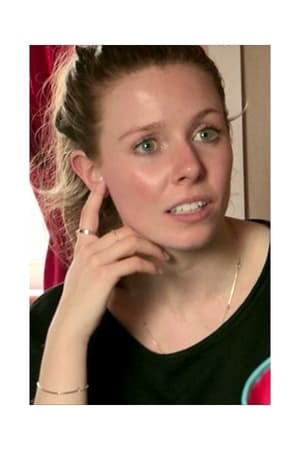
Stacey Dooley goes behind closed doors and speaks to the now younger face of domestic violence. She questions victims and abusers to try and understand how deep the issues surrounding domestic abuse are for those who have survived and those currently experiencing the abuse.