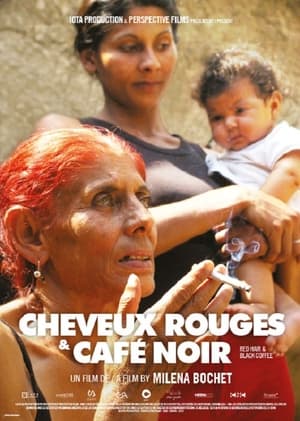
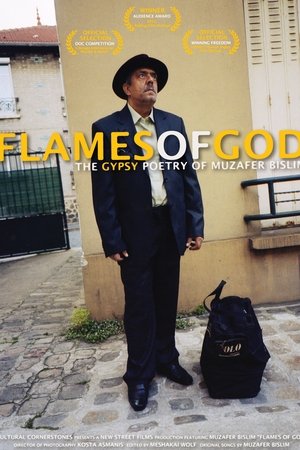
Muzafer Bislim comes up with some of his most insightful songs while sitting on the floor, recording lyrics into a cassette recorder bought at a flea market. A poet and songwriter who collaborates with the biggest names in Romani music, the 54-year old lives a life of modest means with his family in Shutka, Macedonia. Stored in the corner of his one-room house is a tottering, ceiling-high stack of handwritten, 25,000-word, multi-dialect dictionary of the oldest and most obscure words in the Romani language, which he has painstakingly collected over 35 years. When he's invited to the International Biennial of Poets held in Paris, he sees the trip as an opportunity to have his dictionary published. A testament to the endurance of a people who have been scattered across Europe, the dictionary is not only a work of art but also a rare link to a divided past.
Roma are an important part of Ukraine's population. There are quite a large number of them living in the country—between fifty and one hundred thousand. This documentary shows the peculiarities of the Gypsy people's life in modern society. You will see the stories of five Gypsy barons who will talk about the traditions of their people and reveal some secrets that were previously known only to the Roma.
Hermanovce, Slovak Republic. A Romani village located deep down in the valley, with old shacks and newer concrete ones. Four Romani women tell us about their day-to-day life through ancient habits, along with words that travel near borders with different worlds...
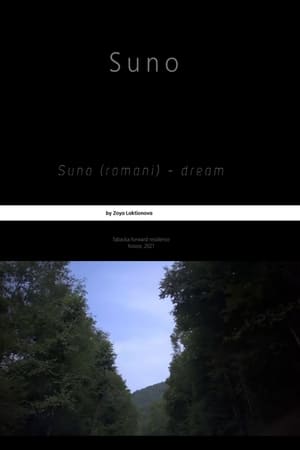
An experimental short documentary essay about the dreams of Roma women living in the ghetto in Kosice. Roma are one of the largest ethnic groups living in Slovakia. Despite this, integration into all spheres of society is difficult. And it should be noted that this applies not only to Slovakia. Luník IX houses the largest community of Romani people in Slovakia. Although originally built for 2,500 inhabitants, it is estimated that the population is now three times larger. Living standards are low, with services such as gas, water, and electricity cut off, as the majority of inhabitants are not paying rent or utilities fees.
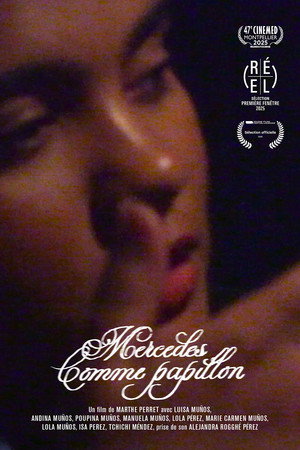
In the suburbs of Montpellier, France, in the spring of 2024, a Roma wedding celebration is about to begin. In the bedroom of a small apartment, Luisa and her cousins meet up to talk about their dreams, their traditions, and their desire for emancipation. The ritual of flamenco dancing became for Luisa a space of freedom.
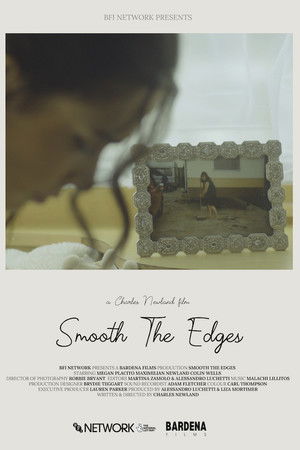
Romani filmmaker and advocate Liza Mortimer unearths her family's musical legacy in the archives of The English Folk Dance and Song Society, revealing how her great-grandmother, Minty Smith, and other Romani people played a vital role in preserving England's traditional folk songs.
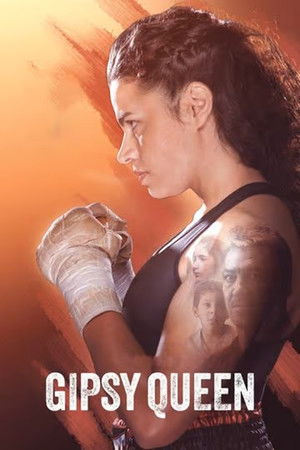
Ali, once a promising young boxer from the Romani community and the only daughter of a Romani leader, falls in disgrace when she gives birth to her second child out of wedlock.
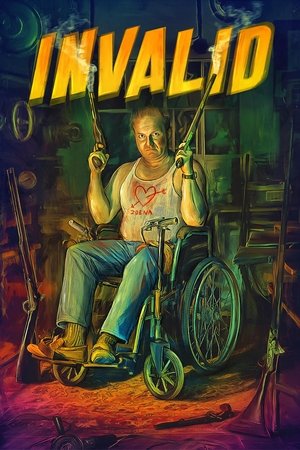
Grumpy handyman Laco loses everything to a group of mobsters. Now wheelchair-bound and with his life spiraling, it's his new friend Gabo, a local Roma who helps Laco see things with a new perspective. Revenge is sweet.
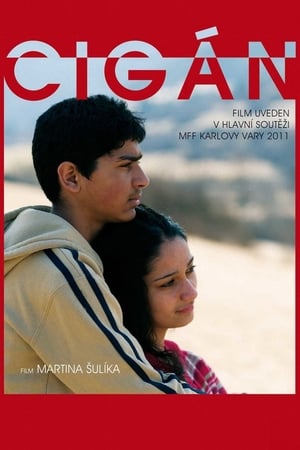
The film, dedicated to all living Romanis, tells the story of what happened after a murder committed in a Romani neighborhood.
The Adventures of a Madcap
A young woman, soon to be Gypsy bride, decides to take a stance against traditional norms and find herself a job much against the liking of her fiance. When her background becomes a burden she can’t shake, she enters her latest job interview and calls them out for their prejudice.
Explore how writers Steven Moffat and Mark Gatiss created the hit television sensation. Take a personal voyage through the versions of Holmes that have served as inspirations for the new series - the original stories, their factual origins, hundreds of film adaptations - to arrive at their thoroughly modern Sherlock. Moffat and Gatiss explain the challenges they encountered adapting the original adventures of the iconic super-sleuth. Go behind the scenes on the set of the hit television series, including interviews with actors Benedict Cumberbatch, Martin Freeman and Lara Pulver, who talk about the reinvention of their fictional characters.
Lebanese/Canadian artist Jayce Salloum and Elia Suleiman, a Palestinian filmmaker living in New York, have taken on our accumulated (mis)impressions of the Palestinian Intifada by tracing their genesis in film and television.
Keane tells it how it is.
Nazi propaganda film contrasting Germany in the days before Adolf Hitler became Chancellor with the Germany of "today" and how much better it is.
Scientologists at War examines the independent Scientology movement and the high level defectors who have publicly renounced their membership from the Church of Scientology. Marty Rathbun is one of the most senior defectors in Scientology's history. As the former Inspector General of Ethics in the organisation that was created by science fiction writer L Ron Hubbard, Rathbun worked closely with its leader, David Miscavige, and celebrity follower Tom Cruise. The film provides a rare insider view of the Church of Scientology.
The opening of the Picasso-National Museum in Paris granted a unique chance for Didier Baussy to document the precious collection in the museum in 81-minutes of film. The museum shows paintings held back by Picasso himself which have been very valuable for his connection to the world and his memories. A sensitive Analysis of these pictures dominantly from the Guernica-phase, grant a deep insight into the history of this artist and man Picasso, a geographical location of the scenes and a glimpse of his sources of inspiration.
A fascinating quest for proof of life after death -- a true-life enigma that begins with one small, odd incident and mushrooms into a huge scientific inquiry into apparent messages from the 'Other Side.'
Biography of Lachlan Macquarie and his wife, Elizabeth, who arrived to govern the colony of New South Wales in Australia in 1810. In just over a decade, the couple transformed the prison colony into a proto nation.
The story of the gold-plated statuette that became the film industry's most coveted prize, AND THE OSCAR GOES TO... traces the history of the Academy itself, which began in 1927 when Louis B. Mayer, then head of MGM, led other prominent members of the industry in forming this professional honorary organization. Two years later the Academy began bestowing awards, which were nicknamed "Oscar," and quickly came to represent the pinnacle of cinematic achievement.