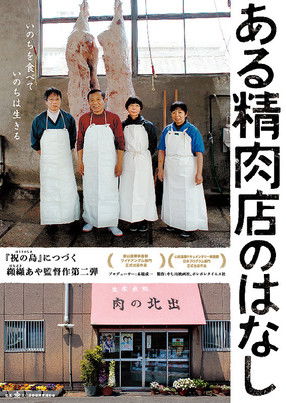
The Kitades run a butcher shop in Kaizuka City outside Osaka, raising and slaughtering cattle to sell the meat in their store. The seventh generation of their family's business, they are descendants of the buraku people, a social minority held over from the caste system abolished in the 19th century that is still subject to discrimination. As the Kitades are forced to make the difficult decision to shut down their slaughterhouse, the question posed by the film is whether doing this will also result in the deconstruction of the prejudices imposed on them. Though primarily documenting the process of their work with meticulous detail, Aya Hanabusa also touches on the Kitades' participation in the buraku liberation movement. Hanabusa's heartfelt portrait expands from the story of an old-fashioned family business competing with corporate supermarkets, toward a subtle and sophisticated critique of social exclusion and the persistence of ancient prejudices.
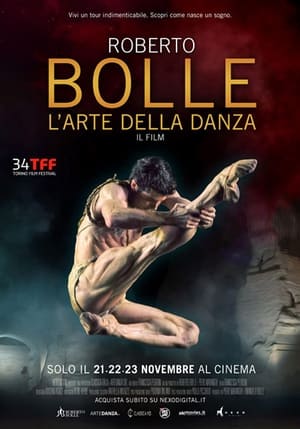
Documentary following ballet dancer Roberto Bolle and his troupe performing in Italian monuments.
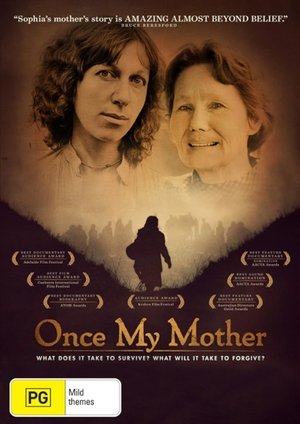
Australian filmmaker Sophia Turkiewicz investigates why her Polish mother abandoned her and uncovers the truth behind her mother's wartime escape from a Siberian gulag, leaving Sophia to confront her own capacity for forgiveness.
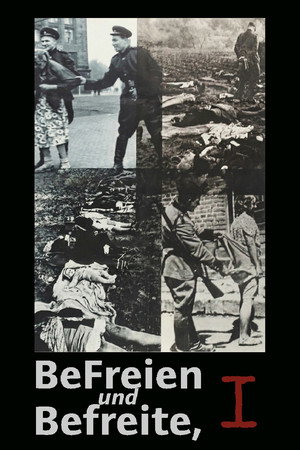
Based on years of research into the mass rapes committed by the Red Army at the end of the Second World War. In the first part of the documentary Helke Sander interviews multiple German women who were raped in Berlin by Soviet soldiers in May 1945. Most women never spoke of their experience to anyone, after 46 years of silence they talk for the first time publicly about their violent experiences that have left such a mark.
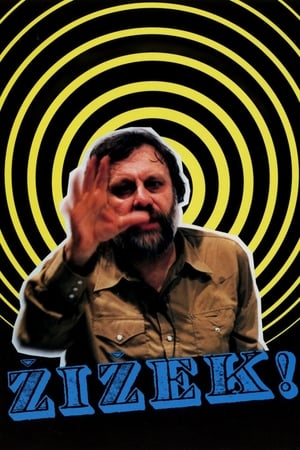
ŽIŽEK! trails the thinker as he crisscrosses the globe, racing from New York City lecture halls, through the streets of Buenos Aires, and even stopping at home in Ljubljana, Slovenia. All the while Žižek obsessively reveals the invisible workings of ideology through his unique blend of Lacanian psychoanalysis, Marxism, and critique of pop culture.
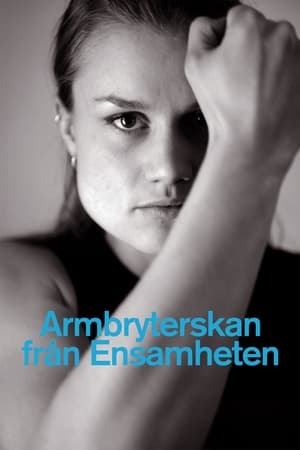
The tiny village in the far north of Sweden called Ensamheten (Solitude) has sixteen inhabitants. They all share an unusual passion - armwrestling.
Documentary about teenage mothers, their boyfriends and their babies.
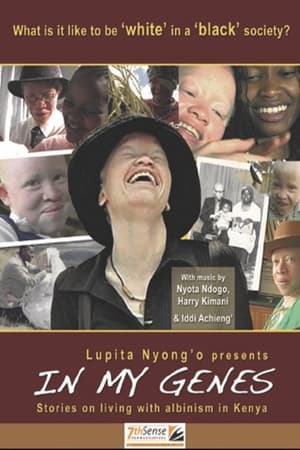
Agnes may not seem like someone with much to laugh about. For one thing, she has albinism - a lack of pigment in the skin, hair and eyes - and her appearance has provoked prejudice from family, friends and strangers since she was born. But despite all odds, Agnes refuses to lead a life of sorrow. This fascinating and inspiring documentary also shares the stories of seven other people's individual experiences of living their lives with albinism in Kenya, a predominantly black society. While each person's story is unique, they all have one thing in common: they know what it is like to stand out uncomfortably from the crowd.
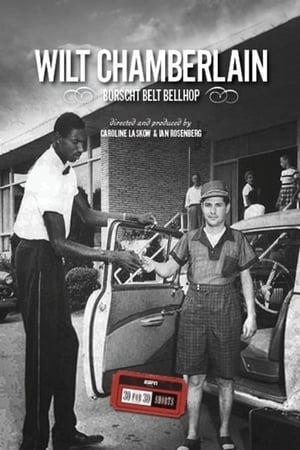
In 1954, before his senior year of high school, Wilt Chamberlain took a summer job that would change his life, working as a bellhop at Kutsher's Country Club, a Jewish resort in the Catskill Mountains. An unexplored and pivotal chapter in the life of one of basketball's greatest players, and a fascinating glimpse of a time when a very different era of basketball met the Borscht Belt in its heyday.
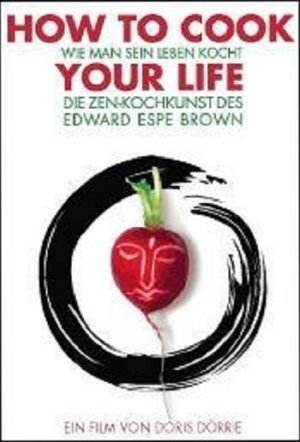
A Zen priest in San Francisco and cookbook author use Zen Buddhism and cooking to relate to everyday life.
Lucy Daniels believes that a family secret told to her as a four year-old radically impacted the trajectory of her life, and set in motion a life-long debilitating mental illness. Born into a powerful newspaper-magnate family, from an early age Lucy defined her worth by her ability to write. Despite early success, she was struck with severe anorexia and underwent brutal treatment in mental institutions, only to survive, pen her first best-seller, and ultimately win a Guggenheim Prize in literature - all before the age of 22. The first of its kind, this hybrid documentary weaves together 'relational' recreations, animated dream sequences, constructed worlds and intimate interviews to tell a worthwhile story of survival and creativity, filtered through the eyes of filmmaker and subject.
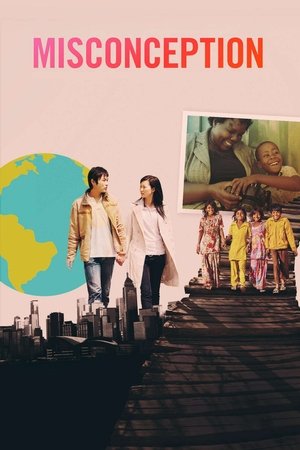
For almost 50 years, the world's population has grown at an alarming rate, raising fears about strains on the Earth's resources. But how true are these claims? Taking cues from statistics guru Hans Rosling, Misconception offers a provocative glimpse at how the world—and women in particular— are tackling a subject at once personal and global. Following three individuals, director Jessica Yu focuses on the human implications of this highly charged political issue, inspiring a fresh look at the consequences of population growth. In English, Hindi, Mandarin, and Russian with subtitles.
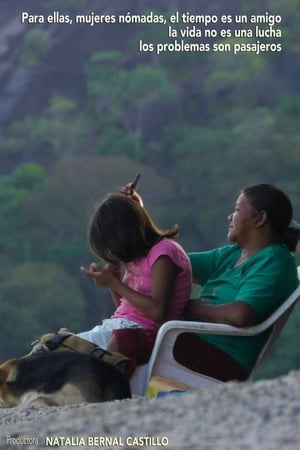
María is an Amorúa girl; an indigenous group that traveled the savannas of Orinoquía as nomads. She lives with her grandmother Matilde, her sister diana and her cousins in Puerto Carreño, in the Colombia-Venezuela border. The amorúa are considered wild and are not literate. Matilde wants her granddaughters to learn to write and read to live better in this town of "rational whites" as they call us. The director follows María's life for 8 years from her childhood to her adolescence and invites her to travel the places her grandma did as a nomad.
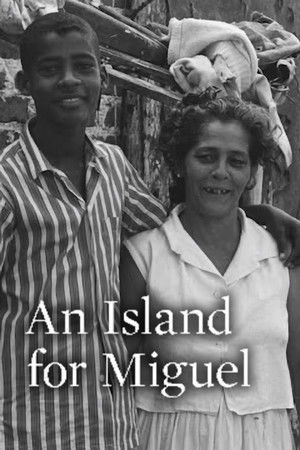
In this film, Sara Gómez documents the everyday life of the Isla de Pinos, the discussions about the problems of construction, the school and the leisure activities of the youth in 1968 and contextualizes these images with Frantz Fanon's thoughts about the construction of a nation through decolonization.
Leiden von Frauen im zweiten Weltkrieg
Kirche und Heimat
The Battle of The Alamo
Konserven für den Winter - aber nur aus dem eigenen Betrieb
Die von der Sanitätskolonne
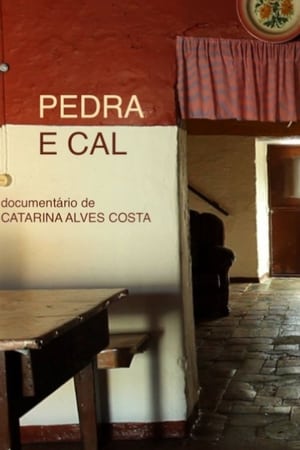
A film about rural houses in the interior of the Algarve, showing the relationship between the present and memories evoked in the intimacy of the home. Working architecture from the "social imaginary", focusing on how homes were and are lived.