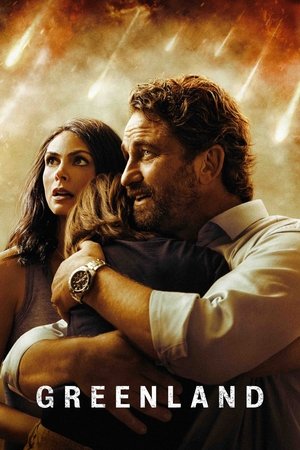
John Garrity, his estranged wife and their young son embark on a perilous journey to find sanctuary as a planet-killing comet hurtles toward Earth. Amid terrifying accounts of cities getting levelled, the Garritys experience the best and worst in humanity. As the countdown to the global apocalypse approaches zero, their incredible trek culminates in a desperate and last-minute flight to a possible safe haven.
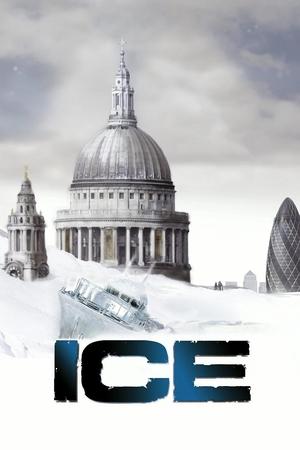
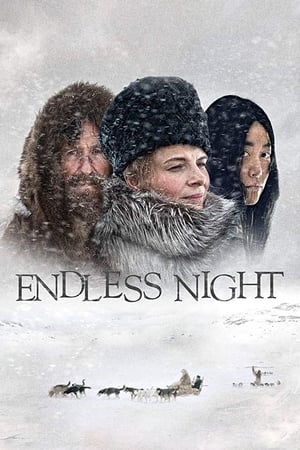
It is 2020. Findings by environmental scientist Professor Thom Archer suggest that Halo, the corporate energy company drilling on the Greenland Glacier are causing it to melt. Archer's warnings are ignored, so he heads to the Arctic to find indisputable evidence. Upon arrival, he realizes humankind is under immediate threat, and races home to save his family. The glacier collapses, with devastating consequences. Astonishing weather patterns emerge and plunge the world's temperatures into steep decline.
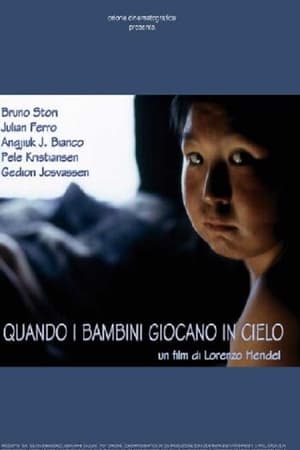
The film covers the adventures of Mio and Nukappi as they bond and grow together at the same orphanage. Their brotherhood is evident as they grow into young men being trained by the local shaman. They face their biggest enemy, Kiinappalik, who commits murder to further their cause. It is up to Nukappi, with the help of Mio, to find out what Kiinappalik wants. By facing their greatest fears, will they be able to stop Kiinappalik or be swallowed by the darkness? Sequel to Among Us - In the Land of Our Shadows.
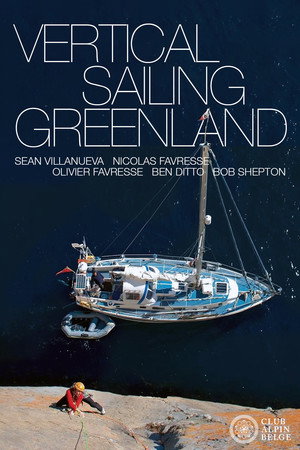
A "team of savages," as their boat captain Bob Shepton calls them, comprised of Sean Villanueva O'Driscoll, Olivier Favresse, Nicolas Favresse, and Ben Ditto, set off for Greenland to attempt a first big wall climb. Arriving in Asia by plane, they prepare the sailboat for two months of self-sufficiency. Accompanied by whales, seagulls, and icebergs, they train on various rock faces before beginning their ascent of the seemingly impossible wall. It takes them 11 days to complete the climb, braving bad weather, the rock itself, the wilderness, and three different bivouac sites—all accompanied by music, of course! The return journey is not without its challenges, as they must avoid a cyclone and cross the Atlantic to reach Oben in Scotland.
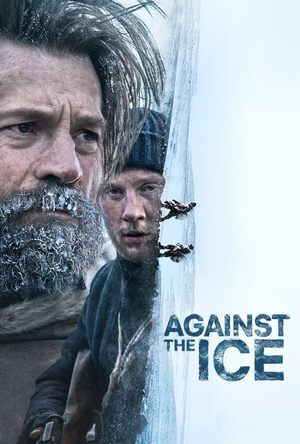
In 1909, two explorers fight to survive after they're left behind while on a Danish expedition in ice-covered Greenland.
A daring team of seven embarks on the pursuit of being the first to traverse Greenland's unexplored ice sheet.
Ellesmere Island, northern Canada, 1908. Josephine, a brave but naive woman, embarks on a dangerous journey through inhospitable regions in search of her husband, the explorer Robert Peary, who tries to find a route to the North Pole.
The film takes place in Greenland and tells us two parallel stories about two boys, one from the start of the 20th century and the other from the 21st century.
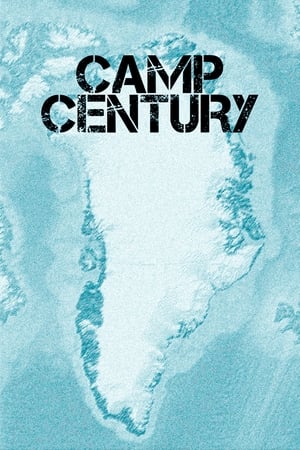
How in 1959, during the heat of the Cold War, the government of the United States decided to create a secret military base located in the far north of Greenland: Camp Century, almost a real town with roads and houses, a nuclear plant to provide power and silos to house missiles aimed at the Soviet Union.
There, Robert Peary, an American explorer, thought more than 100 years ago, that the only way for a human being to reach the North Pole would be to have children with Inuits, "to create a super-race that would combine the Eskimo strength and the shrewdness of the Westerner." Following in the footsteps of this extravagant theory, this film essay marches in search of that super-race.
Catalan adventurer and elite kayaker Aniol Serrasolses shatters boundaries on his Arctic expedition to Norway when he descends a 20m-high ice waterfall - the largest ever recorded kayak drop from a glacial waterfall. He and his team have to voyage across the arctic circle to the Svalbard archipelago in Norway to search for the elusive and temporary waterfalls. Once there, they must climb the treacherous glacial cliffs and hike for kilometers over the ice shelf to access the glacial rivers which run over the frozen cliffs and fall from the huge heights into the sea.
Greenland
Structured as a labyrinth-like game and inspired by Jorge Luis Borges, Aleph is a travelogue of experience, a dreamer's journey through the lives, experiences, stories and musings of protagonists spanning ten countries and five continents.
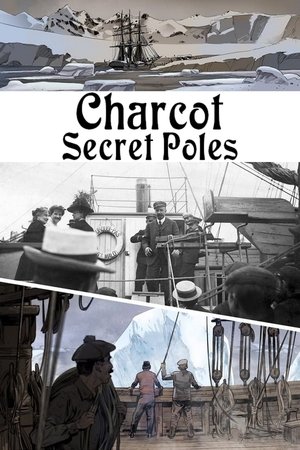
The adventures and exploits of Jean-Baptiste Charcot (1867-1936), an intrepid scientist and explorer who laid the foundations of modern oceanography.
We are Greenland: Football Is Freedom
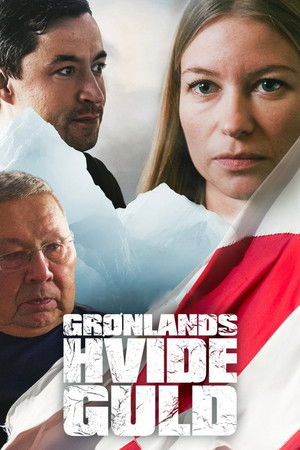
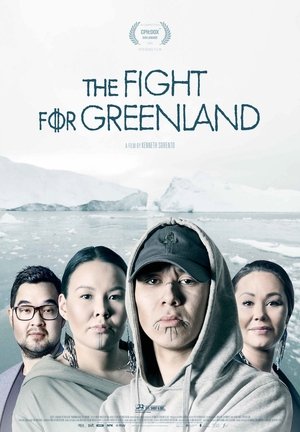
A documentary that challenges the notion of Greenland being the eternal cost for Denmark.
A young teacher, Eva Nygaard, arrives in Greenland from Denmark to surprise her fiancé, the Doctor Erik Halsøe, but is crushed to find he has not waited for her and he is about to be married to his assisting nurse. Eva travels to a small fishing village to await the next ship back to Denmark. There she enters into a tense and often confrontational relationship with Jens, a quiet moody Dane who manages a trading company outpost. Meanwhile, Jens is trying to persuade a Greenlander named Pavia to become a company fisherman, despite Pavia's fear of alienating his fellow villagers and upsetting the spirit, Qivitoq.
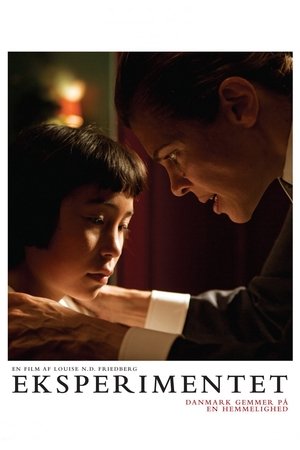
A whistle blower attempts to reveal the secret behind a nuclear disaster that occurred during the height of the Cold War.
The Danish ambassador to Washington declares himself to be the sole representative of a free Denmark during the Nazi occupation of the country.
The relationship between Greenland and Denmark is full of fantasy and myths. And these are exactly what Danish artist Lasse Lau reflects upon – and in turn documents – in his first feature-length film. But how do you give a form to the Greenlandic experience when you are an outsider yourself? Lau has created a sensitive film about authenticity and recreation by letting both elements become a part of the work, together with his performers. But also by watching and listening intently. The colonial history is entrenched in both Greenland's infinitely beautiful landscapes and in the collective consciousness. But so is the willingness to break with it and look ahead with a new political self-awareness. 'Lykkelænder' is the result of a long-term research project, but talks about its extremely complex topics in a way that grounds the postcolonial perspective in a recognisable life experience. It does so with both a sense of humour and with emphasis.