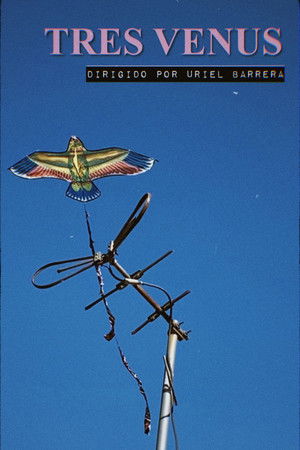
This film explores the consequences of the decisions we take and shows those things which really matter. After leaving his wife and children and promising he would be back, a man lives in a tent at a Mexico City park. There, he earns his living by selling balloons. After 30 years, he needs to fulfill his promise and return home. Will his family accept him back? Is he going to be able to change a life on the streets for the comfort of his home?
VISITAS
On September 19, 2017, at 1:14 p.m., an earthquake devastated Mexico City and its environs. Immediately, citizens mobilized to help, including the actor and youtuber Juanpa Zurita who quickly organized a group of friends that included singers, actors, content creators and other celebrities from the world of entertainment who helped him raise funds for the reconstruction of the city.
Best friends travel though Latin America meeting shamans, experimenting with plant medicines, and wondering about what makes a life well-lived when one of them might have half the time to live it.
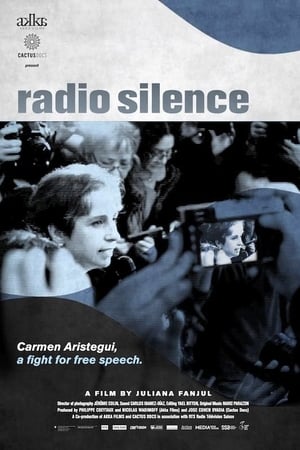
Mexico, March 2015. Carmen Aristegui, incorruptible journalist, has been fired from the radio station where she has worked for years. Supported by more than 18 million listeners, Carmen continues her fight. Her goal: raising awareness and fighting against misinformation. The film tells the story of this quest: difficult and dangerous, but essential to the health of democracy. A story in which resistance becomes a form of survival.
The bleached palette and home-movie aesthetics of Super 8 footage provide the image track for this testimonial about an illegal abortion in Mexico City in the 1960s, delivered in voiceover by the filmmaker’s mother. In its account of this intimate and disorienting memory, Lesser Choices summons a time of profound uncertainty—a moment from an era without rights—and offers a warning to the present.
The story of the recovery of the negatives of thousands of photos taken by three photographers during the Spanish Civil War that were found seventy years later in a suitcase, inside a closet in Mexico City.
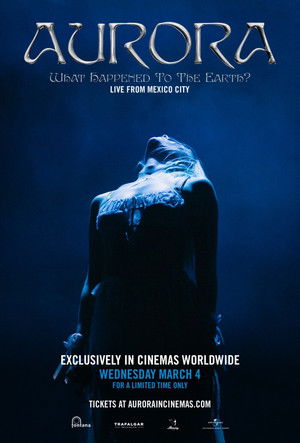
Norwegian alt-pop artist AURORA plays her biggest ever headline performance at Mexico City’s Palacio de los Deportes as part of her What Happened to the Earth? Tour. Filmed live on Dia De Los Muertos (Day of the Dead), the arena is transformed into a space of spellbinding sound and light, and filled with fans in festive dress. AURORA’s ethereal voice is ever-captivating as she sings haunting ballads including 'Dreams' and 'Exist for Love' as well as fan-favourites 'Runaway', 'The Seed' and 'Churchyard'. Known for blending electronic pop with folk and vivid storytelling, AURORA’s performances are always immersive and emotional, and this concert – celebrating nature and the human experience – solidifies her as a beacon of originality and inspiration.
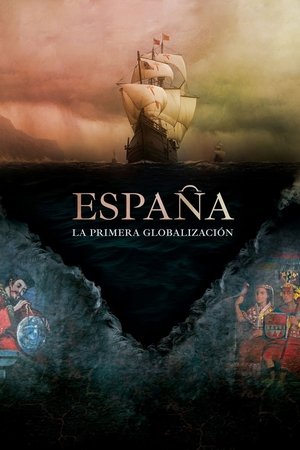
A new reading of the historical period that began with the reign of the Catholic Monarchs (1479-1516) and the discovery of America (1492), as well as an analysis of its undeniable influence on the subsequent evolution of the history of Spain and the world.
This documentary walks the line between fact and fiction, delving into corruption in the Mexican police through the experiences of two officers.
At the 1968 Mexico City Olympics, the silent protest of Tommie Smith and John Carlos changed The Games forever, becoming one of the defining images of the 20th century.
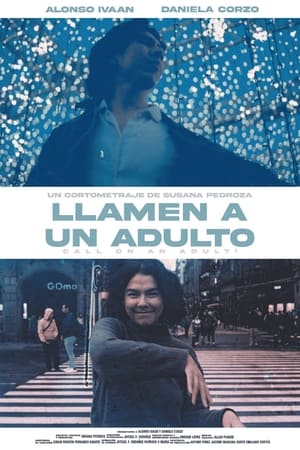
Llamen a un adulto (Sepiaexperimental)
Documentary on water usage, money, politics, the transformation of nature, and the growth of the American west, shown on PBS as a four-part miniseries.
It is a collaborative project that was developed from the documentation collected in extensive travel through four Latin American cities: Mexico City (Mexico), Buenos Aires (Argentina), La Paz (Bolivia) and Lima (Peru). The result is a new journey constructed with sound and animation. This reconstruction was made from the memories of Mexico city , from the interaction with each city and with epistolary communication.
The COVID-19 pandemic scars the citizens of Mexico City.
Carmina, a 20-year-old girl, hopes to have a night like any other in the city, which unexpectedly turns into an introspective, cathartic journey into her turbulent past when she accepts an invitation from a man much older than herself to visit his apartment. This direct film experiment captures an overwhelming real-life patriarchal dynamic.
Tribute to the workers responsible for maintaining and repairing the tracks, stations, terminals, and tunnels of the metro.
“Archeology” and “Archive” share the same roots. Both words come from “Arkhé”, the Greek word for “origin”. In the ruins of buildings, lost forever by earthquakes, as in the depth of the archives, we dig. What happened the morning of the big earthquake? The morning of September 19th 1985 is fading away in our memories. These recordings have never been seen. Unedited images of the catastrophe dug out by the archaeological adventure of an archivist that suffered with them. He dug and suffered until he could no longer see.
Documentary about the founding of Ciudad Nezahualcóyotl on the outskirts of Mexico City in the sixties.
"Zona Rosa" is a documentary about the strippers who work in the gay clubs in Mexico City's famous district, the Zona Rosa. Christian Miranda gives us a tour though his professional and personal life while working as a cage-dancer stripper at one of Mexico City's famous gay nightclubs. Along with Christian we meet other strippers, patrons of the clubs and the club mangers. The nightlife, the scene, the money and the consequences are all on display as we tour through the notorious reality that gives the Zona Rosa its name.