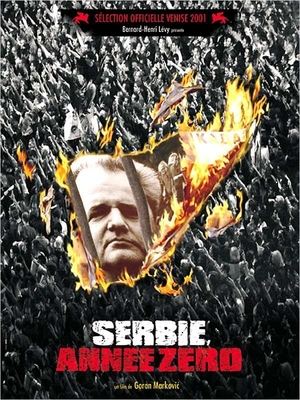
The carnage in Sarajevo provides the focus of this French documentary which seeks to call attention to the terrible conflict in the hopes of finally ending it. The film is divided into five parts. Each part covers a time frame ranging from April 4, 1992, the beginning of the war, to the present. The major issues that occur are three-fold. It depicts the systematic genocide of Bosnians, the silence of Western countries, and the determination of the Bosnians to resist. They refuse to be seen as victims, even though the filmmakers portray them so. Also included are the origins and political aspects of the war. It offers interviews with participants. It also reveals how the U.S. State Department censored reports about Serbian death camps.
Documentary film about artist Henri Matisse
Dialogue-free short detailing the daily tasks of a man and his wife.
Stylized with dramatic interiors and a distorted frame rate, this early documentary miniature from Szulkin depicts six sequences of solitary, repetitious labor.
Forty four years ago, it seemed like a good idea to build a squat, concrete motel in downtown Columbia, Missouri. But within a few years, guests were calling for a do-over. Now, with the downtrodden building’s fate sealed, the Rabid Hands artist collective arrives on the scene as hospice workers, assisting in the passing of the building’s soul. What ensues is a New Orleans-style voodoo celebration of a previously unsung piece of architecture.
Taking the form of a conversation between a young teacher at a French school in Moncton and her students, the film shows how hard it is for francophones to preserve their language in a society where English is everywhere and has been for centuries.
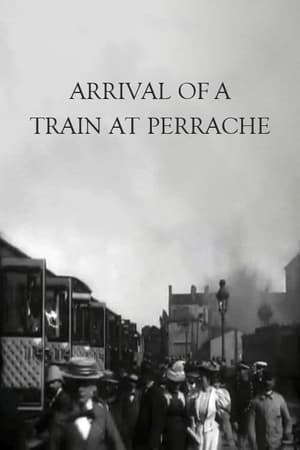
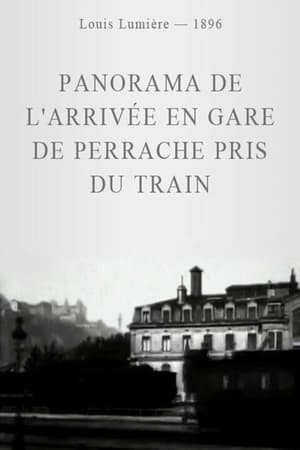
A group of people are standing along the platform of a railway station in La Ciotat, waiting for a train. One is seen coming, at some distance, and eventually stops at the platform. Doors of the railway-cars open and attendants help passengers off and on. Popular legend has it that, when this film was shown, the first-night audience fled the café in terror, fearing being run over by the "approaching" train. This legend has since been identified as promotional embellishment, though there is evidence to suggest that people were astounded at the capabilities of the Lumières' cinématographe.
"Grow a Better Dallas" is a short documentary film showcasing South Dallas' Restorative Farms, a registered non-profit offering restorative justice and urban agriculture solutions to the "food desert" problem in South Dallas. Restorative Farms offers the ability for rehabilitation and therapeutic solutions to individuals with criminal backgrounds to come and contribute as employees to the farm. Restorative Farms was co-founded by Tyrone Day, who was falsely incarcerated for over 26 years.
Filmmaker Alain Resnais documents the atrocities behind the walls of Hitler's concentration camps.
Sean Dunne's observational documentary of a 2016 Donald Trump Rally.
Documentary featuring interviews with several of legendary Spanish director Luis Buñuel’s close friends and collaborators.
The Moroccan Labyrinth
A lyrical recreation of Lightnin’ Hopkins’ decision at age eight to stop chopping cotton and start singing for a living. Preserved by the Academy Film Archive in 2013.
Arne Sucksdorff: Uma Vida Documentando a Vida
French documentarist Sonia Kronlund follows actor and director Salim Shaheen, an Afghan movie star who produced more than 110 low-budget movies in a country devastated by war.
Cautivos en la arena
Compilation of images of the amateur recordings of Madronita Andreu, Catalan intellectual of the nineteenth century, daughter of Dr. Andreu, famous for its pills and cough syrup.
A behind-the-scenes look at "Viagens", one of the greatest portuguese records of the 1990s, in the year of its 20th anniversary.
Documentary about a boy living with his family in extreme poverty in Rio de Janeiro.
An exploration —manipulated and staged— of life in Las Hurdes, in the province of Cáceres, in Extremadura, Spain, as it was in 1932. Insalubrity, misery and lack of opportunities provoke the emigration of young people and the solitude of those who remain in the desolation of one of the poorest and least developed Spanish regions at that time.