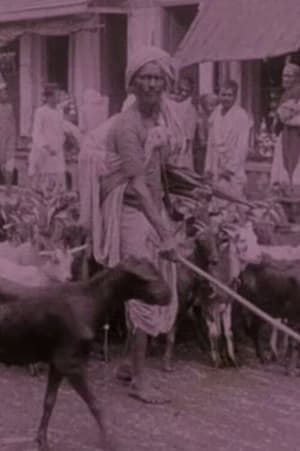
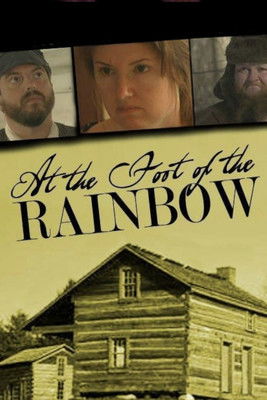
A strange story from Somerset, England about a filmmaking farmer and the inspiring legacy of his long-lost home movies.
Farm families in Lestock, Saskatchewan, have pooled their resources so that rising operating costs will not drive them off their land. By pooling their land, their equipment, their livestock, and farming as a cooperative, they are able to live as they choose, to maintain their standard of living, and even to have some spare time left over to enjoy. An engaging look at a novel approach to big-scale farming.
Enduring 28 days of relentless construction labor, Frank struggles to prep a house for painting amidst Phoenix's scorching pandemic summer.
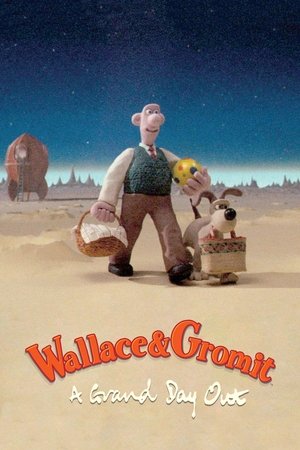
Wallace and Gromit have run out of cheese, and this provides an excellent excuse for the duo to take their holiday to the moon, where, as everyone knows, there is ample cheese. Preserved by the Academy Film Archive.
The people and their labor are bound to the land in the cycle of activities to the sowing to the harvesting of wheat. Without narration or subtitles, the film conveys a sense of unity between the people and the land. Filmed in the Balkh Province, an area inhabited by Tajik and other Central Asian peoples. The town of Aq Kupruk is approximately 320 miles northwest of Kabul. The theme of the film focuses on rural economics. The film and accompaning instructor notes focus on herding, and fishing under diverse environmental conditions. The impact of technological change, human adaptation, and governmental extension of market systems are parallel themes.
For centuries, rice farmers on the island of Bali have taken great care not to offend Dewi Danu, the water goddess who dwells in the crater lake near the peak of Batur volcano. Through an analysis of ritual, resource management practices (planting schedules, irrigation vs. conservation, etc) and social organization, anthropologist Steve Lansing and ecologist James Kremer discover the intricacy and sustainability of this ancient water management agricultural system.
America's policy of producing cheap food at all costs has long hobbled small independent farmers, ranchers, and chefs. Worried for their survival, trailblazing food writer Ruth Reichl reaches out across political and social divides to uncover the country's broken food system and the innovators risking it all to transform it.
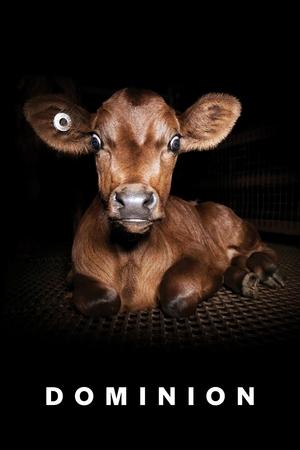
Exposing the dark underbelly of modern animal agriculture through drones, hidden & handheld cameras, the feature-length film explores the morality and validity of our dominion over the animal kingdom.
Marx hört auf
MAXIMÓN - Devil or Saint is a documentary about the controversial Maya deity, also known as San Simon or the drinking and smoking saint of Guatemala. He is a mixture of ancient Maya beliefs and Christianity. The movie concentrates on the people who surround Maximón with their strong personalities, opinions and faith. The documentary gives us a rare view into the rituals and fiestas honoring Maximón. The cult of Maximón is flourishing because he performs miracles. He is also feared and despised because he is used to cast curses that can result in death. Ultimately, Maximón transcends the duality of good and evil, reflecting the Maya cosmovision in which everything in the universe co-exists.
Fromages de montagne, au sommet du gout ?
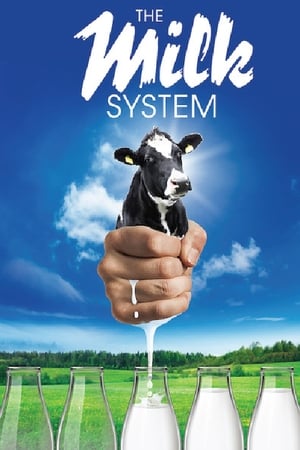
Milk is Big Business. Behind the innocent appearances of the white stuff lies a multi-billion euro industry, which perhaps isn't so innocent…
Heidi is orphaned and her uncaring maternal Aunt Dete takes her to the mountains to live with her reclusive, grumpy paternal grandfather, Adolph Kramer. Heidi brings her grandfather back into mountain society through her sweet ways and sheer love. When Dete later returns and steals Heidi away to become the companion of a rich man's wheelchair-bound daughter, the grandfather is heartsick to discover his little girl missing and immediately sets out to get her back.
A joyous Guatemalan film about the magic and charm of puppetry. This documentary follows the charismatic artists as they make their puppets and perform. Both humorous and socially aware, their themes are drawn from classic stories, local legends and history.
A look at man's relationship with Dirt. Dirt has given us food, shelter, fuel, medicine, ceramics, flowers, cosmetics and color --everything needed for our survival. For most of the last ten thousand years we humans understood our intimate bond with dirt and the rest of nature. We took care of the soils that took care of us. But, over time, we lost that connection. We turned dirt into something "dirty." In doing so, we transform the skin of the earth into a hellish and dangerous landscape for all life on earth. A millennial shift in consciousness about the environment offers a beacon of hope - and practical solutions.
That smelly, pale yellow liquid that people flush down the toilet every day is an industrial fertilizer, a diagnostic tool, a medicine, a renewable energy resource; it is an inexhaustible substance that is produced daily in huge quantities. This is the golden story of urine.
Claudia Paz y Paz is the head of the Guatemalan Public Prosecutor’s Office. We follow her during her four-year mandate as the Attorney General of one of the world’s most dangerous countries. This documentary closely observes her attempts to break the downward spiral of a society where drug cartels, corruption and violence have become part of daily life. She manages to improve the country’s safety and justice issues but is met with much resistance. Her commitment to the rule of law is her strength as well as her destiny. At what price do four years of service as the Attorney General of Guatemala’s murder paradise come?
'I found a nice place. I wanted to share it.'
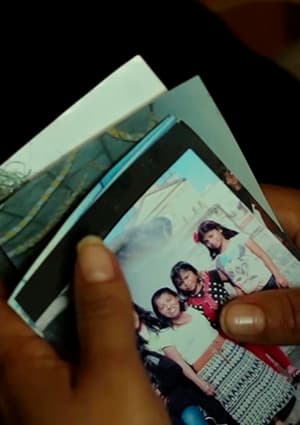
From the shadows of a Guatemalan neighbourhood scared into silence, two sisters lead a luminous rebellion—unleashing joy, art, and radical truth in a fight for survival.
Chocolate of Peace depicts the Peace Community of San José de Apartadó's experiences of resistance, via a journey through their processes of organic chocolate production. From the seed to the product, the cacao is the narrative thread that takes us through the Community's stories of violence and resilience, and their fight to remain neutral in the face of the Colombian armed conflict. This film offers a panorama of hope, proof that despite great difficulties it is possible to sow peace through human and economic relationships. It invites us to rethink our relationship with food, to value the efforts of those who produce it, and to build bridges between the victims of the armed conflict and other sectors of global civil society.