Told in the cinematic tradition of classic westerns, “COWBOYS - A Documentary Portrait” is a feature-length film that gives viewers the opportunity to ride alongside modern working cowboys on some of America's largest and most remote cattle ranches. The movie documents the lives of the men and women working on these "big outfit" ranches - some of which are over one million acres - and still require full crews of horseback mounted workers to tend large herds of cattle. Narrated through first-hand accounts from the cowboys themselves, the story is steeped in authenticity and explores the rewards and hardships of a celebrated but misunderstood way of life, including the challenges that lie ahead for the cowboys critical to providing the world's supply of beef. “COWBOYS” was filmed on eight of the nation’s largest cattle ranches across ten states in the American West.
"Losing The West" is a documentary film that promotes small ranching and farming, as told through the eyes of a 70-year-old Native American cowboy. The film was shot primarily in Colorado. The director was born in Denver and owns a small ranch near Ridgway, Colorado.
Yellowtail is the story of a young Native American cowboy searching for meaning as his chaotic lifestyle begins to wear on him both physically and mentally. To find his purpose the young man has to reflect on his upbringing as a native to become the spiritually connect man he was meant to be.
The Beach Boys - California Surfin
Riding Giants is story about big wave surfers who have become heroes and legends in their sport. Directed by the skateboard guru Stacy Peralta.
Narrated by Queen Latifah, this documentary follows Elsie, a black Labrador mix, and her struggled to raise her puppies on the streets of Los Angeles.
Puente de la Costa Sur, winner of the San Francisco Foundation 2004 Community Leadership Awards (John R. May Award) - for its creative, grassroots efforts to provide education, social justice advocacy, direct services, and community connections enabling immigrant men in rural San Mateo County to improve their living and working conditions
Arabella Martinez, winner of the San Francisco Foundation 2005 Community Leadership Awards (The San Francisco Foundation Award), was recognized for her commitment to building culturally relevant services and resources necessary for strong and vibrant communities, and for her outstanding contributions to Oakland’s Fruitvale district and the creation of the Fruitvale Transit Village.
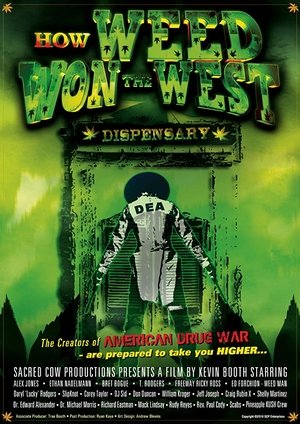
While California is going bankrupt, one business is booming. "How Weed Won the West" is the story of the growing medical cannabis / marijuana industry in the greater Los Angeles area, with over 700 dispensaries doling out the buds. As a treatment for a wide range of conditions, cannabis is quickly proving itself as a healthier natural alternative to many prescription drugs.
A documentary exploring the importance of revival cinema and 35mm exhibition - seen through the lens of the patrons of the New Beverly Cinema - a unique and independent revival cinema in Los Angeles.
RODEO ROAD explores the unique cowboy culture of Australia's remote north west in the pursuit of the rodeo dream - eight seconds of bull riding glory. Each year cowboys from across the Kimberley load up their saddles, chaps and wranglers and go rough-riding. Some are born and bred in the saddle, while others are young ringers from over east who come to muster through the dry season. Come rodeo time they are chasing the dream, gripped by the rodeo fever of the wild north west.
On November 8, 2018, a spark flew in the Sierra Nevada foothills, igniting the most destructive wildfire in California history and decimating the town of Paradise. Unfolding during the year after the fire, this is the story of the Paradise community as they begin to rebuild their lives.
Exploring the rise and fall of the groundbreaking animated series Ren & Stimpy and its controversial creator, John Kricfalusi, through archival footage, show artwork and interviews with the artists, actors and executives behind the show.
A description and enactment of the discovery of gold by James Marshall, and the role played by John Sutter. Preserved by the Academy Film Archive.
The dream of living like the cowboy in a movie can become a reality in fiction, until the smoke of a cigarette recalls the ghosts of days gone by.
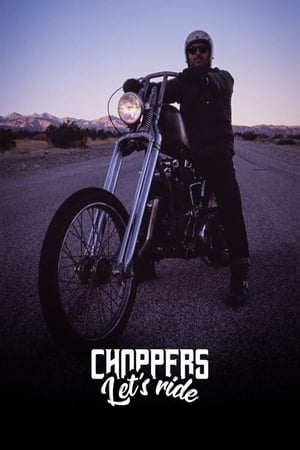
Choppers, let's ride
For decades, Barbara Dane lent her stellar singing voice to social-justice movements in the Bay Area and beyond, garnering an impressive FBI file along the way. Deeply respected by fellow luminaries in folk, blues and jazz, Dane built a far-reaching legacy with music, activism, and love. As Maureen Gosling’s celebratory portrait reveals, early solidarity with those suffering racial and economic injustice sparked Dane’s passion to use her talent to sustain marginalized people. Rather than chase stardom, she followed her own maternal instincts to root herself and her family among generations of activist performers. Bonnie Raitt, Jane Fonda and other notables attest to Dane’s unique way of shaping and being shaped by tumultuous social revolutions from the 1950s on. Nearing 90, Dane triumphantly tours with piano virtuoso Tammy Hall to celebrate a life of staying awake and connected, true to her ideals. One star among many illuminates so much.
Explore the 1928 collapse of the St. Francis Dam, the second deadliest disaster in California history. A colossal engineering and human failure, the dam was built by William Mulholland, a self-taught engineer who ensured the growth of Los Angeles by bringing the city water via aqueduct. The catastrophe killed more than 400 people and destroyed millions of dollars of property.
"I especially hope to inspire young women, because I often feel like so much emphasis is put on how beautiful you are, and how thin you are, and not a lot of emphasis is put on what you can do and how smart you are. I'd like to change the emphasis of what's important when looking at a woman." Filmed in San Francisco in 2000, Margaret Kilgallen (1967-2001) discusses the female figures she incorporated into many of her paintings and graffiti tags. Loosely based on women she discovered while listening to folk records, watching buck dance videos, or reading about the history of swimming, Kilgallen painted her heroines to inspire others and to change how society looks at women. Three of Kilgallen's heroines—Matokie Slaughter, Algia Mae Hinton, and Fanny Durack—are shown and heard through archival recordings. Kilgallen is shown tagging train cars with her husband, artist Barry McGee, in a Bay Area rail yard and painting in her studio at UC Berkeley (source: Art21).
Once hunted to extinction, the California Grizzly survives only as a symbol, frozen on the state flag, waving over the land it once roamed. A century later, will California bring back its lost icon or leave it in myth?