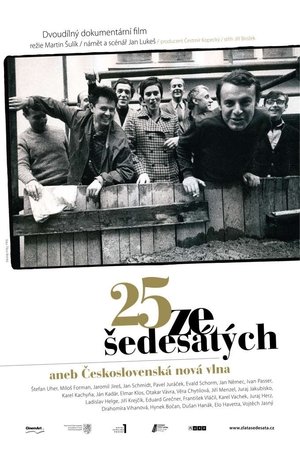
Two-part documentary about the Czechoslovak "New Wave" in the '60s, including interviews with directors, actors, and others involved in the industry at the time.
Television series Golden Sixties examines new insights into Czech and Slovak cinema of the 1960s and the role of the Czechoslovak New Wave. Each episode focuses on a different filmmaker.
Mistři českého animovaného filmu
Kde bydlely princezny
These blockbusters brought us together and gave us the time of our lives. Meet the actors, directors and industry insiders who made them happen.
Running for seven weeks from July 2007, each week focused on a different genre, examining British film by genre. Presented by Jessica Stevenson the series featured over 200 exclusive interviews with leading actors and directors including Sir Michael Caine, Sir Anthony Hopkins and Kate Winslet.
Pokračování příště
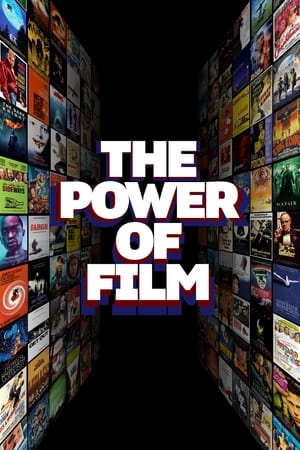
Dive deep into the art of storytelling by examining the defining principles and inner workings of the greatest classic films from the past century.
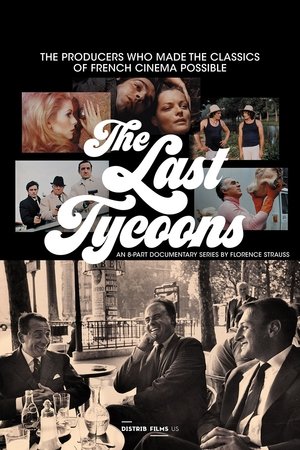
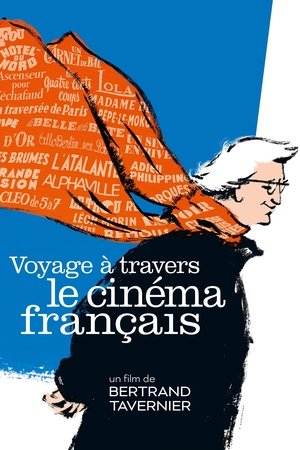
An eight-part series on the history of French cinema from the postwar era to New Wave and beyond. Unearths the stories behind the films’ creation through live and archival interviews with the producers of the films in the series, as well as colleagues, family members, and experts on French cinema. Interlaced throughout is footage from a wealth of classic French films.
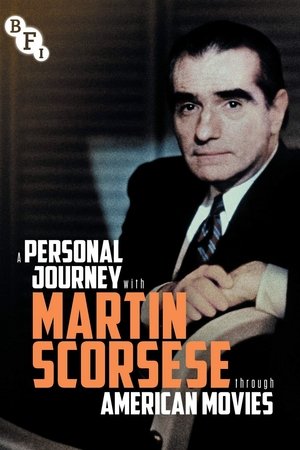
Filmmaker Martin Scorsese celebrates US movies from the silent classics to the Hollywood of the seventies.
A journey through the 1980s sci-fi films, exploring the impact and relevance they had and still hold today, as told by the artists that made them as well as those inspired by their works.
In the sixties, Swedish filmmaker Ingmar Bergman (1918-2007) built a house on the remote island of Fårö, located in the Baltic Sea, and left Stockholm to live there. When he died, the house was preserved. A group of very special film buffs, came from all over the world, travel to Fårö in search of the genius and his legacy. (Released in 2013, edited and abridged, as Trespassing Bergman.)
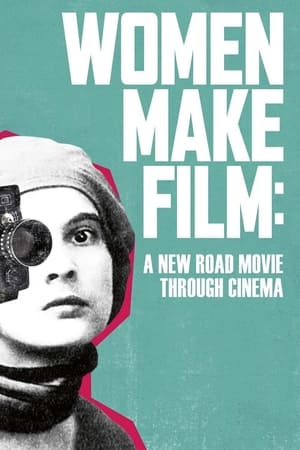
As told through clips from 183 female directors, this epic history of the cinema focuses on women's integral role in the development of film art. Using almost a thousand film extracts from thirteen decades and five continents, Mark Cousins asks how films are made, shot and edited; how stories are shaped and how movies depict life, love, politics, humour and death, all through the compelling lens of some of the world's greatest filmmakers -- all of them women.
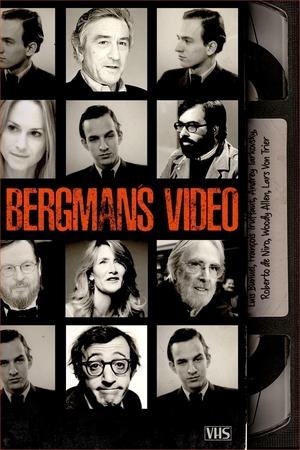
The desolate and mysterious island of Fårö, Sweden, Baltic Sea, 2004. Swedish master filmmaker Ingmar Bergman (1918-2007) looks back on his personal and artistic life; a journey through more than sixty years devoted to film, plays and television programs. (Released in 2006, edited and abridged, as Bergman Island.)
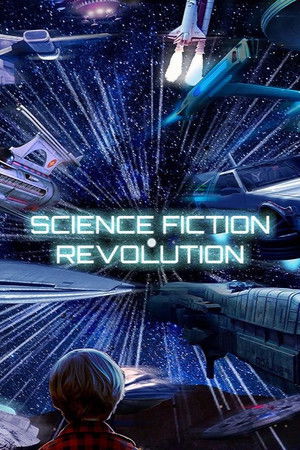
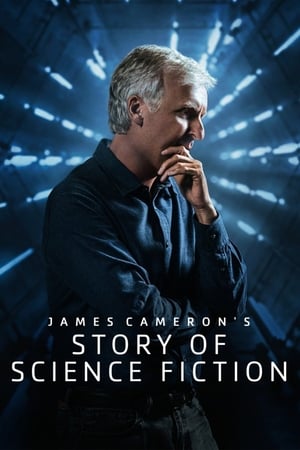
Explore the evolution of sci-fi from its origins as a small genre with a cult following to the blockbuster pop-cultural phenomenon we know today. In each episode, James Cameron introduces one of the “Big Questions” that humankind has contemplated throughout the ages and reaches back into sci-fi’s past to better understand how our favorite films, TV shows, books, and video games were born.
My Journey Through French Cinema (2017), Bertrand Tavernier’s César-nominated three-and-a-half-hour tour through French film history, was too short to introduce audiences to all that he wanted to share. In this new eight-part series (8x55min), the acclaimed director of such films as Coup de Torchon and ‘Round Midnight guides us through a roster of filmmakers both influential and forgotten, explores how his country’s cinema was shaped by the German occupation and changed again through the New Wave, spotlights little-known female filmmakers, and more. Subjects include: René Clément, Henri-Georges Clouzot, Julien Duvivier, Henri Decoin, Claude Autant-Lara, as well as composers who made movie music an art in and of itself, far from the Hollywood spotlight.
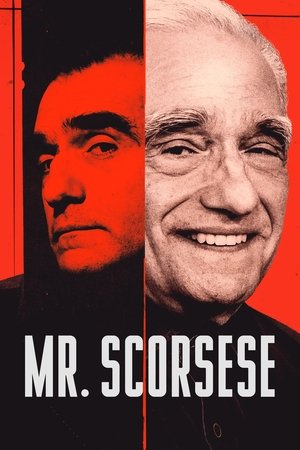
Explore the many lives of Martin Scorsese through intimate interviews with the man himself, access to his private archives, plus conversations with Robert De Niro, Leonardo DiCaprio, Margot Robbie, Daniel Day-Lewis, Steven Spielberg, and more.
Experience nature's art as filmmaker Louie Schwartzberg highlights the beauty that lurks in oceans, forests, deserts and flowers.
The ups-and-downs of daily life as a helicopter pilot in Sept-Iles, north of Quebec.
See the sparks of today's conflicts in yesterday's explosive wars. ITN British News cameras capture military tactics and warfare that is frighteningly relevant today. Disc 1: Korea & The Vietnam War - In June 1950, North Korean troops invaded South Korea, and the Korean War was ignited. Featuring remarkable battlefield and combat footage of offensives at Pork Chop Hill, the Choisin Reservoir, Heartbreak Ridge and more. The Vietnam War was fought for the defense of democracy. Ten long years of vicious combat -- including the Tet Offensive and bloodshed at Hue and Saigon --permanently embedded the Vietnam War in the American consciousness. Disc 2: The Six Day War & Yom Kippur War - Arab nations united in antagonism with the goal of wiping Israel off of the map during the Six Day War. In one of the largest battles in the history of armored warfare, Israel devastatingly demonstrated its military might. In 1973, border conflicts arose again in the Middle East. Egypt and Syria coordinated a surprise attack on Israel, who mobilized troops, technology and tactics with speed and precision. Disc 3: Iran/Iraq & Russia in Afghanistan - Iraqi troops stormed Iran in 1980, expecting an easy victory. The Iranians rallied, however, using their much-larger population, and were able to push the invaders out. In 1979, the Soviets had ill-suited uniforms and inferior fighting tactics, and found it impossible to defeat the popular Afghan guerrilla army. They had underestimated their enemy and lacked the forces to win. Disc 4: Falklands & Lebanon - The battle between the UK and Argentina over claims to the Falkland Islands systematically merged weapons technology of air, sea and ground. An Argentinean invasion yielded a bombardment of speed, weaponry and destruction. In 1982, the Lebanon-based Palestinian Liberation Organization began infiltrating Israeli borders with attacks that brought swift and powerful reprisals. Massive artillery and mortar attacks were traded across the border. Disc 5: The Persian Gulf War - Iraqs 1990 invasion of Kuwait resulted in more than one million troops facing off against each other in the desert of the Persian Gulf. The Allied Coalitions air war, known as Operation Desert Storm, involved the most sophisticated technological weaponry available. The ground war was known as Operation Desert Saber utilized ground systems including the impressive M1A1 Abrams and the M1M-104 Patriot and demonstrated the precision of American military maneuverability. Disc 6: Terrorism & Special Forces - When the Middle East adapted the IRA car bomb into the suicide bomb, the very nature of terrorism changed. Hi-jacking, violent raids and the taking of hostages became the standards of unfair play. From WWII to the present, witness the daring heroics of Britains SAS (Special Air Service) and SBS (Special Boat Service), and meet Americas Delta Force.