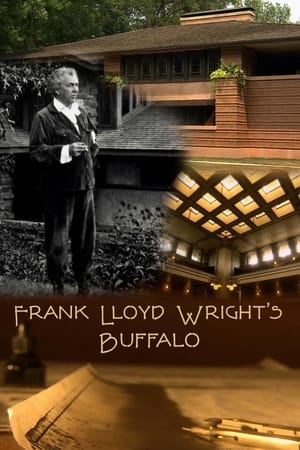
In Buffalo, N.Y., some of the greatest works of American architecture relay a remarkable story that resonates with the universal themes of home, family and friendship. The charismatic Frank Lloyd Wright, destined to become America’s greatest architect, called Darwin Martin, an unassuming, wealthy businessman from Buffalo, his “best friend.” Frank Lloyd Wright’s Buffalo reveals how Martin’s three decades of support fostered Wright’s career and led to some of the architect’s renowned masterpieces—the Larkin Administration Building, the Darwin Martin Estates and the Martin summer home, Graycliff—all in Buffalo, New York.
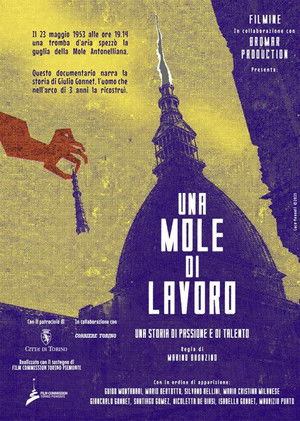
The incredible story of the reconstruction, after the collapse caused by a storm in 1953, of the spire of the Mole Antonelliana, monument and symbol of the city of Turin, Italy.
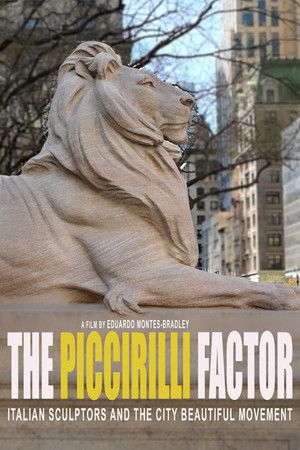
The Piccirilli family settled in New York City and started the largest and most prolific marble carving studio in America. For nearly 50 years, Piccirilli sculptors helped shape the architectural landscapes of Washington and New York through hundreds of monuments, memorials, and artworks, many of which are preserved in museums and private collections.
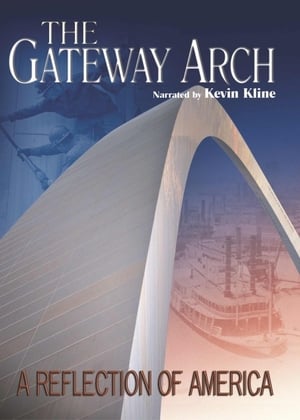
The Gateway Arch: A Reflection of America chronicles for the first time the complete story of this great American symbol… from Thomas Jefferson, Lewis & Clark, and St. Louis’ role in westward expansion; to the eventual construction of the largest stainless steel structure in history.
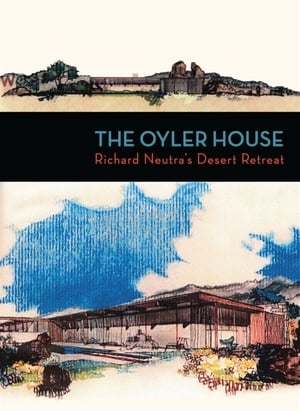
In 1959, a government employee named Richard Oyler, living in the tiny desert town of Lone Pine, California, asked world-famous modern architect Richard Neutra to design his modest family home. To Oyler's surprise, Neutra agreed. Thus began an unlikely friendship that led to the design and construction of an iconic mid-century modern masterpiece.
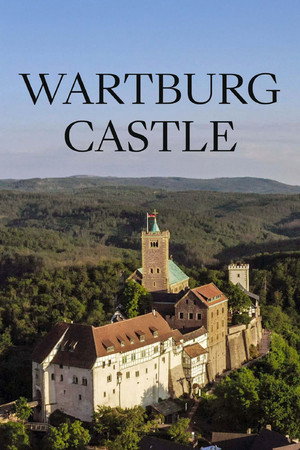
Wartburg Castle has towered majestically over the Thuringian Forest for almost a thousand years. The medieval building is a living testimony to Germany's complex history - and is a symbol of freedom, power and culture. This documentary explores its long and eventful history.
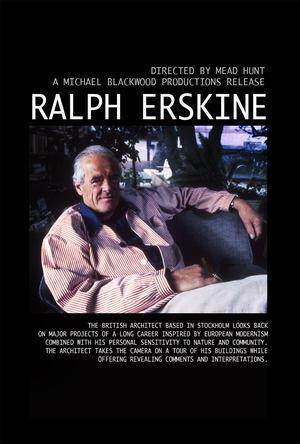
The British architect based in Stockholm looks back on major projects of a long career inspired by European Modernism combined with his personal sensitivity to nature and community. Erskine is especially valued for his vital understanding of social interaction, exemplified in commissions for universities and housing complexes built from Scandinavia to Italy. The architect takes the camera on a tour of his buildings while offering revealing comments and interpretations.
Bardejov
Minimalist documentary by Rax Rinnekangas about the wooden cottage "La Cabanon" designed and built in 1952 by Swiss architect and furniture designer Le Corbusier - a refuge intended for a single person with a living space of only 3.66 x 3.66 meters. The construction followed Corbusier's maxim that architecture must adapt to the human body and not vice versa.
Kamenná sláva
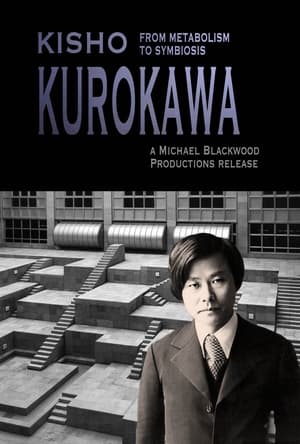
A portrait of the internationally acclaimed Japanese architect who employs Buddhist ideas and western modernism to achieve intercultural architecture.
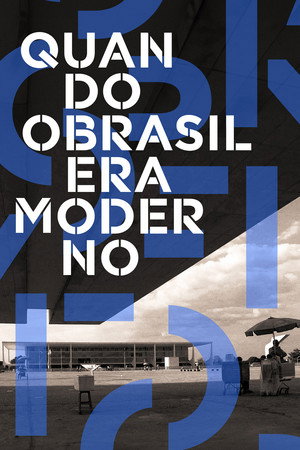
Brazilian architecture in the 20th century influenced generations of architects worldwide. But there was a time when choosing an architectural style also meant choosing a vision for the country, amidst political power struggles.
A cultural-historical portrait of the renowned and enigmatic architect Sigurd Lewerentz, who rarely allowed himself to be captured on film.
A vacant theater still has “screenings” of its own: apparitions that come to life on a curved screen without anyone to see them, creating spectacular scenes without any projectors at all.
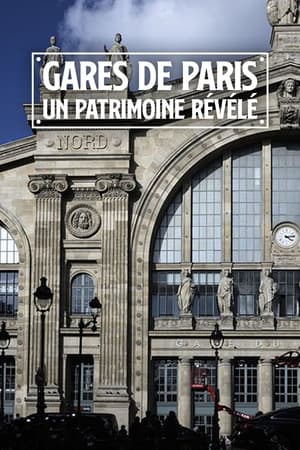
Every day, Paris’ six railway stations welcome over 3,000 trains and more than a million travelers coming from France and all over Europe. The stations’ sizes are impressive: Gare du Nord is bigger than the Louvre or Notre-Dame de Paris. These railway stations are architectural landmarks and a model of urban planning despite the radical changes they’ve undergone since their construction in the middle of the 19th century. How did the railway stations manage to absorb the boom of travelers in just a few decades? What colossal works were necessary to erect and then modify these now essential buildings? From the monumental glass walls of Gare du Nord to the iconic tower of Gare de Lyon, to the first-ever all-electric train station, each has its own story, technical characteristics, and well-defined urban image.
This documentary provides an astonishing journey through innovative, futuristic, utopian and sometimes bizarre architecture projects—including concrete illusions of grandeur and Lego-like modular apartments to an Instant City Airship and round, grass-covered subterranean dwellings—from the beginning of the 20th century to today.
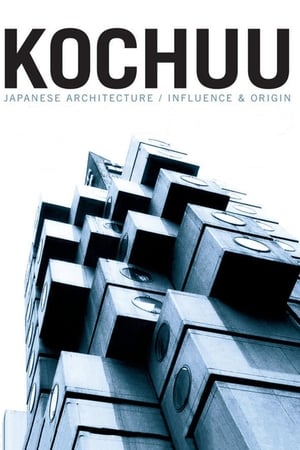
A film about modern Japanese architecture, its roots in the Japanese tradition and its impact on the Nordic building-tradition. Winding its way through visions of the future, traditions, nature, concrete, gardens and high-tech, KOCHUU tells us how contemporary Japanese architects strive to unite the ways of modern man with the old philosophies in astounding constructions. Interviews with, and works by, Japanese architects Tadad Ando, Kisho Kurokawa, Toyo Ito and Kazuo Shinohara and Scandinavian architects Sverre Fehn, Kristian Gullichsen and Juhani Pallasmaa.
Regular or Super is a fascinating and informative introduction to the work of Mies van der Rohe (1886–1969), one of the 20th century's most influential architects, and a thought-provoking demonstration of the social and artistic contributions that architecture at its best can make to our urban environments
The award-winning feature-length documentary about the revolutionary and brilliant Chicago architect Louis Sullivan (1856-1924). Known by historians as the 'father of the skyscraper' and creator of the iconic phrase 'form follows function,' Sullivan was on top of his profession in 1890. Then a series of setbacks plunged him into destitute obscurity from which he never recovered. Yet his persistent belief in the power of his ideas created some of America's most beautiful buildings ever created, and inspired Sullivan's protégé, Frank Lloyd Wright, to fulfill his own dream of a truly American style of architecture.
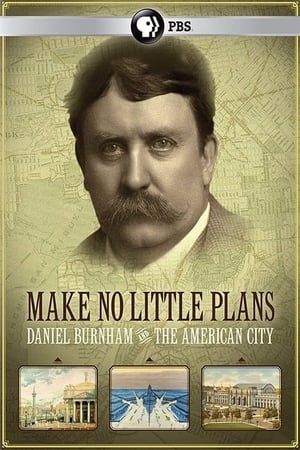
Make No Little Plans: Daniel Burnham and the American City reveals the fascinating life and complex legacy of architect and city planner Daniel Hudson Burnham. In the midst of the late nineteenth century urban disorder, Burnham offered a powerful vision of what a civilized American city could look like, one that provided a compelling framework for Americans to make sense of the world around them. A timely, intriguing story in the American experience, Make No Little Plans explores Burnham's impact on the development of the American city as debate continues today about what urban planning means in a democratic society.