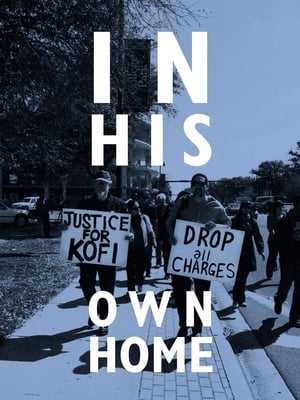
Police have been killing people in Columbus, Ohio, with near impunity for more than two decades, leaving behind a community bound together by grief – and a system that refuses to call these killings murder. In a searing indictment of the police and justice system at large, educator and curator Ingrid Raphael and journalist Melissa Gira Grant have collaborated in this short film, which spotlights the testimonies and resistance strategies of the loved ones of Henry Green, Tyre King, Donna Dalton and Julius Tate. These are the mothers, sisters, and grandmothers of those who were killed by Columbus police, women seeking justice for their family members, despite knowing that it is unlikely to be found within the system that caused their wrongful deaths.
A documentary on police brutality during the anti-corruption protest in Valjevo, Serbia on August 14th, 2025.
A documentary about a case of police brutality in the 80's NYC, the killing of graffiti artist Michael Stewart
On 12 June 2000, in Rio de Janeiro, Ônibus 174 was taken by an armed young man, threatening to kill all the passengers. Transmitted live on all national networks, this shocking and tragic event became one of violence's most shocking portraits, and one of the most terrifying examples of police incompetence and abuse in recent years.
The quest of a father seeking for a future for his son, Tom, affected by autistic disorders and passionate about haunted places. A sensitive and funny film that gives a voice to young autistic people around the world, who are fulfilled in their lives and jobs. A possible future for Tom.
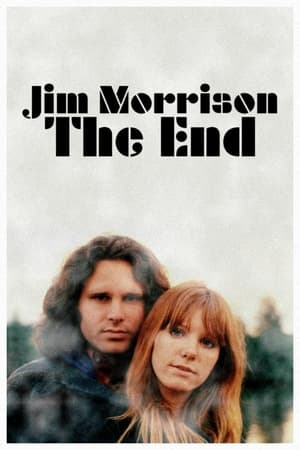
Paris, Rue Beautreillis, July 3, 1971. The corpse of rock star Jim Morrison is found in a bathtub, in the apartment of his girlfriend Pamela Courson. The chronicle of the last months of the life of the poet, singer and charismatic leader of the American band The Doors, one of the most influential in the history of rock.
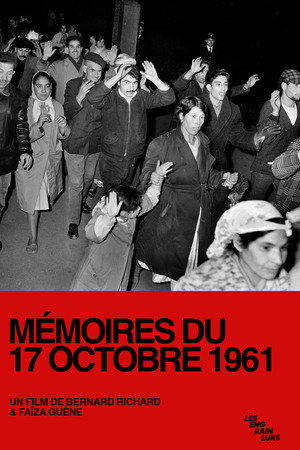
Three demonstrators from October 17, 1961, and a journalist recount the peaceful success of the demonstration and its brutal repression in the streets of Paris. Five months before the end of the Algerian War, the Gaullist government violently suppressed (40 to 300 deaths in a single evening, according to various sources) a peaceful demonstration by the entire Algerian civilian population of the Paris region, protesting the curfew imposed solely on this population (all participants held French citizenship). The government long denied this state crime; the official version: 3 deaths! In 1962, these events were granted amnesty by a simple decree (later enacted into law) issued by the same Gaullist government.
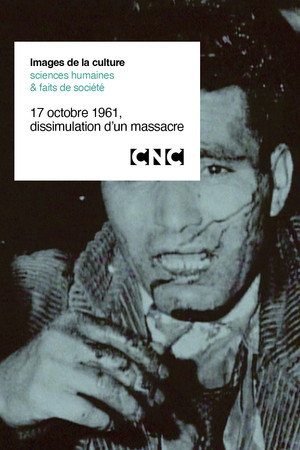
On October 17 and 18, 1961, during a non-violent demonstration against the imposed curfew, dozens of Algerians were murdered in Paris by police officers acting on orders from their superiors. For forty years, this crime has been concealed; yet these events, the deadliest on French soil since the Second World War, resemble, in some respects, the darkest hours of the collaboration. Why has this history been hidden? Under what conditions, and in the name of what reasons, did officials of a democratic state conceal the scale and gravity of such events?
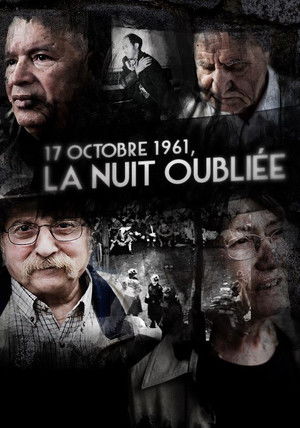
On October 17, 1961, in response to the curfew imposed on Muslim Algerians by Paris police prefect Maurice Papon, the FLN Federation of France organized a peaceful demonstration in the streets of the capital. The demonstration turned into a bloody crackdown: unprecedented violence, thousands of arrests, hundreds missing, and dozens dead. Today, much is known about the violence of that night: at least 200 Algerians were killed, beheaded, beaten, or thrown into the Seine; 11,500 others were arrested and often tortured. Hundreds were deported back to Algeria. Long silenced, the repression has been acknowledged thanks to the work of remembrance and eyewitness accounts.
Filmmaker Malini Schueller examines police brutality against minorities and the dangers of overmilitarized campuses.
The documentary tells the story of Júlio César, a young Afro-Brazilian who was executed by the Police in the 1980s in Porto Alegre. The crime became notorious when the press published photos of Julius being put alive in the police car and arriving 37 minutes later shot and dead at the hospital.
A Terra em que Pisar
In a contemplative coming of age portrait, PINBALL follows Yosef, a spirited athlete, in Louisville, Kentucky as he dives into the memories of his journey from Iraq to America and what it means to chase his dreams in the shadow of a war that displaced his family from their Iraqi homeland.
Puppeteer Chen Hsi-huang establishes his own troupe and moves out from under the shadow of his father, the legendary Li Tien-lu.
The campaign to free Julian Assange takes on intimate dimensions in this documentary portrait of an elderly man’s fight to save his son. Arguably the world’s most famous political prisoner, WikiLeaks founder Julian Assange is a figure pretty much everybody has an opinion about; perhaps more importantly, he serves as the emblem of an international arm wrestle over freedom of journalism, government corruption and unpunished war crimes. For his family members who face the prospect of losing him forever to the abyss of the US justice system, however, this David-and-Goliath struggle is personal – and, with his health declining in a British maximum-security prison and American government prosecutors pulling out all the stops to extradite him, the clock is ticking.
Oscar, not quite a child anymore, scavenges for scrap metal for his father. He spends his life in improvised landfills among what remains of leftovers. Worlds apart, yet close-by, there is Stanley. He tidies the church in exchange for a monetised hospitality, picks fruits, herds sheep: anything that keep his foreign body busy. Oscar, the young Sicilian, and Stanley the Nigerian don’t seem to have much in common. Except for the feeling of being thrown into the world, to suffer the same refusal, the same overwhelming wave of choices imposed on them by others.
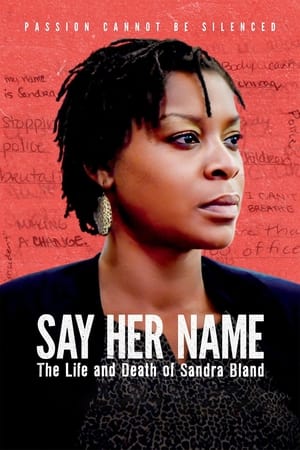
Sandra Bland was a bright, energetic activist whose life was cut short when a traffic stop resulted in a mysterious jail cell death just three days later.
O Que Trago do Chumbo - Os 50 Anos do Golpe Militar
1979. Flicking through pictures from a Soviet magazine, 15-year-old Martim dreams of building a new society. His radical communist parents send him to study at Astrakan for one year. In her new film, Catarina Mourão captures with tremendous precision the moment a middle-aged man passes his story on to his son, thus shedding the taboo of his ineffable experience.
Samir hardly knows his father. Hoping to become closer with him, he decides to accompany a hunter on a expedition in the mountains.