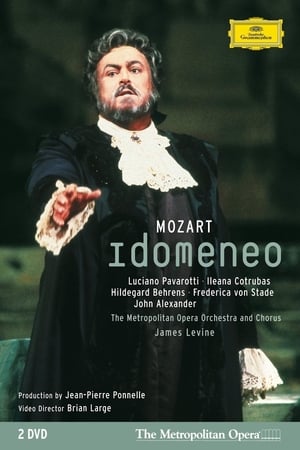
Opera royalty Luciano Pavarotti brings dignity and power to the title role in this 1982 production. During a squall at sea, Idomeneo -- the king of Crete -- swears to Neptune that if the monarch survives, he'll sacrifice the first person he encounters onshore. Tragically, that person ends up being his son, Idamante (Frederica Von Stade). Maestro James Levine masterfully conducts the orchestra and chorus of the Metropolitan Opera. A musical production that was designed for the "Live From the Met" series, this program was produced by Jean-Pierre Ponnelle.
Conducted by Riccardo Muti, the master of the Scala in Milan for twenty years, the Verdian melodrama unfolds before our eyes. This Cavani's approach is ageless and excellence is pre-eminent: to start with, the role of Riccardo is played by the wonderful Salvatore Licitra. As for Maria Guleghina, she plays an exceptionally good Amelia. Riccardo Muti proves once again what a wonderful Verdian he is.
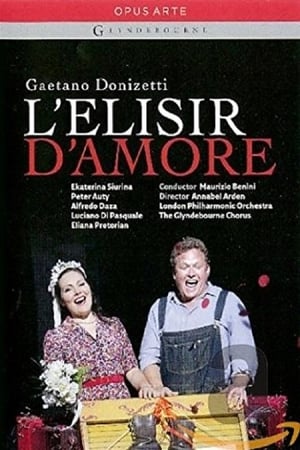
Donizetti's L'Elisir d'amore in a colorful version signed Annabel Arden. A pastoral romance between Adina, the rich and gorgeous landowner, and Nemorino, a simple peasant, L'Elisir d'amore sets Tristan and Iseult's love potion at the center of the action. With Ekaterina Siurina, Peter Auty, Alfredo Daza, Luciano Di Pasquale and the London Philharmonic Orchestra under Maurizio Benini's baton. Revival of production first performed 12 October 2007. This recording is of performances 12/15 August 2009.
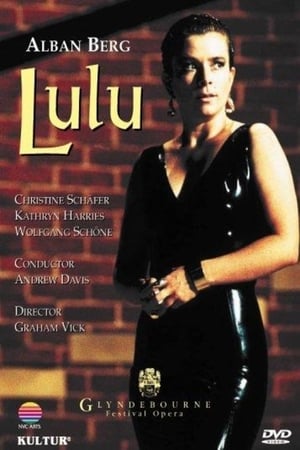
Alban Berg's black, satirical opera is one of the masterpieces of the 20th Century. It charts the rise and fall of a femme fatale "created to make trouble", from life as a society hostess to prostitution and eventual bloody death at the hands of Jack the Ripper. Berg's score is intensely beautiful, and the rich characterisation brilliantly executed.
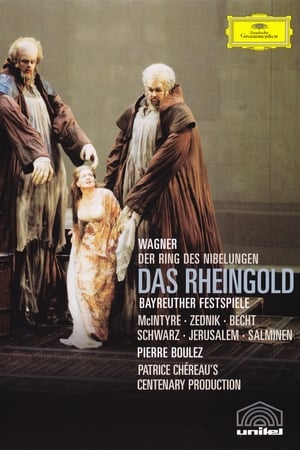
This is a beautifully conducted and thoughtfully staged performance of the first opera (the prologue) in Wagner's Ring Cycle. As soon as the clouds of mist have dissipated, while the daring, long-held opening chord is still reverberating, the screen clears to show not only the River Rhine and the three maidens (dressed like prostitutes in this production) assigned to guard the gold hidden there. It also shows an enormous dam (not mentioned in Wagner's text). This is the underwater base of a hydroelectric plant, and its presence tells us two things immediately: that this production takes the story out of the vaguely medieval fantasy world in which Wagner had placed it, and that a basic theme of the four-opera cycle would be power. Alberich, the Nibelung, is willing to renounce the love of women, after stealing the gold from the Rhine, to become the ruler of the world. Another basic theme is greed.
Figaro and his betrothed Susanna are preparing for their wedding day. The Count, Figaro's master, has plans to use his ancient right to sleep with Susanna on their wedding night. The couple and the Countess plot to keep the Count at bay.
Tim Albery's Olivier-nominated production for The Royal Opera delves deep into the psychology of Wagner's cursed wanderer and his beloved Senta, detailing the monomania and uncompromising idealism that finally drives them apart. Michael Levine's elemental single set is dominated by a rolling metal hull that represents the Dutchman's phantom ship, the poverty of Senta's home and the treacherous sea.
With its enchanting setting and spellbinding score, the world’s most popular opera is as timeless as it is heartbreaking. Franco Zeffirelli’s picture-perfect production brings 19th-century Paris to the Met stage as Puccini’s young friends and lovers navigate the joy and struggle of bohemian life. Soprano Juliana Grigoryan is the feeble seamstress Mimì, opposite tenor Freddie De Tommaso as the ardent poet Rodolfo.
The electrifying Lise Davidsen tackles one of the ultimate roles for dramatic soprano: the Irish princess Isolde in Wagner’s transcendent meditation on love and death. Heroic tenor Michael Spyres stars opposite Davidsen as the love-drunk Tristan. Mezzo-soprano Ekaterina Gubanova reprises her signature portrayal of Brangäne, alongside bass-baritone Tomasz Konieczny, who sings Kurwenal after celebrated Met appearances in Wagner’s Der Fliegende Holländer and Ring cycle. Bass-baritone Ryan Speedo Green makes an important role debut as King Marke.
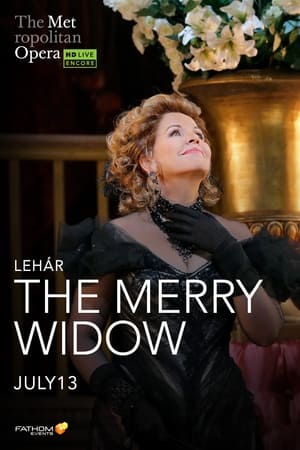
Renée Fleming lights up the Met stage as Hanna Glawari, the fabulously wealthy widow of the title in Lehár’s beloved operetta, set in Paris and seen in a glittering production directed and choreographed by Broadway’s Susan Stroman. Nathan Gunn is Danilo, Hanna’s former flame, who is supposed to woo and marry her in order to keep her fortune in their home country of Pontevedro. Kelli O’Hara sings Valencienne, the flirtatious young wife of the Pontevedrian ambassador in Paris, Baron Zeta, played by Thomas Allen, and Alek Shrader is her suitor, Camille. Andrew Davis conducts the waltz-rich score, and the new English translation is by Jeremy Sams.
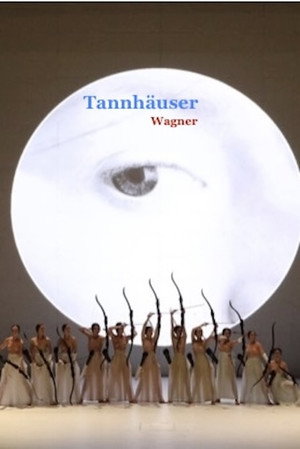
Tannhäuser und der Sängerkrieg auf der Wartburg - Bayerische Staatsoper
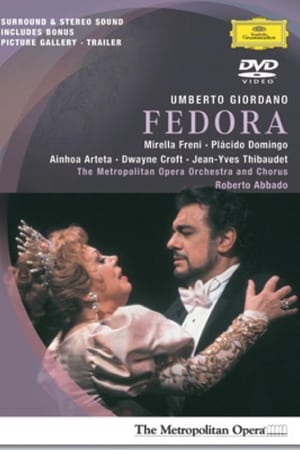
Princess Fedora, who is to marry the Count the following day, arrives and sings of her love for him, unaware that the dissolute Count has betrayed her with another woman. The sound of sleigh-bells is heard, and the Count is brought in mortally wounded. Doctors and a priest are summoned, and the servants are questioned. It is proposed that Count Loris Ipanov, a suspected Nihilist sympathiser, was probably the assassin. De Siriex (a diplomat), and Grech (a police inspector) plan an investigation. Fedora swears on the jewelled Byzantine cross she is wearing that Count Andrejevich's death will be avenged.
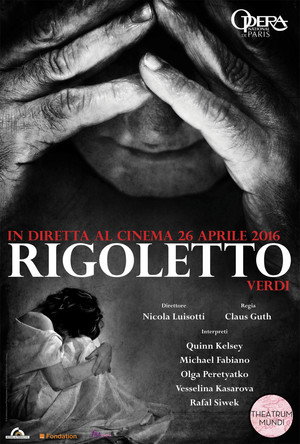
Rediscover a monumental moment in Verdi's oeuvre: the immortal Rigoletto! In this eye-catching production staged by Claus Guth at Paris's Opéra Bastille, soloists Quinn Kelsey (Rigoletto), Olga Peretyatko (Gilda), Michael Fabiano (the Duke of Mantua), and Rafal Siwek (Sparafucile) put their incredible talents to captivating use. To revisit this well-known opera, Guth recounts the story from the point of view of an aged Rigoletto, a clown past his prime, who watches his memories pass before his eyes as he looks back on his life. The set design by Christian Schmidt and Olaf Winter's careful lighting create an imposing, chilly, and implacable ambiance, perfect for the melodrama unfolding onstage. The Choir and Orchestra of the Paris Opera, under the baton of Nicola Luisotti, offer up a powerful interpretation of this timeless work.
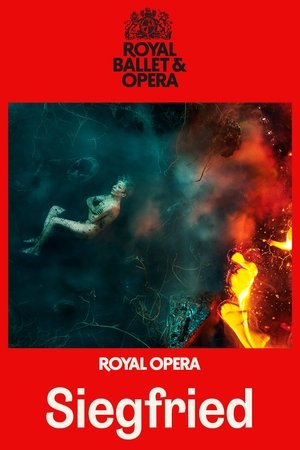
Raised by a scheming dwarf and unaware of his true family origins, a young man embarks on an epic journey.
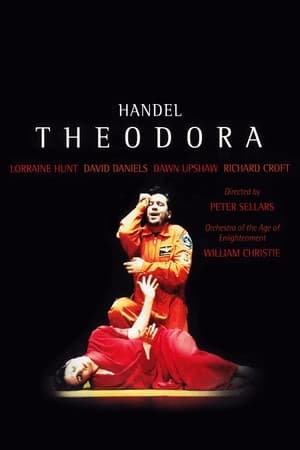
The Peter Sellars production of Handel's "Theodora", recorded live at the Glyndebourne Festival in May 1996. Dawn Upshaw stars as Theodora, with David Daniels as Didymus, Lorraine Hunt Lieberson as Irene, Richard Croft as Septimius, and Frode Olsen as Valens. William Christie conducts the Orchestra of the Age of Enlightenment.
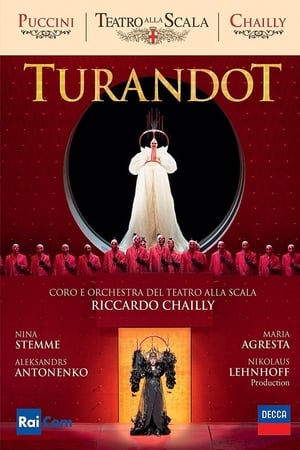
Visually this is a gripping production which captures the drama of this opera perfectly. It's downright exciting! and I found the singing, acting, and orchestral playing reasonably fine. I found only one major problem with it, a problem that kept Puccini for quite a few years. Turandot has been looking for an opportunity to kill Calif and Calif has singlemindedly tried to get Turandot to love and wed him focusing on her and ignoring a better looking girl who loves him truly. The problem is how to get the audience to applaud the match once Calif gets his wish. Puccini couldn't figure out how to do it. The traditional quick ending doesn't do it, and Berio's attempt is longer , tries its best, but ends up making it plain this is one wierd couple.
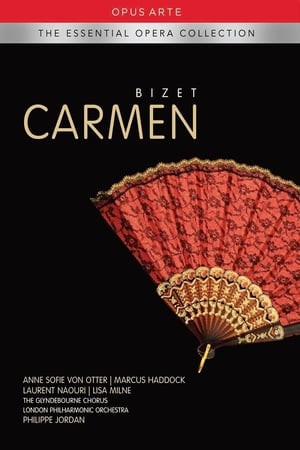
David McVicar's exhilarating new production, with Anne Sofie von Otter in the title role, restores the Opera Comique to Bizet's masterpiece. Philippe Jordan, in his Glyndebourne debut, conducts the London Philharmonic Orchestra, the Glyndebourne Chorus, and a cast which includes Marcus Haddock, Laurent Naouri, and Lisa Milne.
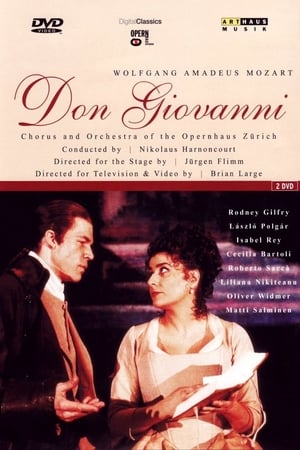
Live 2001 production from the Zurich Opera House of the classic Mozart/Da Ponte opera, with Nikolaus Harnoncourt conducting and directed for television and video by Brian Large.
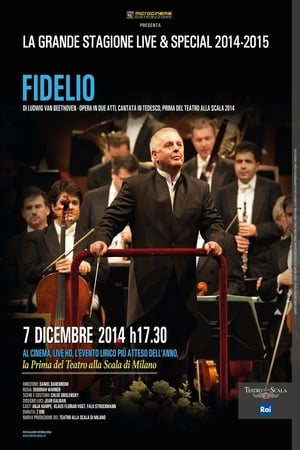
A tribute to marriage coming from a bachelor is a tad suspicious. But for Beethoven the idealization of the woman-bride was heartfelt and sincere. It has always been a unique opera starring a courageous wife who wows audiences. Fidelio is a moral title, associated with the ideals of liberty of the French Enlightenment. Nobility and commoners are united in their thirst for justice against the oppression of power. For once the faithful consort of a desaparecido wins her battle against a treacherous tyrant, and the collective joy truly is “nameless”, as is sung on the stage. Especially because the “our heroes to the rescue” finale is recounted by the triumphant symphonic flair of the quintessential musician. Beethoven really does bring the world to collapse at the conclusion of this opera, which begins like a delightful little comedy, but which scales and transcends all the summits of the dramatic-musical art.
Iconic songstress Barbra Streisand culminates her 13-city tour in Miami with dazzling ballads, Broadway standards and stories from behind the scenes.