By the mid-1980s, the fabled animation studios of Walt Disney had fallen on hard times. The artists were polarized between newcomers hungry to innovate and old timers not yet ready to relinquish control. These conditions produced a series of box-office flops and pessimistic forecasts: maybe the best days of animation were over. Maybe the public didn't care. Only a miracle or a magic spell could produce a happy ending. Waking Sleeping Beauty is no fairy tale. It's the true story of how Disney regained its magic with a staggering output of hits - "Little Mermaid," "Beauty and the Beast ," "Aladdin," "The Lion King," and more - over a 10-year period.
This excellent feature-length documentary - the story of the imperialist colonization of Africa - is a film about death. Its most shocking sequences derive from the captured French film archives in Algeria containing - unbelievably - masses of French-shot documentary footage of their tortures, massacres and executions of Algerians. The real death of children, passers-by, resistance fighters, one after the other, becomes unbearable. Rather than be blatant propaganda, the film convinces entirely by its visual evidence, constituting an object lesson for revolutionary cinema.
Pemba is a Mamma's Boy. At two-years old, he should be independent, but he's still living at home. Like most teenagers, he's impatient and headstrong, which makes him bad at stalking and hunting, so Mom provides all their meals. But when Mom is injured Pemba is forced to grow up fast in order to survive.
Jhalana’s refuge, India's urban leopard habitat, is controlled by the strong and experienced Bahadur. But his dominance is being challenged – by his son, Rana! Once a quiet youngster, Rana has grown into an ambitious young male. But in the animal kingdom, power is not inherited – it is fought for with strength and persistence. Rana is not content with just securing his place; he wants more. To fulfill his ambitions, he forms a bond with one of his father's females, and what begins as a simple interaction soon turns into a powerful partnership. The aging Bahadur has held his territory for six years and will not tolerate his son's claim. Rana faces a decision: retreat or fight. But Rana follows his instincts.
A documentary about an old animation technique and the film studio that tries to carry on the legacy. The worlds oldest animation studio still making film with stop motion technique is Nukufilm located in Tallinn, Estland. Here we can follow the work in the studio which was founded in the Soviet era and has survived heavy censorship and global competition.
A film about the noted American linguist/political dissident and his warning about corporate media's role in modern propaganda.
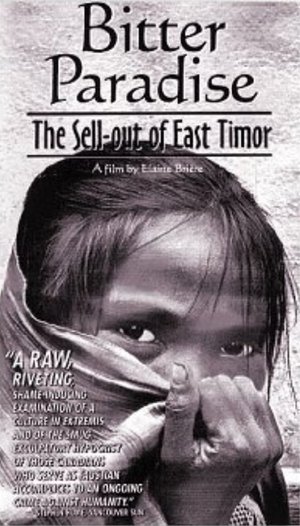
The political journey of Canadian photographer Elaine Brière from the villages of East Timor to the halls of the United Nations in an effort to find out Ottawa's rational for abandoning the tiny nation of East Timor to corporate interests in Indonesia.
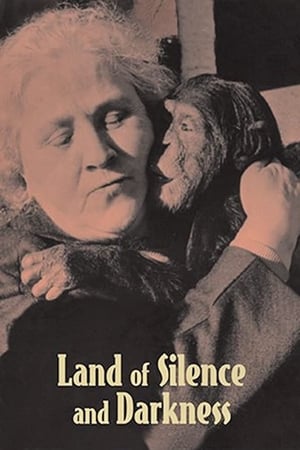
Through examining Fini Straubinger, an old woman who has been deaf and blind since her teens, and her work on behalf of other deaf-blind people, this film shows how the deaf-blind struggle to understand and accept a world from which they are almost wholly isolated.
Heavily dependent on imports, Europe is seeking to develop its production of lithium, an element that is essential to the energy transition. Focus on the environmental challenges that accompany this quest for independence.
Afghan documentary maker Najiba Noori offers not only a loving and intimate portrait of her mother Hawa, but also shows in detail how the arduous improvement of the position of women is undone by geopolitical violence. The film follows the fortunes of Noori’s family, who belong to the Hazaras, an ethnic group that has suffered greatly from discrimination and persecution.
Back to Timor follows the journey of four Kiwi military veterans who return to East Timor 25 years after serving as peacekeepers there. The big question for them - did they make a difference?
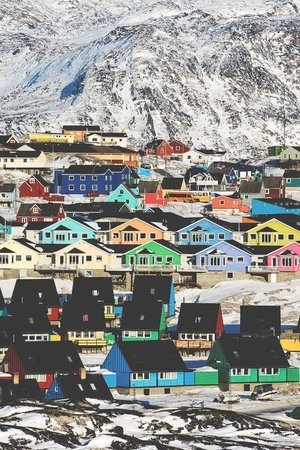
Greenland
Frosia, une femme libre au Goulag
1953, colonized Algeria. Fanon, a young black psychiatrist is appointed head doctor at the Blida-Joinville Hospital. He was putting his theories of ‘Institutional Psychotherapy’ into practice in opposition to the racist theories of the Algies School of Psychiatry, while a war broke out in his own wards.
Three lionesses try to survive in the Namibian desert.
A former Catelli pasta factory, located at the confluence of Petite-Patrie, Mile-End and Little Italy, has over time become the refuge of many renowned artists, an important place of creation for contemporary painting. Montrealer. Chance encounters, proximity and exchanges enrich their respective work. But real estate speculation threatens the sustainability of these artists' studios. Fight to create, create to fight: this documentary opens the door to these inspiring places, which will soon no longer be so. A journey into the spirit of creation — despite everything.
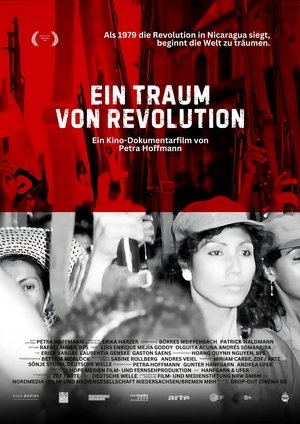
When the revolution in Nicaragua won its victory nearly 40 years ago, the world began to dream. A young generation was taking the reins in a country of grand utopias. From West Germany alone, 15,000 “brigadists” travelled to help rebuild the war-torn country: liberals, greens, unionists, social democrats, leftists and church representatives harvested coffee and cotton, built schools, kindergartens and hospital wards. No movement has mobilised so many people. What became of the hopes and dreams of the revolutionaries and their supporters?
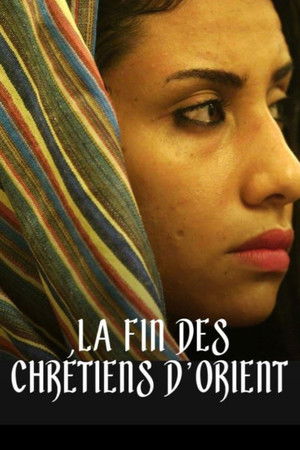
La fin des Chrétiens d'Orient?
For decades, the countries of the African Sahel region have been targets of colonialism and exploitation by France and other Western powers. This documentary addresses the popular resistance and new paths of development forged by Burkina Faso, Niger, and Mali after experiencing civil and military uprisings in recent years. The film explores the popular resistance that sustains the revolution in the three Sahel countries and was made after extensive coverage of the ongoing social dynamics and geopolitical disputes.
A journey through Ukraine that reveals the banality of evil behind the Russian invasion with the shocking juxtaposition of two realities: the Ukrainians who have been suffering and resisting the war violence, and the Russian military, and civilians, who have been perpetrating it.