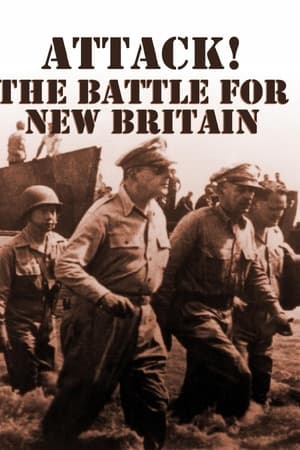
Actual footage by the United States Signal Corps of the landing and attack on Arawe Beach, Cape Glouster, New Britain island in 1943 in the South Pacific theatre of World War Two, and the handicaps of the wild jungle in addition to the Japanese snipers and pill-box emplacements.
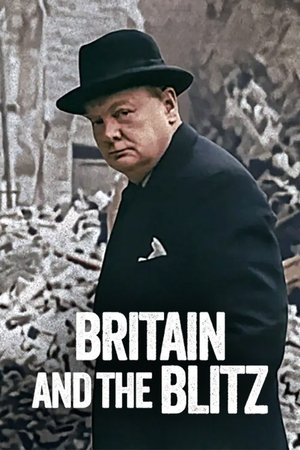
Documentary looking back at a Britain during the darkest days of WWII using stunning new archived footage and interviews with people who lived through it.
A brief history of British aviation and the development of both civil and military aircraft. Made for the Festival of Britain.
In the blistering hot summer of 1984, a sadistic predator is terrorising rural Britain. This is the story of the desperate police manhunt for The Fox, one of the most prolific and depraved offenders in British criminal history.
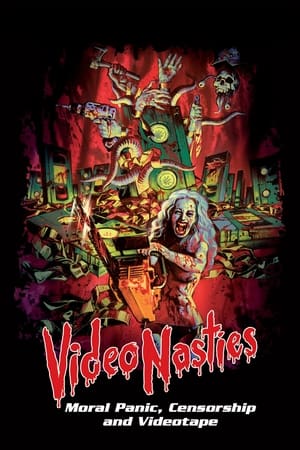
A documentary analyzing the furore which so-called "video nasties" caused in Britain during the 1980s.
Grierson set out to make "propaganda," and this film--with it's voice-over proclaiming the great value of the British industrial worker, without a hint of ambiguity or doubt--fits that category well. The authoritatarian narrator feels out-of-date and unsophisticated, but the footage is well shot and interesting, and the transparency of the propaganda aspect is almost a reflief at a time when so many films have hidden agendas.
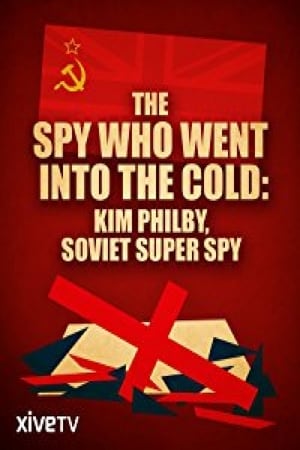
A documentary about Kim Philby, a British member of MI6 who was in reality a spy and defected to the U.S.S.R.
This short satirical film, created entirely from archival footage, is about the British Empire—on which the sun never sets. The majority of the humour and wit is found in the interplay between image and sound: what we see during the formative days of the Empire, and what famous servants had to say about it. Edited by Oscar®-nominated experimental filmmaker Arthur Lipsett (Very Nice, Very Nice).
From Bedrooms to Billions is a 2014 documentary film by British filmmakers Anthony Caulfield and Nicola Caulfield that tells the story of the British video games industry from 1979 to the present day. The film focuses on how the creativity and vision of a relatively small number of individuals allowed the UK to play a key, pioneering role in the shaping of the billion dollar video games industry which today dominates the modern world's entertainment landscape. The film features interviews with major British game designers, journalists and musicians from across the last 30 years.
Hogwood: A Modern Horror Story takes you beyond the factory farm walls and follows an intrepid group of undercover investigators as they enter some of Britain's biggest factory farms for the very first time.
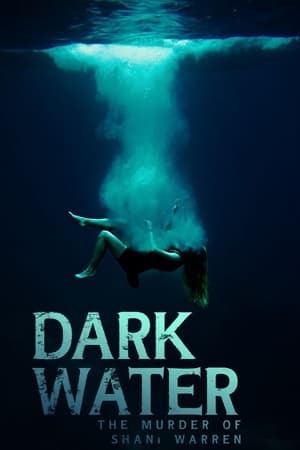
Twenty-six-year-old Shani Warren was found drowned in Taplow Lake, Buckinghamshire, with her hands tied and feet bound together in 1987. Revealing how it took a forensic breakthrough to solve the 35-year mystery of the death of The Lady in the Lake.
At the demise of empire, City of London financial interests created a web of offshore secrecy jurisdictions that captured wealth from across the globe and hid it behind obscure financial structures in a web of offshore islands. Today, up to half of global offshore wealth may be hidden in British offshore jurisdictions and Britain and its offshore jurisdictions are the largest global players in the world of international finance. How did this come about, and what impact does it have on the world today? This is what the Spider's Web sets out to investigate.
Over 300,000 children were given food aid in the UK last year. While politicians argue about why so many kids are experiencing food poverty, we ask the children themselves to tell us why they think the cupboards are bare.
Documentary to mark the WI's centenary. Lucy Worsley goes beyond the stereotypes of jam and Jerusalem to reveal the surprisingly radical side of this Great British institution.
Guyanese painter Aubrey Williams (1926-1990) returns to his homeland on a “journey to the source of his inspiration” in this vivid Arts Council documentary, filmed towards the end of his life. The title comes from the indigenous Arawak word ‘timehri’ - the mark of the hand of man - which Williams equates to art itself. Timehri was also then the name of the international airport at Georgetown, Guyana's capital, where Williams stops off to restore an earlier mural. The film offers a rare insight into life beyond Georgetown, what Williams calls “the real Guyana.” Before moving to England in 1952 he had been sent to work on a sugar plantation in the jungle; this is his first chance to revisit the region and the Warao Indians - formative influences on his work - in four decades. Challenging the ill-treatment of indigenous Guyanese, Williams explored the potential of art to change attitudes. By venturing beyond his British studio, this film puts his work into vibrant context.
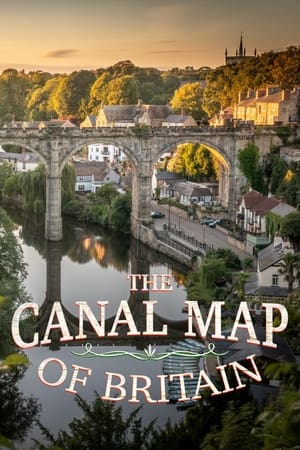
A look at Britain's beloved canal network via a fact-filled cruise along the first superhighways of the Industrial Revolution. In the age before mechanisation, a frenzy of canal-building saw a new army of workers carve out the British landscape, digging out hundreds of miles of waterways using picks, shovels and muscle.
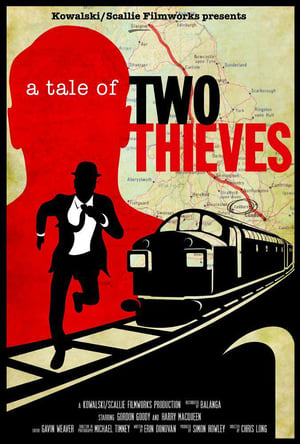
In 1963 in the countryside in England, fifteen men pulled off 'The Great Train Robbery' netting today's equivalent of $85million. This incredible film features Gordon Goody, one of the instigators of the crime, for the first time ever, revealing the identity of the missing mastermind behind Britain's most famous heist- the elusive and mysterious 'Ulsterman'.
Beautifully made and historically important pipe organs are being scrapped in their hundreds. Once at the centre of British culture pipe organs are now neglected and unloved.
BBC Two takes us inside the world's biggest invention time capsule - the Science Museum vaults - and asks the nation to vote for Britain's Greatest Invention.
The bombings recently carried out by the Revolutionary Breton Army (ARB) have drawn attention to the political and cultural history of the Breton movement. The writer Roparz Hemon is one of its emblematic figures. He was born in Brest in 1900, and died in Dublin in 1978 after thirty years of voluntary exile in Ireland following his trial for collaboration at the end of the war. He had indeed organised the first Breton-language radio programmes under German control. The work of this poet, novelist, and translator of Shakespeare and Cervantes is dominated by the theme of the dream.