A brief history of British aviation and the development of both civil and military aircraft. Made for the Festival of Britain.
An attempted evocation of the tradition of British printing, in a series of dramatised impressions: the discovery of a new method of printing in France and its development in England. The beauty of language is illustrated by excerpts from the works of Shakespeare and Dickens.
An introduction to the sport of flying model aircraft. Made with assistance of the Society of Model Aeronautical Engineers.
When the Government decide to build a Festival of Britain exhibition site, everything goes to plan, all except the fact that the main road and the pedestrian subway into the site, are blocked by a little corner shop, which is owned and run by a Mr. Lord and his family. When the Lords refuse to be bought off, and decline the compensation offered by the authorities. the police and the bailiffs try to evict them, only to come under fire from the family, who have barricaded themselves inside the shop.
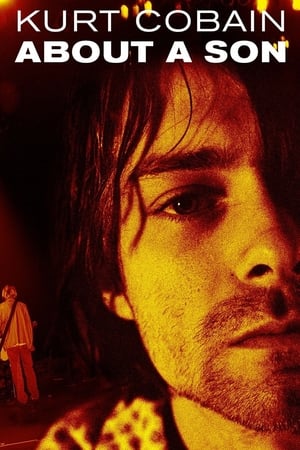
An intimate and moving meditation on the late musician and artist Kurt Cobain, based on more than 25 hours of previously unheard audiotaped interviews conducted with Cobain by noted music journalist Michael Azerrad for his book "Come As You Are: The Story of Nirvana." In the film, Kurt Cobain recounts his own life - from his childhood and adolescence to his days of musical discovery and later dealings with explosive fame - and offers often piercing insights into his life, music, and times. The conversations heard in the film have never before been made public, and they reveal a highly personal portrait of an artist much discussed but not particularly well understood.
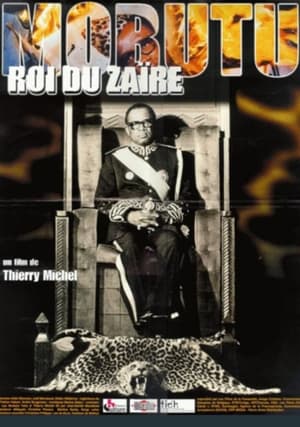
This film is the result of more than two years of work tracking down archive material and witnesses close to Mobutu in Africa, Europe and the U.S. More than 950 hours of footage have been seen by the world. Among the 104 hours selected as the basis for this film, are 30 hours of archives recently discovered in Kinshasa and never before released. Completing these exceptional documents, are more than 50 hours of interviews with those close to the former president and the events surrounding his reign, conducted by the director in Kinshasa, Brussels, Paris and Washington. Like a vast historical puzzle, this film pieces together the tragic history of a country, and its self-styled leader - the dictator, Mobutu Sese Seko, "King of Zaïre".
In the Gulf of Finland shipwreck hunters come across the remains of a sunken ship. Having examined the images obtained by an underwater robot, researchers come to a conclusion that the wreck remains are that of “Krišjānis Valdemārs” – independent Latvia´s first icebreaker. The story of an icebreaker allows viewers to the look at the history of Latvia between wars from a new angle and provides insights into the little known, but fascinating episodes of a maritime history.
This is a documentary movie focusing on the common problems of governance in the world's mega cities. Using the calls received by the 12345 hotline in Beijing as a clue, the movie presents the vivid stories of citizens' lives in Beijing, a mega-city with a population of more than 21 million, through documentary filming.
Isolde Woudstra documents life with Lebanon Hanover, accompanying them on a four day tour of Bristol, London, Paris and Berlin. Isolde interviews the band and crew separately.
The documentary reveals the behind-the-scenes production process of the film “Ne Zha 2”, telling the story of director Jiaozi and more than 4,000 animators across the country striving to push the boundaries of creativity. Through moments of work and lighthearted interactions among the production team, the film showcases the relentless spirit, optimism, and boundless imagination of Chinese animation filmmakers as they continuously break through creative limits and personal barriers, embodying the philosophy that “life has no limits.”
Céline Dion – Céline Parle D'elle(s)
Rio Branco
A father finds refuge in memories created together with his daughter, who has been stricken with an illness. She has decided to keep her distance from him and they have not spoken for years. The film encourages her to reconsider her decision.
The most original aspect of Escartín, which gives his work a radical character, is a certain Olympian indifference to opinions conceived a priori as correct and his willingness to get to the bottom of things. That is why a short film with the curious title Amor (Love) is so important. It consists of an interview with a young former Israeli soldier, recorded in a single afternoon, in which the subject declares that it is necessary to achieve peace with the Palestinians after all the hatred and wounds of war. The soldier's speech has something innocent and conventional about it, but there is a dark side, where it is clear that he does not want to talk about his personal experience in the conflict, and he refers to something called kill rush, an addiction that one acquires when one has started killing.
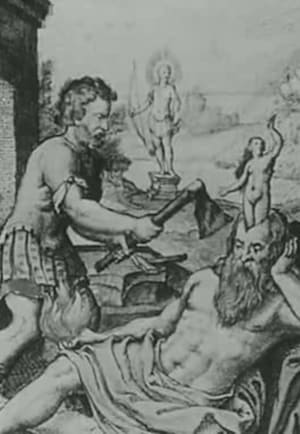
The film is a short documentary about alchemical engravings.
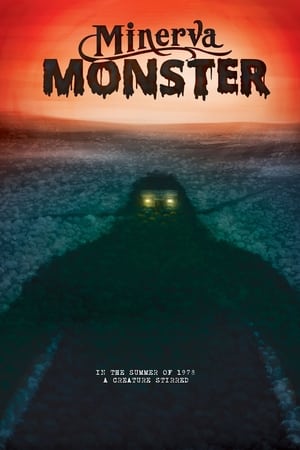
In August of 1978 a small town in eastern Ohio was thrust into the spotlight when a local family sighted a Bigfoot in the woods behind their home. Over subsequent evenings they were repeatedly visited by the creature culminating in a late-night encounter that ended in local police being called in.
Diagnosed with Amyotrophic Lateral Sclerosis (ALS), Chris Lucash searches for meaning while the endangered species he dedicated himself to saving faces another potential extinction. Staring Down Fate is about 7.4 billion people and our relationship with nature as told through the life of one person. Chris’ story reveals research showing connections between pesticides, fertilizer run-off and neurodegenerative diseases, including ALS.
Throughout investigating his favorite conspiracy theories, Quin Breter realized most of them are not as far-fetched as he thought in this documentary.
Between 1992 and 1993, in the midst of the Algerian civil war, a group of women from the Maghreb met in Tunisia to discuss their political commitment and their stance on violence.
The heritage of Carthaginian women still survives in Tunisian traditions.