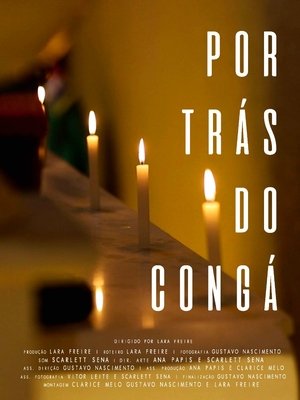
A documentary based on the book Umbanda no Brasil by the scholar Mata e Silva, who is interviewed by the director. The book studies the Brazilian religion known as spiritism, a syncretism of African beliefs and magical rites, Indian beliefs and images, and Catholic symbols.
King of the Jews is a film about anti-Semitism and transcendence. Utilizing Hollywood movies, 1950's educational films, personal home movies and religious films, the filmmaker depicts his childhood fear of Jesus Christ. These childhood recollections are a point of departure for larger issues such as the roots of Christian anti-Semitism.
Documentary film about Catholic Church teachings about homosexuality. Describes the "third way", the lifestyle lead by orthodox gay Catholics practicing celibacy out of personal choice, an often overlooked demographic in the debates about homosexuality in the Church.
Thomas Haemmerli is about to celebrate his fortieth birthday when he learns of his mother's death. A further shock follows when he and his brother Erik discover her apartment, which is filthy and full to bursting with junk. It takes the brothers an entire month to clean out the place. Among the chaos, they find films going back to the 1930s, photos and other memorabilia.
In Uganda, AIDS-infected mothers have begun writing what they call Memory Books for their children. Aware of the illness, it is a way for the family to come to terms with the inevitable death that it faces. Hopelessness and desperation are confronted through the collaborative effort of remembering and recording, a process that inspires unexpected strength and even solace in the face of death.
Exploration of prejudice and culture clash that a group of Laotian Buddhist refugees must endure in Rockford, Illinois.
An home movie documentary about a young man with a camera who tries to recount and reframe a pivotal moment in his childhood: the death of his mother. An intimate and personal story about what remains of that mother-son relationship, now marked by an unbridgeable distance and an absence with which it is necessary to come to terms.
An Oscar nominated documentary about a middle-class American family who is torn apart when the father Arnold and son Jesse are accused of sexually abusing numerous children. Director Jarecki interviews people from different sides of this tragic story and raises the question of whether they were rightfully tried when they claim they were innocent and there was never any evidence against them.
Jason Momoa's story of fatherhood, craftsmanship, and the legacy he'll leave behind.
Commentator-comic Bill Maher plays devil's advocate with religion as he talks to believers about their faith. Traveling around the world, Maher examines the tenets of Christianity, Judaism and Islam and raises questions about homosexuality, proof of Christ's existence, Jewish Sabbath laws, violent Muslim extremists.
Writing a letter to Paul B. Preciado, trans philosopher and filmmaker, as one would write to a friend. Undertake a healing process as a queer child growing up in a Spanish evangelical family. From Lausanne to New York, Lézio Schiffke-Rodriguez follows in the footsteps of revolutions that invite us to redefine our vision of binary bodies.
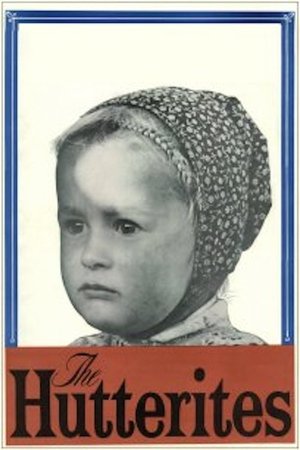
A look at the Hutterites, an Anabaptist religious community similar to the Amish or the Mennonites in rural Alberta.
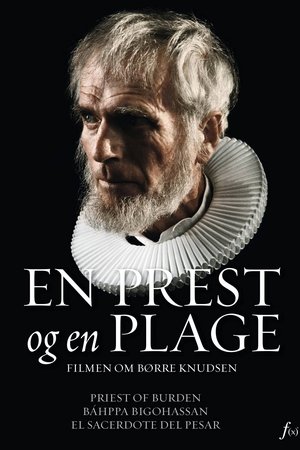
The priest Børre Knudsen is Norway's most infamous anti-abortionist, and much hated for this. He fought for his cause without thinking about the consequences for his family and his children even in the worlds most democratic country.
Filmed immediately after the end of the civil war in Angola, Há Sempre Alguém Que Te Ama records the return of Pocas Pascoal to the country where she was born, in an attempt to reconstruct the episode that, in 1975, led to the capture of the director along with her mother and sisters. An intimate documentary about memory and self-(re)construction.
Reclaiming what was once stolen from him, a man journeys back to the place of his childhood nearly 80 years after his world came crashing down.
Activists of the LGBTQ+ association Rain Arcigay Caserta come back living in a property given to them in concession, confiscated from the Camorra in Castel Volturno. The goal is to reconnect with the local inhabitants and propose a new idea of sharing and regenerating the park.
An exploration of America’s cultural divide ignited by the 2020 controversy surrounding the forcible toppling of Father Junipero Serra’s statues. Best-selling author Arthur Brooks examines the toxic polarization gripping the nation. Can we bridge this divide, or are we destined to repeat history?
In a darkened classroom, the white cracked walls serve as a movie screen. We are in a remote mountain village in Georgia. The light from the projector breaks the darkness: the children's first cinematic experience is about to begin. Among the kids are Iman and Eva, two Muslim girls, for whom the experience becomes a turning point and inspires them to pick up a camera and start filming their daily lives. The girls are growing up in a valley infested by radicalism, where most people live in constant fear that their relatives will sacrifice their lives in the name of God.
In the vast expanse of desert East of Atlas Mountains in Morocco, seasonal rain and snow once supported livestock, but now the drought seems to never end. Hardly a blade of grass can be seen, and families travel miles on foot to get water from a muddy hole in the ground. Yet the children willingly ride donkeys and bicycles or walk for miles across rocks to a "school of hope" built of clay. Following both the students and the teachers in the Oulad Boukais Tribe's community school for over three years, SCHOOL OF HOPE shows students Mohamed, Miloud, Fatima, and their classmates, responding with childish glee to the school's altruistic young teacher, Mohamed. Each child faces individual obstacles - supporting their aging parents; avoiding restrictions from relatives based on traditional gender roles - while their young teacher makes do in a house with no electricity or water.
A portrayal of the life of one of the most important samba musicians in Brazil, Bahian sambista Oscar da Penha, popularly known as Batatinha (1924 -1997). Through memories of their father, his nine children share their perspectives, as well as interviews with family, friends and musicians, to tell the story of Batatinha’s life, history and work.