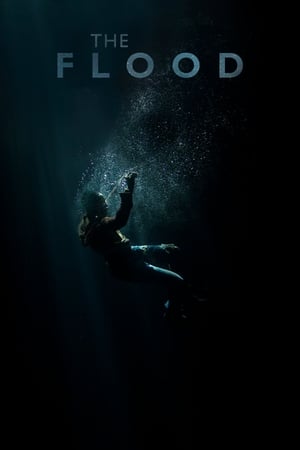
Told in a very abstract and poetic way, this love story – set in very unusual circumstances – is inspired by the refugee crisis, in which Macedonia played the unfortunate role of a transit country.
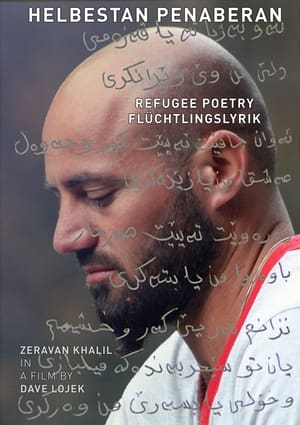
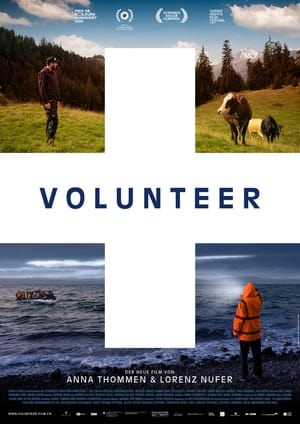
The Kurdish Iraqi poet and actor Zeravan Khalil travels with his dog through an Alpine gorge after fleeing from IS war and genocide. As he remembers the abomination, he writes a poem with the title “You drive me mad” in Kurmanji Kurdish. In his home country, Yazidic Kurds are forbidden to work in his profession. Then he eats his apple and wanders through Europe’s middle with more hope.
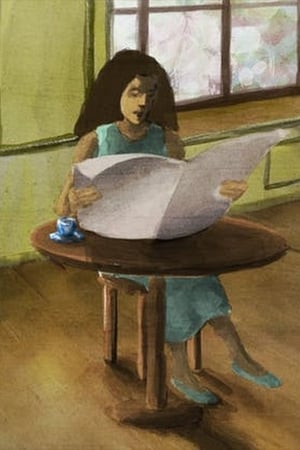
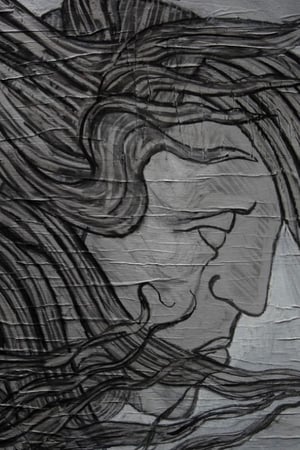
A woman reads the newspaper with such intensity that she gets literally devoured by it. Painted on its pages she witnesses some of the tragic events of our times, drowns in ocean trash and is threatened by the elements unleashed by climate change. Yet in her despair she transforms this darkness into movement and art, so she plants the seeds of hope.
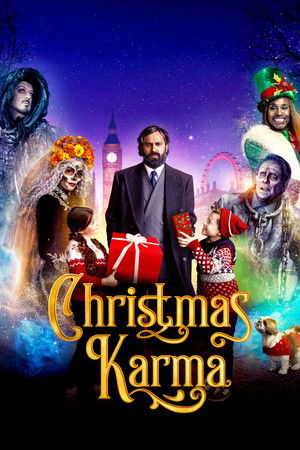
In contemporary London, miserly British-Indian businessman Eshan Sood is compelled by three ghosts to reflect on his life and to consider the needs of those around him.
Gaza is a 14-year-old boy who lives on the Aegean coast of Turkey. Together with his domineering father, he helps smuggle refugees from war-torn countries to Europe, giving them temporary lodgings and scant food until they attempt the crossing. Gaza dreams of escaping this life, but can't help being drawn into a dark world of immorality, exploitation and human suffering. Can you avoid becoming a monster when you've been raised by one? Onur Saylak's debut feature, adapted from the award-winning novel of the same title by Hakan Günday, one of the first novels to document the refugee crisis in Europe, "More" is the gripping story of a boy that gets to grow up in a world where there's no room for innocence.
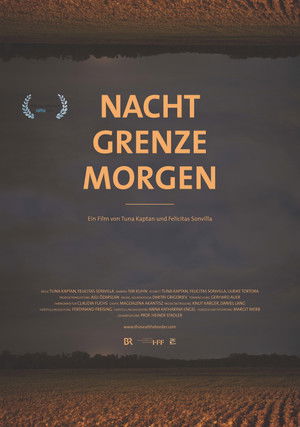
Nacht Grenze Morgen
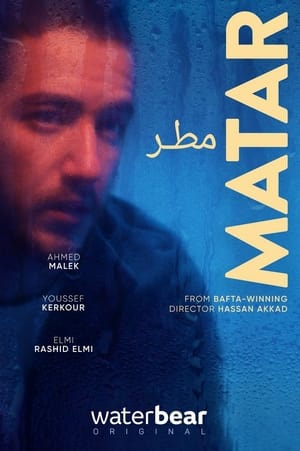
The story of an asylum seeker in England who, when confronted with the hostile immigration system in the UK, is forced to live on the fringes of society and rely on his bike to survive. Based on the lived experience of co-writer Ayman Alhussein.
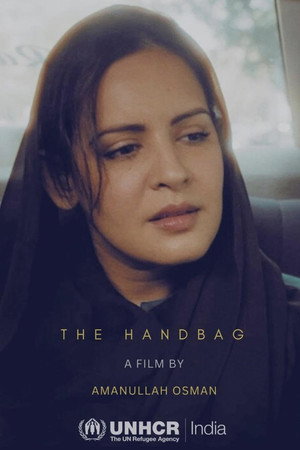
The story follows Lallan, a cab driver, whose simple act of returning a forgotten handbag for an Afghan refugee leads him down an unexpected path.
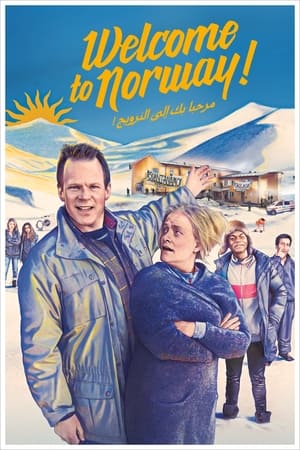
A couple decide to open a home for refugees in the remote cold mountains of Norway.
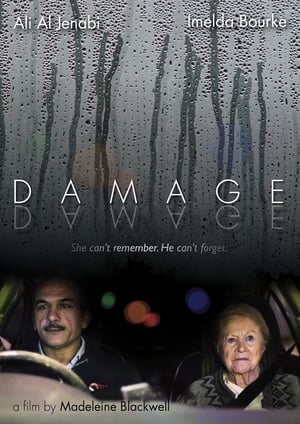
Ali is not a citizen. He drives a taxi using another man’s license and relies on the GPS to negotiate his way around a city he doesn’t know. His passenger, Esther is an old woman who can’t remember where she is going. She is angry because she has been stripped of everything that is familiar to her and she doesn't recognise the world anymore. They travel through the night in search of a vague destination while surveillance cameras mark their journey, coldly omitting the human element, defining who belongs and who does not, who is safe and who is not. What they have in common is their damage – she can’t remember and he can’t forget.
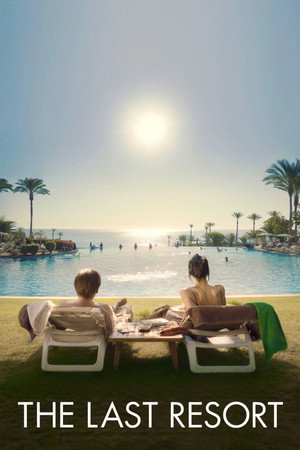
When a Danish family finds themselves on a holiday island, in the midst of the first major refugee crisis in Europe in our time, our northern European, well-intentioned, humanistic values are put to the test.
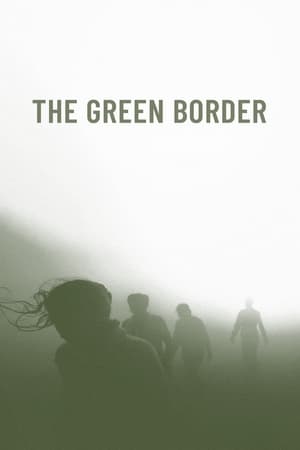
In the treacherous and swampy forests that make up the so called “green border” between Belarus and Poland, refugees from the Middle East and Africa trying to reach the European Union are trapped in a geopolitical crisis cynically engineered by Belarusian dictator Alexander Lukashenko. In an attempt to provoke Europe, refugees are lured to the border by propaganda promising easy passage to the EU. Pawns in this hidden war, the lives of Julia, a newly minted activist who has given up her comfortable life, Jan, a young border guard, and a Syrian family intertwine.
Wendy, a hardened immigration officer is offered a high-profile asylum case, judged on her ability to quickly and clinically reject applicants. Through her interrogation, she must uncover whether Haile is lying and has a more sinister reason for seeking asylum.
A widowed Greek fisherman and a teenage refugee form an emotional bond while sailing the azure waters of the Aegean Sea.
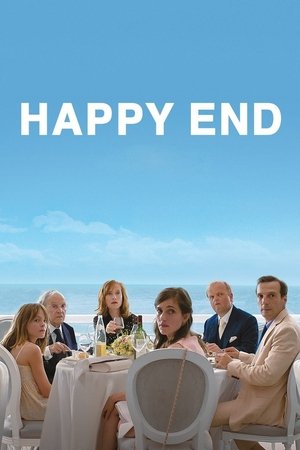
A well-to-do French family living in Calais deal with a series of setbacks and crises while paying little attention to the grim conditions in the refugee camps within a few miles of their home.
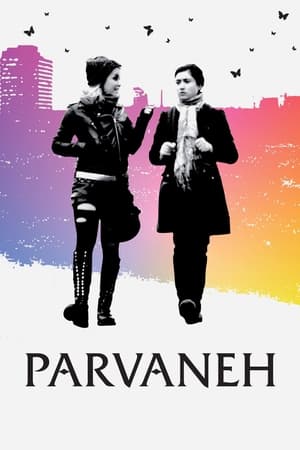
Parvaneh is a young Afghan immigrant who recently arrived at a transit centre for asylum seekers in the Swiss Alps. The only things she has got to know yet are the rural area surrounding the centre and the centre itself.
The story of a group of Cubans who arrived in Miami during the Mariel Boatlift and were housed in an improvised camp in the heart of the city. Everyone lived together —men and women, homosexuals and heterosexuals, separated only by cloth curtains that hung from ropes suspended between the beds, like floating walls.
O Refúgio
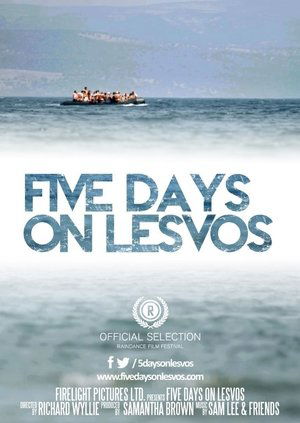
As politicians debate and argue, the men, women and children at the heart of the European immigration wave have found themselves caught in the midst of a humanitarian crisis. On the frontline is the Greek island of Lesvos – the first point of entry into Europe for over half of the refugees. One week at the end of August 2015 marked a tipping point in the crisis. More refugees arrived than ever before, volunteers were inundated and local infrastructure just couldn’t cope; trains were overflowing, refugees were dying in the back of lorries and on beaches, and politicians responded by closing borders and arguing about how to stem the tide of people. Filmed over just five days, this first-hand account of that dramatic week on Lesvos is seen through the eyes of the refugees and volunteers caught in the crisis.
An estimated 12 million people live in refugee camps worldwide and only 0.1% are resettled, repatriated, or integrated into normal society each year. The feature-length documentary.