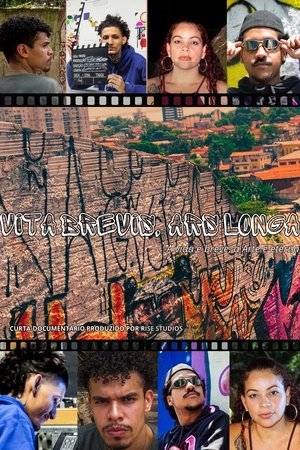
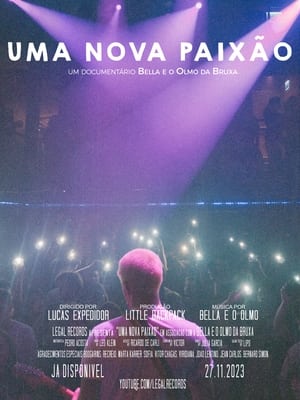
In the midst of a pandemic, government arbitrariness and the precariousness of Brazilian artists, the documentary shows how these four rappers resisted the difficulties of this period using only one weapon... music. Using plurality, creativity and cleverness, how did they produce music? What role did music play in this period? What did they have to do to stay alive as rappers?
Dusty, a Baltimore motorcycle builder, finalizes his shovelhead chopper named Gloria.
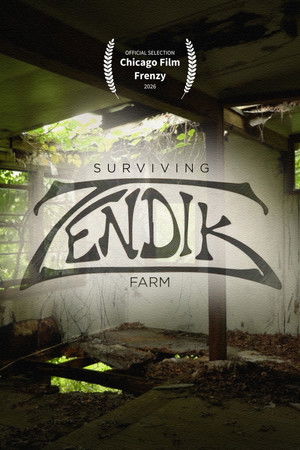
Former members of a utopian commune that rejected mainstream society as the "Death Culture" reckon with their past while rebuilding lives in the very world they were taught to despise.
An annual battle of Dresden’s culture of commemoration and the question of authority to interpret history breaks out.
Based on home movies shot on Super 8mm film, A Family Film places the mother at its center as the narrator while tracing the memories of a family living in Istanbul in the 70s.
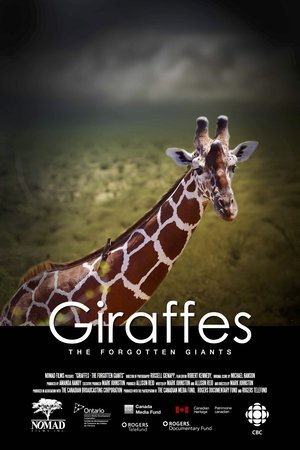
"Giraffes: The Forgotten Giants" delves into the reasons behind the "silent" extinction of giraffes worldwide, and introduces us to the scientists who are gathering new information that may stave off their decline.
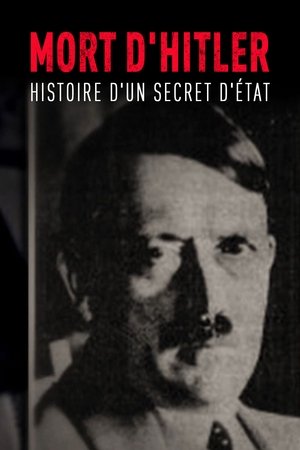
On April 30, 1945, while the Russian Army surrounded Berlin, Hitler committed suicide in his bunker. His body was discovered a few days later by the Soviets. He would be positively identified after a top secret inquest in which Hitler's personal dentist would play a central role. And yet, at the same time, Stalin publicly declared that his army was unable to find the Führer's body, choosing to let the wildest rumors develop and going so far as to accuse some of his Allies of having aided the monster's probable escape. What secrets were hidden behind this dissimulation? What happened then to the two ladies involved in the identification of Hitler’s body?
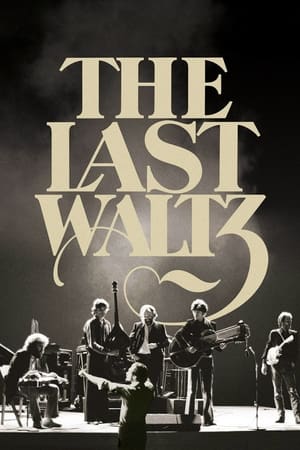
Martin Scorsese's documentary intertwines footage from The Band's incredible farewell tour with probing backstage interviews and featured performances by Eric Clapton, Bob Dylan, Joni Mitchell, Van Morrison, and other rock legends.
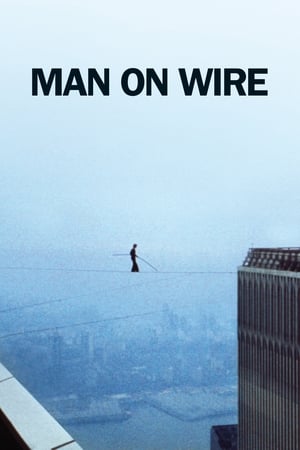
On August 7th 1974, French tightrope walker Philippe Petit stepped out on a high wire, illegally rigged between New York's World Trade Center twin towers, then the world's tallest buildings. After nearly an hour of performing on the wire, 1,350 feet above the sidewalks of Manhattan, he was arrested. This fun and spellbinding documentary chronicles Philippe Petit's "highest" achievement.
The multi-generational story of women’s football in South Africa through the ambitious Mamelodi Sundowns FC. The film follows the team as they battle it out at the inaugural CAF Women’s Champions League in Cairo.
Une chance sur un million
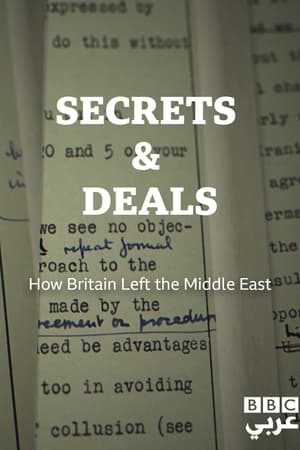
In 1971, Bahrain, Qatar and the UAE ceased to be part of Britain’s empire in the Middle East and became fully independent states. BBC News Persia and BBC Arabic collaborate in this gripping film, to uncover the secrets and shady deals that underpinned the decolonization process. From eye-witness accounts of a British-organised coup to Iran being left in control of disputed islands, it's a fascinating insight to a murky history.
A short behind the scenes documentary showing the creation of the short claymation film The Genie in a Ravioli Can (Le génie de la boîte de raviolis).
Mann vor wilder Landschaft
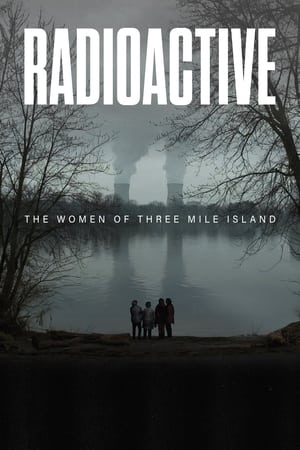
In this thrilling documentary, indomitable women fight back against the nuclear industry to expose one of the biggest cover-ups in US history: the 1979 Three Mile Island meltdown and its aftermath. The film reveals the never-before-told stories of four intrepid homemakers who take their case all the way to the Supreme Court, and a young female journalist who's caught in the radioactive crossfire.
'Hard Twist' is a documentary about the life of the famous western photographer, Barbara Van Cleve. Barbara is a fifth-generation Montanan with a century of family history going back to the early 1900s, when her family settled in the Crazy Mountain area. Upon their arrival in Montana, the Van Cleves began operating a dude ranch, where Barbara grew up and spent most of her summers as an adult. Barbara's story offers insight into a hardy western ranching lifestyle many have not experienced, with striking archive footage of early Montana. This film is not only about Barbara's life, but tells a story of how her family history was intertwined with the changing landscape of the West.
A short documentary exploring the UK’s 1970s approach to urban renewal through General Improvement Areas. Mixing location footage from Blackburn, Norwich, and Oxford with unexpectedly quirky presentation, the film contrasts small-scale housing improvements with the sweeping redevelopment schemes of the post-war era. Produced as a government public information film and shown at meetings between planners, architects, and residents, it stands as a modest, humane entry in Britain’s civic-minded documentary tradition.
On November 25, 1973, the first of four car-free Sundays transformed West Germany's deserted highways into spaces for walking, cycling, and horse-drawn carriages, while towns and cities took on a festive atmosphere. Introduced during the oil crisis to conserve fuel after the Arab oil embargo and production cuts following the Yom Kippur War, the measure became an unforgettable collective experience. Beyond the immediate energy shortage, the crisis marked a turning point, ending the postwar economic boom and encouraging greater awareness of energy use, consumerism, and environmental issues.
Uma Nova Paixão
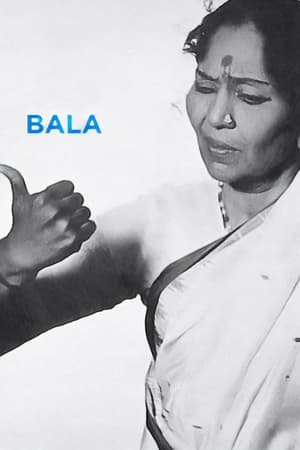
A documentary about the aging prima ballerina Balasaraswati (popularly known as "Bala"), the most famous exponent of the Bharatanatyam dance.