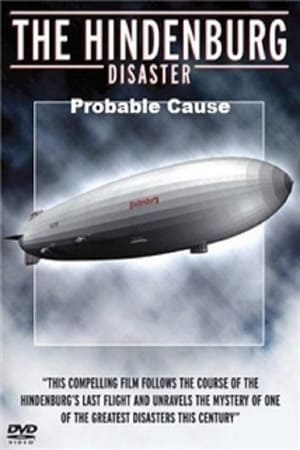
The Hindenburg Disaster: Probable Cause
In this documentary, survivors recall the catastrophic 2018 Camp Fire, which razed the town of Paradise and became California’s deadliest wildfire.
Sponsored by Seiberling Rubber Company, this public service film demonstrates the important points of winter driving. Shows how to start on slippery roads, what to do when stuck, how to manipulate a skidding car and the distances it takes to stop on icy roads.
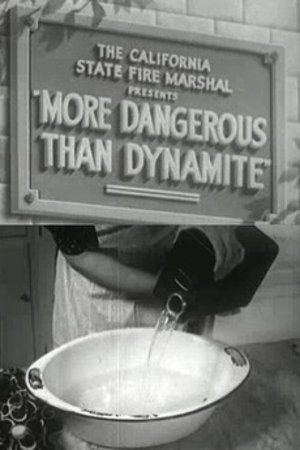
A short film warning the unaware housewife of the dangers of “dry cleaning” with gasoline at home.
What if from one day to the next, you’re no longer seen, but instead are stared at? The leading characters in this multi-layered film have ended up in a new world where suddenly nothing seems to align. In their new lives in the Netherlands, they unintentionally provoke reactions on a daily basis. Even after many years, they still hear the same questions over and over again: where are you from, do you speak Dutch, do you tan in the sun?
Vancouver s two leading authorities on sexism in the school system, Linfa Shuto and Reua Dexter, relate their opinions on the problem and some solutions that they are working on. The tape also includes a short historical look at women s position in education and a critical discussion on sex stereotype roles by Grade 6 students.
This 1974 film is dedicated by the Chlorine Institute to the public interest. It is specifically intended to assist firefighters and other emergency services. The techniques demonstrated are appropriate for emergency use; different circumstances might require modified or additional procedure. The information is drawn from sources believed to be reliable. The Institute, its members any organizations cooperating in the development of this film, jointly or severally, cannot be responsible for how the information is used and must make this legal disclaimer. This is a 1960s era, color movie about Chlorine and emergency workers… specifically, firefighters. The film is intended to show firefighters what chlorine is, what a chlorine emergency might involve, how a company can plan ahead and how an emergency can be handled safely.
Intercuts scenes from Jack London's To build a fire with modern urban and rural winter scenes to point out the dangers of winter storms and low temperatures. Designed to stimulate discussion on civil preparedness for winter storms.
Portrays the challenges of creating a film about nuclear disaster amid public apathy. It captures behind-the-scenes moments as the crew discusses the gravity of nuclear threats, the importance of preparation, and the emotional impact of a nuclear attack. The narrative emphasizes the need for individuals to take responsibility for their safety and community in the event of an attack, blending factual information with a call to action.
A surrealistic look at the future if man does not learn to control pollution.
The film highlights the dangers of extreme heat and the importance of staying hydrated and cool. It portrays a conversation between two friends, one of whom insists on playing basketball despite the oppressive heat. The narrative emphasizes that heat-related illnesses can be avoided by recognizing the body's signals and taking necessary precautions, such as drinking water and staying indoors. The film concludes with a report of record-breaking temperatures, underscoring the seriousness of heat exposure.
Aconteceu, virou Manchete! A História da Rede Manchete
After a devastating fire ravages a milking parlor, a family and its community rally together. This short documentary showcases a journey of resilience, as a family farm rises from the ashes into a new era of cutting-edge robotic technology. The film explores the innovation in modern agriculture, shedding light on the strength of farming communities and the power of perseverance in the face of adversity.
The film features a meeting led by Dave Taylor, the shelter manager, discussing the protocols and responsibilities for staff members involved in managing a public shelter. Key participants, including operations deputy Harvey Johnson and health leader Mrs. Carter, outline their roles in ensuring a smooth entry for occupants during an emergency. The meeting emphasizes the importance of organization, communication, and the distribution of supplies. Staff members are encouraged to familiarize themselves with each other's duties and prepare for potential scenarios, including managing newcomers and ensuring safety and sanitation within the shelter.
An exposed Cumbrian village by the sea surrounded by windmills, fields and factories provides a striking setting for this fairy tale of young love and the loss of childhood innocence. Over one year, the film follows the 9 year-old Laura Anne and her 11 year-old cousin, Steven as they move towards the end of their childhoods. The narrative is told in rhyme by the young female protagonist. As time passes and the seasons change, feelings and memories from all our childhoods are evoked and we wonder what time will make of Laura Anne and Steven.
Was the Brussels Innovation fire (1967) just a dramatic accident or was there more going on? Through exclusive interviews and edited archival material, a conspiracy theory is constructed in which the CIA and some property developers are assigned important roles. Despite the frivolous mysticism, there are many truths in this mockumentary!
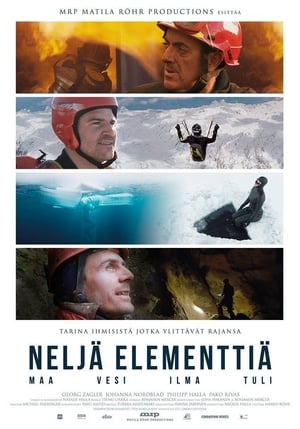
A journey into four classical elements through the four main characters of the film. The main characters in the movie represent each of their own elements.
Tunahaki is the extraordinary story of nine gifted orphans who are acrobats. We follow their journey as an American volunteer takes them from Africa to study with Cirque du Soleil in Las Vegas. They end up touring the States and raising hundreds of thousands of dollars, more than enough to build a permanent home. But how have the kids' experiences in America affected them? And how will it change things back home in Tanzania? Tunahaki's heartfelt journey gives us something new to ponder as we reach across the world to help those less fortunate—is it always the right thing to do?
A training film for public shelter managers explaining when people should be allowed to leave the shelter after a disaster.
Created in 1963 at the height of the Cold War, this Civil Defense training film uses a dramatic premise to show how emergency staff should manage and organize a large public fallout shelter during a crisis. A Shelter Manager is shown immediately taking control of the situation in the shelter, speaking calmly to those who have made it into the facility, closing the door promptly once the shelter is full, and sticking to the "shelter plan" as the situation unfolds. Some of the areas discussed in this nuclear war drama are the safety plan, regular inspections, supervised public entry into shelters, ventilation, first aid, sanitation, fire prevention, decontamination of personnel, and more. "Shelter living is different," the Manager states, "But we have a trained staff that will make your stay in this shelter livable for us all."