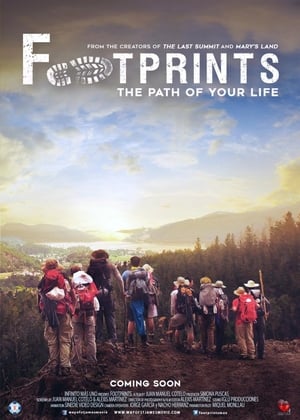
Footprints, the Path of Your Life
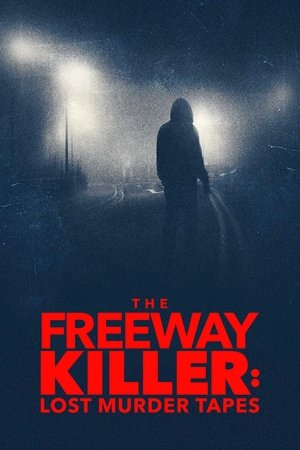
In 1970s California, a serial killer dumps young boys' bodies along the freeways. An L.A. street reporter on the case receives information that embroils him in the dilemma of a lifetime. Decades later, lost confession tapes help experts uncover the truth.
Antologia de l’atzar
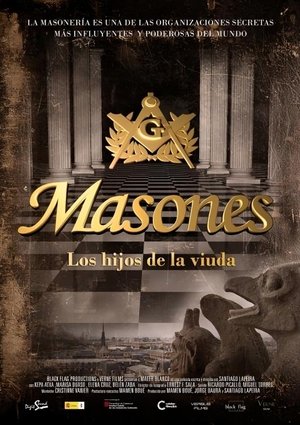
Masones: Los hijos de la viuda
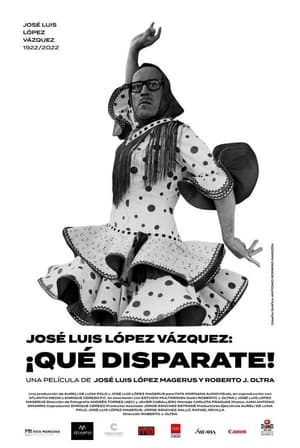
José Luis López Vázquez, an essential artist in the history of Spanish cinema, manages to find a late love that changes his life, after having a successful professional life for years, but a rather neglected personal life.
Dueño del tiempo
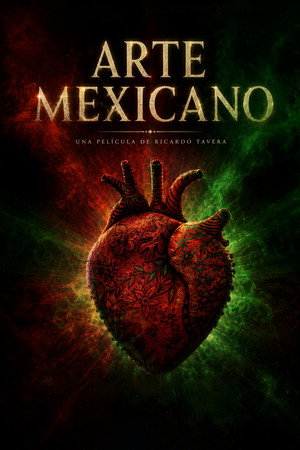
Arte Mexicano
TVM en Torres del Paine
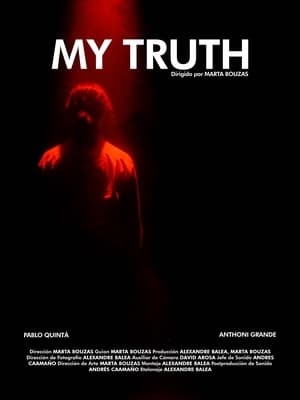
MY TRUTH
Revista 8 (Apuntes del 36 al 39)
Os suevos
Making of Pausa
El Camino
Audiovisual essay about walking through the streets of Lisbon. It explores discrimination and moving through spaces where one is not welcome.
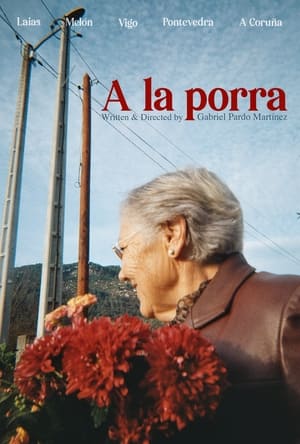
A la porra
Ale left her mother's house at the age of 12 because she felt she did not belong then, now at the age of 20 she lives in constant resilience. Realizing that she is repeating her mother's patterns, she embarks on a reflection of the decision-making power she now has.
At the age of 17, she had the opportunity to appear on television, but she didn't, due to her insecurities. Sylvia remembers it as the day she almost fulfilled her dream of being famous thanks to her own songs. Using a camera that was at her side at all times, she documented her entire life: her children's childhood, her days as a physical education teacher, family vacations, but above all the private moments, where she allowed herself to act, sing and talk to a public that was not there.
Arturo Urbiola, independent singer/songwriter, talks about the influence music has had on his life, it's impact, and what's in store for his artistic career after becoming a father.
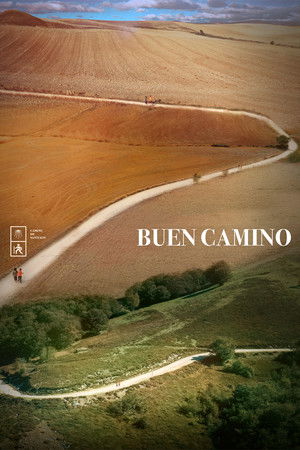
A visually impaired woman in her 50s and an 18-year-old girl walk the Camino de Santiago. The older woman, Jae-han, is a masseuse who can only make out the dim outlines of things. She is accompanied by a girl named Da-hee. Jae-han dreams of presenting her own style of flamenco in front of the Cathedral of Santiago de Compostela after completing the pilgrimage. However, the journey, which began with a vague longing, turns out to be much more difficult than either had expected.
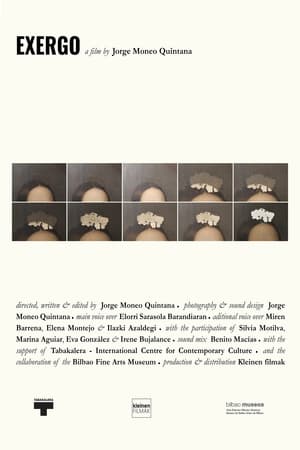
Departing from peripheral details of some paintings of the Bilbao Fine Arts Museum, a female narrator unravels several stories related to the economic, social and psychological conditions of past and current artists.