Christof Wackernagel, best known in Germany as an actor and former member of the Red Army Faction ("RAF") lives in Mali. In his compelling portrait, Jonas Grosch shows a man who simply cannot stand still if he senses injustice. The courage to stand up for one’s beliefs coupled with vanity? However one chooses to look at it, it is easy to imagine what made him connect with the "RAF". With his irrepressible will for freedom, Christof Wackernagel gets entangled in the horrors of day-to-day life in Africa.
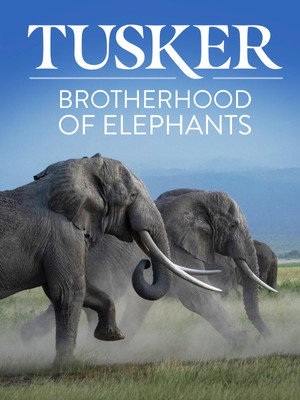
Against the backdrop of Mount Kilimanjaro, meet the majestic "super tuskers": male elephants that carry the wisdom of generations, whose tusks each weigh at least 100 pounds. Follow tuskers at different stages of life as they navigate the trials, transformations, and experiences that come with age and a shifting landscape.
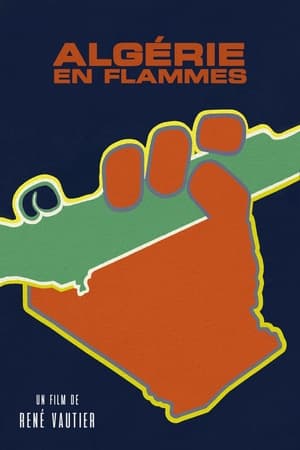
These are the first images shot in the ALN maquis, camera in hand, at the end of 1956 and in 1957. These war images taken in the Aurès-Nementchas are intended to be the basis of a dialogue between French and Algerians for peace in Algeria, by demonstrating the existence of an armed organization close to the people. Three versions of Algeria in Flames are produced: French, German and Arabic. From the end of the editing, the film circulates without any cuts throughout the world, except in France where the first screening takes place in the occupied Sorbonne in 1968. Certain images of the film have circulated and are found in films, in particular Algerian films. Because of the excitement caused by this film, he was forced to go into hiding for 25 months. After the declaration of independence, he founded the first Algerian Audiovisual Center.
Early 90s London gets a vibrant dose of African culture in this mini odyssey fusing dance, music and fashion.
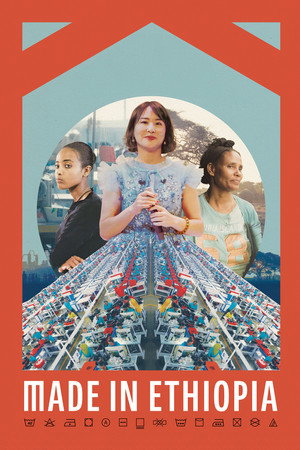
When a massive Chinese factory complex attempts a high-stakes expansion in rural Ethiopia, three women in search of prosperity have their faith in industrialization tested to the limit. Filmed over four years with singular access, Made in Ethiopia lifts the curtain on China’s historic but misunderstood impact on Africa, and explores contemporary Ethiopia at a moment of profound crisis. The film was awarded the Jury Special Mention at Tribeca Festival.
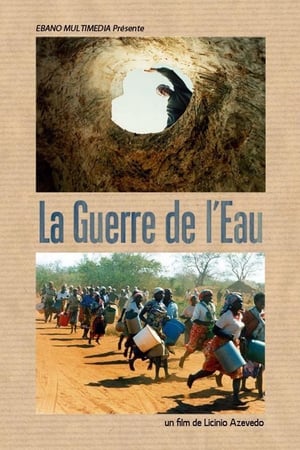
Four stories in a Mozambican village. Stories about a water can, a well that gets broken, a lonely hunter, and a bird that becomes a radio.
Actress Natalie Portman and renowned animal expert Jack Hanna delve deep into the rain forests of central Africa in search of the legendary and endangered mountain gorilla. With compelling footage of the gorillas in their jungle home, this episode of Animal Planet's Emmy Award-winning "Saving a Species" series is a striking and sobering assessment of the habits and habitats of one of the world's most fascinating animals.
Interweaving stories of Western collectors, Muslim traders, African artists and intellectuals, and the filmmakers themselves, the film focuses on a remarkable art dealer from Niger named Gabai Barre. It follows him all the way from the rural Ivory Coast to East Hampton, Long Island, where he bargains for a sale. The film shows how (through occasionally hilarious and frequently fantastic tales about the art objects) he adds economic value and changes the "meaning" of what he sells by interpreting and mediating between the cultural values of African producers and Western consumers.
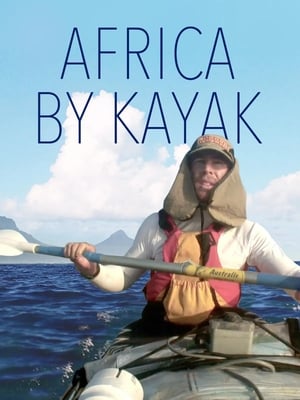
In 2007, Beau attempted to paddle 4000kms from one side of Africa to the other. Starting in Mozambique, he continued along the Southern African coast, allowing five months to complete the voyage. Battling surf, deep sea swell, and too many days waiting for the wind, Beau only completed 2000kms of the original plan.
A film about Mali's ancient culture, and this culture's position in the country today. Filmed with a Malian crew, cut to the beat of Malian music, the film offers an alluring mosaic of perspectives.
Giving voice to the voiceless: this was the revolution of Giorgio Lolli, a former worker and trade unionist from Bologna, self-taught technician of free radio stations. During his 40 years in Africa, he built over 500 radio stations from Togo to Mali, Senegal, Burkina Faso. With his company Solaire, he was the first to install FM radios using transmitters that anyone could afford, giving a voice to communities in the most isolated areas. The film follows his ‘disciple’ Abdrahmane Cissoko as he works to set up a radio station for young migrants on the border between Senegal, Mali and Mauritania. It ends with the birth of Radio Solaire Livorno, a pirate radio station for the multi-ethnic community in Tuscany.
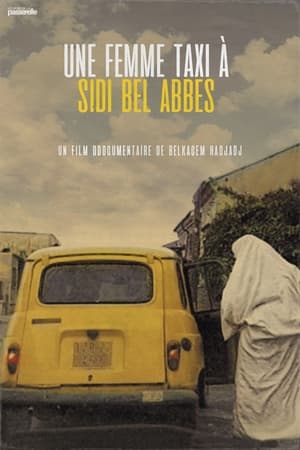
When her husband died Soumicha, mother of three, had to earn a living. She became the only woman taxi driver in Sidi Bel-Abbès, Algeria. This film accompanies Soumicha around a city where religious and political violence rages, and records her experiences in a job normally reserved for men.
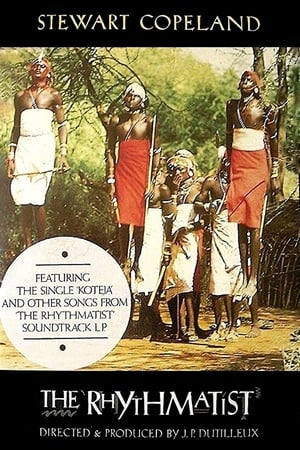
A musical oddessy through the heart of Africa in search of the roots of Rock & Roll.
Echoes of Lamu tells the story of Alpha ODH, a painter from Nairobi, who travels to Ubunfiu Lamu art center to inspire local children through art. His goal is to help them “cut” through reality to imagine and build their own world through painting. Alpha becomes a guide and creative companion. While the children decorate symbolic Aknuloonk sculptures with local patterns and stories, Alpha paints his own AKNEYE sculpture, slowly shifting from urban imagery to the colorful spirit of Lamu. Scenes of the village, its people, and the children’s hopes reveal a place full of contrast daily life and dreams, city and island, past and future. Step by step, Alpha’s artwork becomes a mirror of the journey they’ve all shared.
A documentary about investigators of the International Criminal Court trying to gather evidence of crimes committed in Africa.
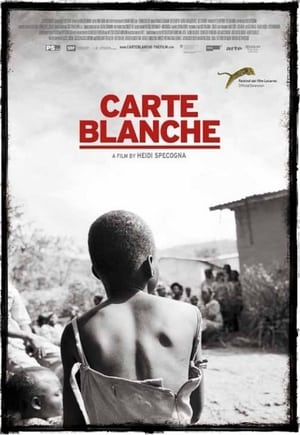
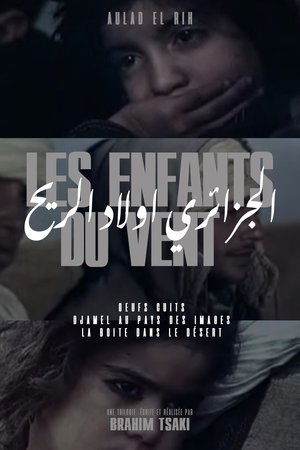
Three short films about abandoned children, left to the omnipotence of silence, of the eye and of the hand but also of abysmal loneliness
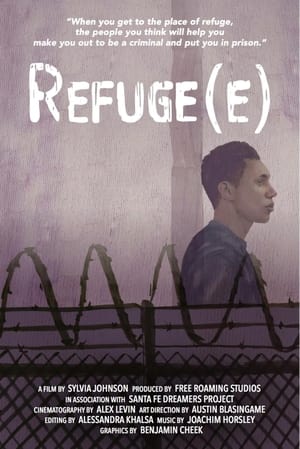
Refuge(e) traces the incredible journey of two refugees, Alpha and Zeferino. Each fled violent threats to their lives in their home countries and presented themselves at the US border asking for political asylum, only to be incarcerated in a for-profit prison for months on end without having committed any crime. Thousands more like them can't tell their stories.
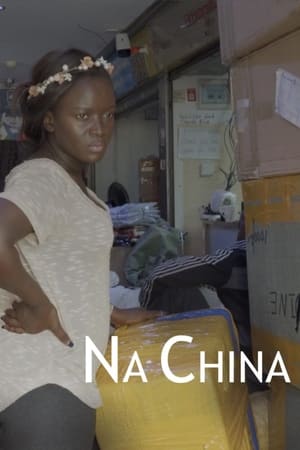
The implantation of African traders in Guangzhou is a recent phenomenon, on which Marie Voignier reports through her interlinking portraits of Jackie, Julie, Shanny who have come to set up their business on site. Amidst the monstrous accumulation of merchandise on the endless markets of the megacity, the film follows these African businesswomen grappling with the globalised Chinese economy.
Nature documentary about a young wildebeest in the wilderness of Africa. The gnu calf strays from the herd and comes upon a lioness that kidnaps it. Instinctively, it treats the lion like its mother. And miraculously enough, the lioness does not see the calf as its prey. Like a true Survivor, the calf manages to escape from the lion's den and find its way back to its real mother.
The film builds up a portrait of a great Sudanese film-maker, Gadalla Gubara. At eighty-seven, he is one of the pioneers of cinema in Africa. He has recently lost his sight but still continues to film life in Sudan as no one before him. Through his oeuvre, Gadalla reveals to us a Sudan both mysterious and misunderstood. Despite censorship and lack of financial support over sixty years, he has produced cinema that is independent and unique in a country where freedom of expression is a rare luxury.