In 1982, Wim Wenders asked 16 of his fellow directors to speak on the future of cinema, resulting in the film Room 666. Now, 40 years later, in Cannes, director Lubna Playoust asks Wim Wenders himself and a new generation of filmmakers (James Gray, Rebecca Zlotowski, Claire Denis, Olivier Assayas, Nadav Lapid, Asghar Farhadi, Alice Rohrwacher and more) the same question: “is cinema a language about to get lost, an art about to die?”
When World War II broke out, John Ford, in his forties, commissioned in the Naval Reserve, was put in charge of the Field Photographic Unit by Bill Donavan, director of the soon-to-be-OSS. During the war, Field Photo made at least 87 documentaries, many with Ford's signature attention to heroism and loss, and many from the point of view of the fighting soldier and sailor. Talking heads discuss Ford's life and personality, the ways that the war gave him fulfillment, and the ways that his war films embodied the same values and conflicts that his Hollywood films did. Among the films profiled are "Battle of Midway," "Torpedo Squadron," "Sexual Hygiene," and "December 7."
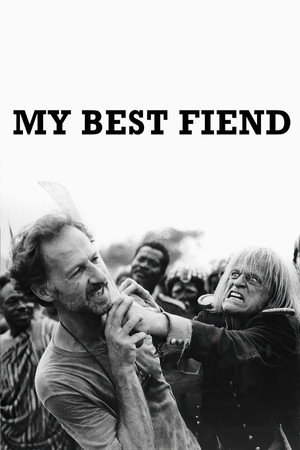
A film that describes the love-hate relationship between Werner Herzog and Klaus Kinski, the deep trust between the director and the actor, and their independently and simultaneously hatched plans to murder one another.
Acclaimed Finnish director Rauni Mollberg made several scandalous yet widely appreciated films. Former co-worker Veikko Aaltonen’s eye-opening documentary The Dinosaur looks at the relentless, often disturbing directing techniques behind Mollberg’s art and success.
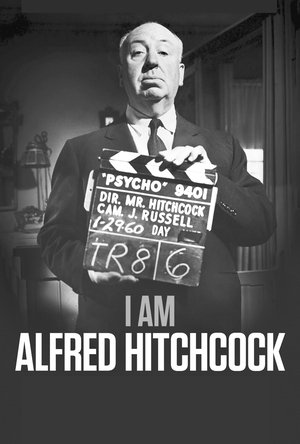
Hour long documentary on the legendary director.
Biography on the famous writer-director, Billy Wilder.
A television documentary on the life and career of British film director David Lean. Scenes of Lean directing are intercut with personal interviews in which the director explains his methods, the beginnings of his career, and his relationships with actors and actresses.
Portrait of director Andrey Zvyagintsev against the background of the filming of his film "Loveless".
Nagisa Oshima interviews Akira Kurosawa, leading him to share his thoughts about filmmaking, his life and works, and numerous anecdotes relating to his films and his various film activities.
Eleven major film makers from Europe, America and Asia talk about Akira Kurosawa and discover surprising influences on their own work.
Tim Burton : un monstre de cinéma
Composed from the conversations that the director holds with people passing by in the street under his Warsaw apartment, each story in 'The Balcony Movie' is unique and deals with the way we try to cope with life as individuals. All together, they create a self-portrait of contemporary human life, and the passers-by present a composite picture of today's world.
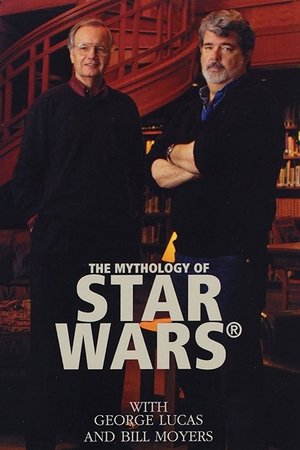
George Lucas discusses how Joseph Campbell and his concept of the Monomyth (aka the Hero's Journey) and other concepts from mythology and religion shaped the Star Wars saga.
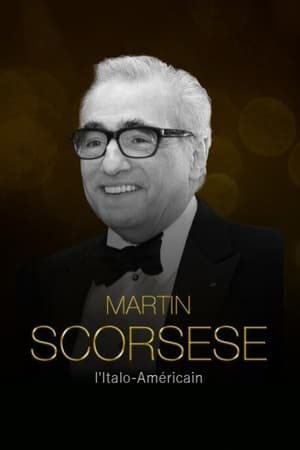
Martin Scorsese is the unchallenged master of the cinematic quest for Italian-American identity. He has etched the cinematic image of the Sicilian mafiosi and the reality of America with incredible actors like DiCaprio and De Niro.
The story of the cult horror empire through interviews with cast, crew, and horror icons such as Don Mancini, Brad Dourif, Jennifer Tilly, Catherine Hicks, Chris Sarandon, John Waters, Fiona Dourif, Perrey Reeves, Gerrit Graham, David Kirschner, and dozens more.
Federico Fellini died on October 31st, 1993. Thirty years later, he is still considered as one of the most irreverant moviemaker in the history of cinema. Through a long-previously-unseen interview, directed by Jean-Christophe Rosé in 1981, through extracts of his films and through behind-the-scenes, this documentary draws an intimate portrait of Fellini by himself.
A documentary on Teruo Ishii, the Japanese "King of Cult".
Jean-Luc Godard is synonymous with cinema. With the release of Breathless in 1960, he established himself overnight as a cinematic rebel and symbol for the era's progressive and anti-war youth. Sixty-two years and 140 films later, Godard is among the most renowned artists of all time, taught in every film school yet still shrouded in mystery. One of the founders of the French New Wave, political agitator, revolutionary misanthrope, film theorist and critic, the list of his descriptors goes on and on. Godard Cinema offers an opportunity for film lovers to look back at his career and the subjects and themes that obsessed him, while paying tribute to the ineffable essence of the most revered French director of all time.
Documentary about film director and actor Bernhard Wicki.
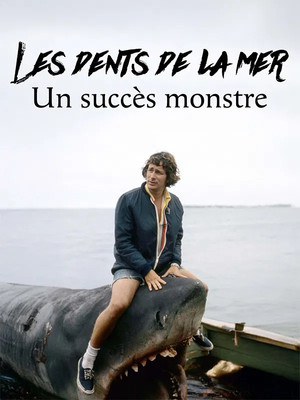
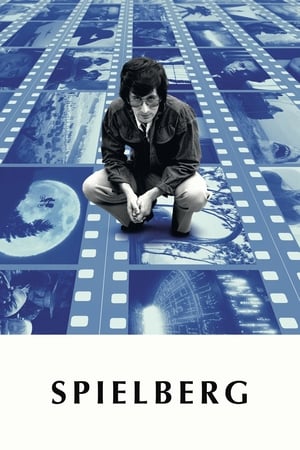
A documentary on the life and career of one of the most influential film directors of all time, Steven Spielberg.