The Road To Ironman follows Mauritz Eklund's inspiring journey as he prepares for an Ironman 70.3 triathlon. Throughout the series, Mauritz shares his motivations, training regimen, and the physical and mental challenges he faces. Each episode offers a glimpse into the dedication and perseverance required to achieve this monumental goal, capturing the highs and lows of his preparation. From intense workouts to moments of self-reflection, the series provides an authentic and motivating look at what it takes to become an Ironman.
A documentary about the cultural effect of film censorship, focusing on the tumultuous times of the teens and early 1920s in America.
Director Makoto Shinkai reminisces with his team about the production process of the animated film "5 Centimeters per Second" and shares memories at the filming locations. Screened with theatrical re-release of the film in 2026.
Canadian actor and filmmaker Connor Jessup (Closet Monster, Falling Skies) profiles Apichatpong Weerasethakul, a maverick of Thai cinema who explores the slippery nature of time and consciousness with a sublimely idiosyncratic, often surreal approach to film form.
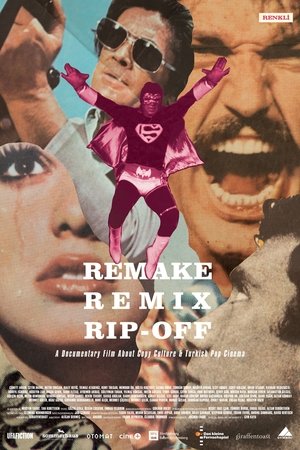
Turkey in the 1960s and 1970s was one of the biggest producers of film in the world. In order to keep up with the demand, screenwriters and directors were copying scripts and remaking movies from all over the world. This documentary visits the fastest working directors, the most practical cameramen and the most hardheaded actors to have a closer look into the country's tumultuous history of movie making.
Combines Eastern Illustrating and Publishing Company’s comprehensive collection of early 20th century photographs of rural New England and Upstate New York, with archival film footage, interviews, and oral histories. Combined, these stories and images illustrate an era unlike any other in American history.
Academy Award-winning screenwriter Robert Riskin headed up a secret film unit that sought to redefine America in the eyes of the world during the darkest days of World War II. The filmmakers created powerful short documentaries that showed America's strength not through images of tanks, but in portraits of farmers, school children and window washers. The "Projections of America" films were brilliant, moving portraits of America that were unlike any films ever made before, but seventy years later they are forgotten, hidden away in government archives.
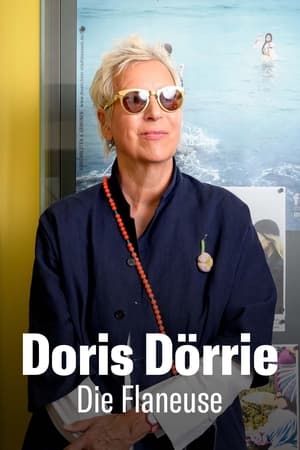
Why does Doris Dörrie have a bag on her head in the interview? Consistent in the sense that in her works she always poses the question of how we want to be perceived. Dörrie takes us through the most important stages of her life, her films, her work as a mentor and teacher, and also addresses existential themes: Identity, motherhood, her role as a woman. And she talks openly about fears, setbacks and crises, such as the untimely death of her partner and cameraman Helge Weindler. "Shut up and breathe", the advice of a Tibetan lama, carries her through life - even beyond the screen.
A listening journey into South Africa's stories and memories of the past, challenges of the present and dream of the future.
By letting go of the urge to control and embracing the unexpected, the creative process finds a new pulse. Thus, Gut Knows What Mind Does Not Understand aims to celebrate what emerges when we trust our intuition and the experiences the world offers us.
The evolution of adult cinema through the most influential films in history, a journey that begins in the 1970s and ends nowadays. An in-depth analysis of the success of the most prestigious erotic films, their impact on industry and society, and their influence on cinema and contemporary culture.
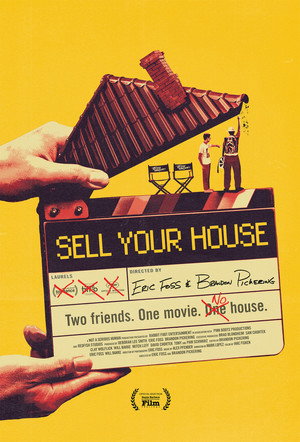
A first-time director convinces his best friend to sell his house in order to fund their debut feature film. Everything goes really well. A documentary following the making of "The Last Stop in Yuma County."
Jánošík ’21
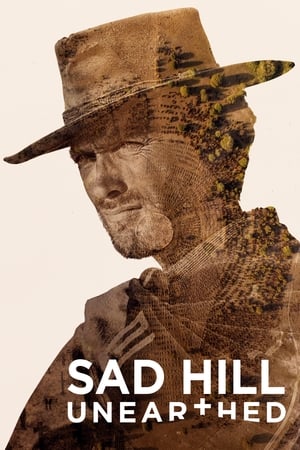
Province of Burgos, northern Spain, October 2015. A group of fans undertake the titanic task of restoring the location of the last scene of The Good, the Bad and the Ugly, the mythical spaghetti western directed by Italian filmmaker Sergio Leone in 1966.
A documentary about the making of the first series of "Red Dwarf" (1988).
A compilation of clips and interviews, originally broadcast on BBC2's Red Dwarf Night, celebrating the show's 10th anniversary in 1998, and subsequently included on the DVD release of Red Dwarf series II.
Disney animator Dan Lund documents the studio's decision to shut down its hand-drawn animation department and focus instead on computer-generated animation.
From "The Rocky Horror Picture Show" to "The Big Lebowski" and everything in between, this fascinating deep-dive documentary begins its celebration of the greatest cult movies of all-time discussing the birth of the midnight movie.
Negev Desert, Israel, 1987. Bashir Abu Rabi'a works as a pyrotechnics and special effects assistant on the film Rambo III, starring Sylvester Stallone, a shoot that will have far-reaching consequences for the local Bedouin population.
The summer of 1960 was a critical moment in the history of film, when the fly-on-the-wall documentary was born. The Camera that Changed the World tells the story of the filmmakers and ingenious engineers who led this revolution by building the first hand-held cameras that followed real life as it happened.