Pussy Riot make a comeback after a long absence to stand with Ukraine. Their story and their struggle are told through archival footage and interviews with the group’s members.
The extraordinary story of the 1971 Women’s World Cup, which was held in Mexico City and witnessed by more than 100,000 fans. This landmark tournament was dismissed by FIFA and written out of sports history – until now, with dazzling archival footage and interviews with the former players.
The story of those Italian women who, for eighty years, have fought against power in all its forms.
Inside the very first girls' school in a small Afghan village, education goes far beyond the classroom as the students discover the differences between the lives they were born into and the lives they dream of leading.
Behind The Looking Glass is a film about the lives of women whose partners have or want to ‘transition’. While we hear a great deal of “stunning and brave” stories of men, there is a deadly silence when it comes to the stories of the wives or partners. This film will be the first of its kind in collecting such experiences of women from around the world.
Three women share their experience of navigating the app-world in the metro city. The sharings reveal gendered battles as platform workers and the tiresome reality of gig-workers' identities against the absent bosses, masked behind their apps. Filmed in the streets of New Delhi, the protagonists share about their door-to-door gigs, the surveillance at their workplaces and the absence of accountability in the urban landscape.
The Burden of Virginity explores the deeply rooted traditions surrounding virginity in Uzbekistan, focusing on the expectations placed on brides to remain "pure" until their wedding day. The film follows the story of a young Uzbek woman who faces public humiliation and familial rejection after failing to prove her virginity. Her ordeal leads her to contemplate suicide, highlighting the extreme pressures imposed by societal customs.
Algériennes, Trente ans après
Cuerpos juzgados
We Iranian Women
Women’s voices rise to deliver testimonies of victims of sexual violence. By reconstructing a story with these fragments of experience, a societal portrait is painted throughout the documentary. Like a mosaic, the pieces stick together to build a unique story that could belong to any human.
After their mother's femicide, three siblings are separated and forced to live in different places. Years later they gather to raise their voices and fight to be made visible in a country where orphans for femicide are ignored by the state and invisible to society. It's up to them to tell their story.
María and Isabel are two women in their fifties who, like many others, recycle in Quito, where there is no recycling system. María leads a collective fight for basic labor rights; while Isabel transmits her knowledge of environmental care while she raises her daughters.
Diana, Ilana, Rona, Shelly, Rucha and Liat openly speak about their life in prostitution: from the initial lure, through learning the rules, to survival strategies. They present stories of independence, resourcefulness, pain and trauma, expressing an extreme feminine and human experience. Michaela (pseudonym) – a young woman currently engaged in prostitution, sounds off on the struggle to survive, turning her cellphone camera into a weapon. The women challenge what is expected of them – to be ashamed and conceal themselves.
On September 16, 2022, in Teheran, the murder by police of the young Mahsa Amini, arrested for "wearing a headscarf contrary to the law", sparked off an unprecedented insurrection. Within hours, a spontaneous movement formed around the rallying cry: "Woman, life, freedom". For the first time, women, joined by men and students, took the initiative and removed their veils, the hated symbol of the Islamic Republic. The Iranian population, from all regions and social categories, rose up in protest. Social networks went wild. The diaspora (between 5–8 million Iranians) took up the cause, and the whole world discovered the scale of this mobilization: could the theocratic regime be overthrown this time?
This film shows the work done by the "socorristas" feminist network. Through informative talks and stories about the actions of emotional containment these women have with others who need support, it seeks to eliminate the stigmas on abortions while also bringing out the reality of the clandestine abortion.
The women of Ghana have a reputation for independence. They, rather than the men, sit enthroned at the market stalls and run a large proportion of the nation's retail trade. But Ghanaian women are now thrusting even more vigorously into the arena of power and influence
Michelle Martin, Monique Olivier, and Karla Homolka shared the lives of fearsome pedophile predators with full knowledge of the facts and sometimes even participated in their crimes. They all have in common that they present themselves as victims, but the experts who testify in this report are far from sharing this vision.
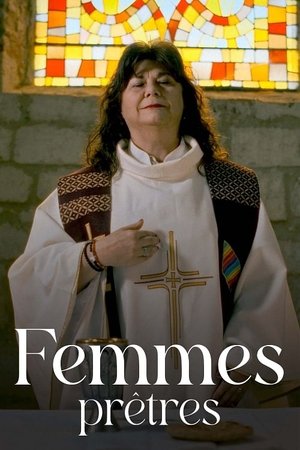
Documentary film about the controversial movement of women seeking ordination in the Roman Catholic Church. More and more women are answering a spiritual calling to take on the vestments of priesthood and seek equality in the religion they love. These daring women have risked banishment, loss of livelihood, and even excommunication to take part in what the Church calls illicit ordinations. The Vatican has vowed to end this threat to the male hierarchy, even forbidding the mere discussion of female priests. The papacy has reached a time of crisis and the controversy over women's role, and their place in the Church, must be addressed if the Vatican is to have any relevance in the 21st century.
Women talk about the circumstances that drove them to seek illegal abortions and the often traumatic result. Interwoven with historical photographs and newsreel footage, the stories expose how the reality of women's lives were counterposed to what was socially and morally expected of them.