After the death of Emperor Marcus Aurelius, his devious son takes power and demotes Maximus, one of Rome's most capable generals who Marcus preferred. Eventually, Maximus is forced to become a gladiator and battle to the death against other men for the amusement of paying audiences.
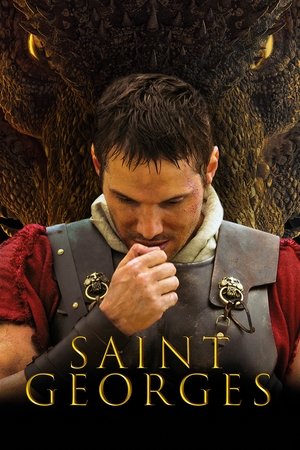
In order to buy a horse, a man wanders in the bazaars of Thessaly. His journey will take him further than he imagines, as old prophets, forgotten witches and vampire princes will find himself on his way.
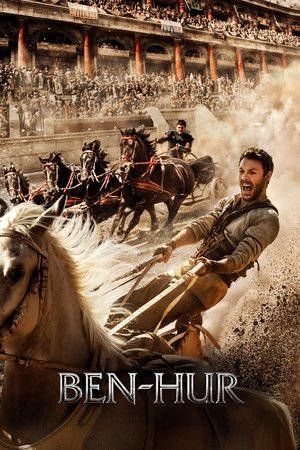
In ancient Judea, a Jewish aristocrat opposing Roman occupation of his homeland reunites with his childhood friend, now a Roman commander — setting in motion a saga of betrayal, adventure, tragedy, revenge, and faith.
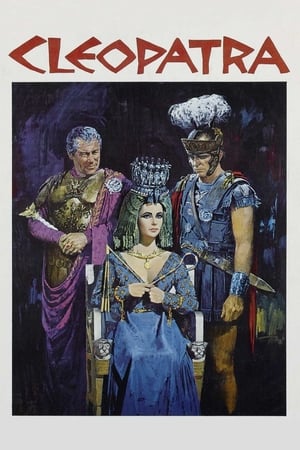
Determined to hold on to the throne, Cleopatra seduces the Roman emperor Julius Caesar. When Caesar is murdered, she redirects her attentions to his general, Marc Antony, who vows to take power—but Caesar’s successor has other plans.
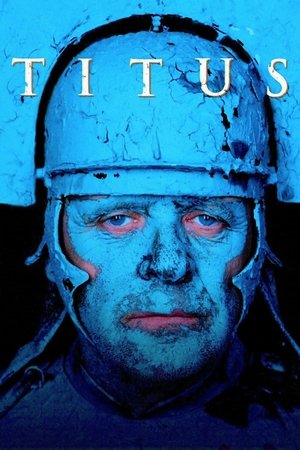
Titus Andronicus returns from the wars and sees his sons and daughters taken from him, one by one. Shakespeare's goriest and earliest tragedy.
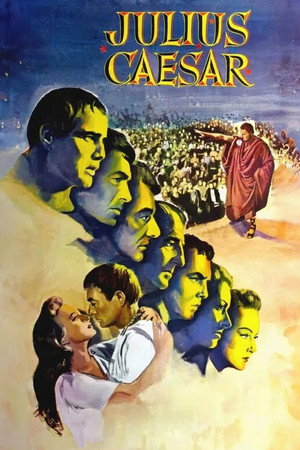
After Pompey's defeat at the Battle of Farsalia, Julius Caesar becomes the beacon of the Roman Republic and the master of its destiny; but many patricians want to avoid the birth of a tyranny and plot to assassinate him…
Old and ill, Augustus, the man who changed the fortunes and destiny of an empire by completing Julius Caesar's project, recounts the two most important phases of his life: his rise to power and his fight against the pressure of his family.
After fierce Roman commander Marcus Vinicius becomes infatuated with beautiful Christian hostage Lygia, he begins to question the tyrannical leadership of the despotic emperor Nero.
The rebellious Thracian Spartacus, born and raised a slave, is sold to Gladiator trainer Batiatus. After weeks of being trained to kill for the arena, Spartacus turns on his owners and leads the other slaves in rebellion. As the rebels move from town to town, their numbers swell as escaped slaves join their ranks. Under the leadership of Spartacus, they make their way to southern Italy, where they will cross the sea and return to their homes.
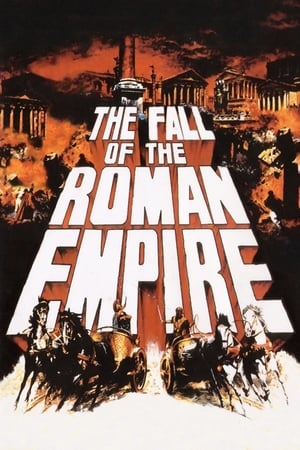
In the year 180 A.D. Germanic tribes are about to invade the Roman empire from the north. In the midst of this crisis ailing emperor Marcus Aurelius has to make a decision about his successor between his son Commodus, who is obsessed by power, and the loyal general Gaius Livius.
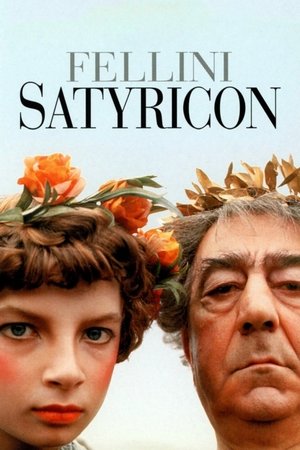
After his young lover, Gitone, leaves him for another man, Encolpio decides to kill himself, but a sudden earthquake destroys his home before he has a chance to do so. Now wandering around Rome in the time of Nero, Encolpio encounters one bizarre and surreal scene after another.
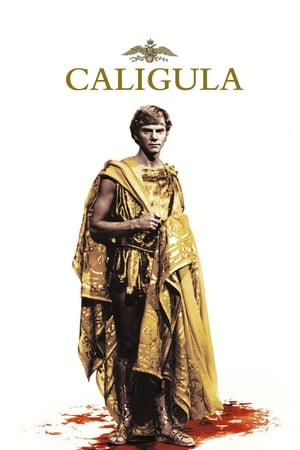
After the death of the paranoid emperor Tiberius, Caligula, his heir, seizes power and plunges the empire into a bloody spiral of madness and depravity.
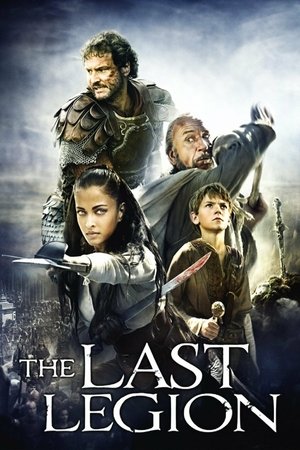
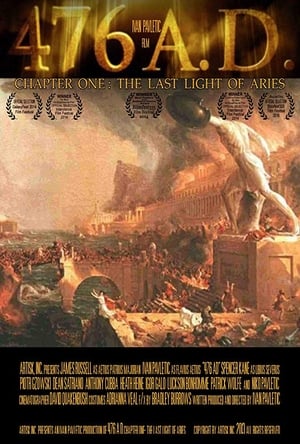
As the Roman empire crumbles, young Romulus Augustus flees the city and embarks on a perilous voyage to Britain to track down a legion of supporters.
After tragedy strikes a bustling London neighbourhood, disarray ensues, and our hero becomes lost to their pain. A cherub-like spectre soon appears, embodying the change the community desperately craves. All bear witness as winds of hope and unity take shape and the seeds are sown for their growth out of grief
The growing ambition of Julius Caesar is a source of major concern to his close friend Brutus. Cassius persuades him to participate in his plot to assassinate Caesar but both have sorely underestimated Mark Antony.
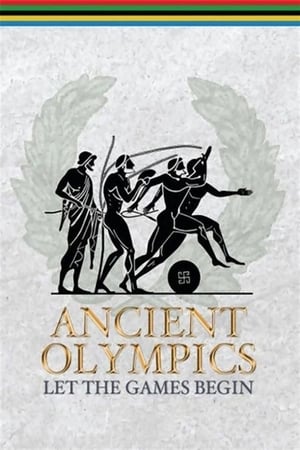
Come back with us to Ancient Greece, 2,500 Years ago to the original Olympic Games. The ancient Games, like our modern Olympics, included champions and cheaters, glory and scandals, bitter rivalries and contests of strength, speed and savage combat. Set in 448 BC when the pounding of horse's hooves and the brutal hand-to-hand combat could be heard and seen by the crowds that filled the Olympic stadium. This one-hour special event follows the glory and corruption of the arc of a single, five-day Olympiad. The competitions include chariot racing, running, jumping, discus, javelin and two man-to-man combat finals-boxing and pankration, a form of extreme fighting in which death was not uncommon. With the help of sports historians and great athletes such as George Chuvalo and Olympic medallists Donovan Bailey and Angela Schneider, viewers travel back to a very different life-in a very different world.
The great King of Dacia, Decebal (Decebalus), is disposed to make the ultimate sacrifice in order to keep the integrity of his people. His own son, Cotyso, is given to the god Zamolxis to the dismay of the King and his daughter Meda. Septimius Severus, a young Roman devoted to his adopted country, must make the choice between his blood origins and the culture he was introduced to.
The queen of Egypt barges the Nile and flirts with Mark Antony and Julius Caesar.
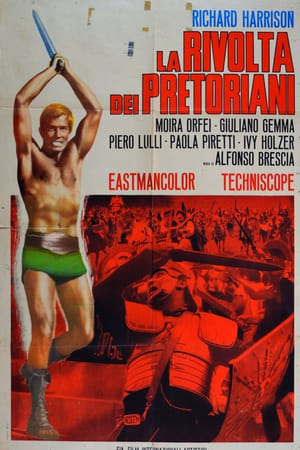
Rome chafes under the rule of the Emperor Domitian and his Egyptian mistress, Artamne. A mysterious champion arises to fight against the Emperor -- a masked man known as the Red Wolf. In fact, the Red Wolf is Valerius Rufus, one of the Emperor's trusted centurions who's aided by none other than the Emperor's court jester, the diminutive Elpidion. Rebels in league with Valerius kidnap Artamne, planning to exchange her for two of their imprisoned colleagues, but Artamne escapes and soon both Valerius, (now exposed as the Red Wolf), and his fiancee, Lucilla, are sentenced to be immersed in a cauldron of molten lead. Valerius's friends, however, rise up to rescue him and to liberate Rome.
The story picks up at the point where "The Robe" ends, following the martyrdom of Diana and Marcellus. Christ's robe is conveyed to Peter for safe-keeping, but the emperor Caligula wants it back to benefit from its powers. Marcellus' former slave Demetrius seeks to prevent this, and catches the eye of Messalina, wife to Caligula's uncle Claudius. Messalina tempts Demetrius, he winds up fighting in the arena, and wavers in his faith.