A Case Study: Cambodia and East Timor
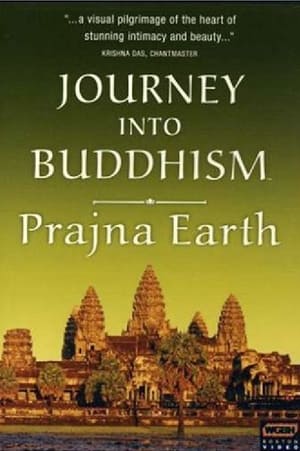
Prajna is the Sanskrit word for radiant wisdom, and yatra is the word for pilgrimage or spiritual journey. This visually stunning documentary is a cinematic pilgrimage exploring the lost civilization of Angkor in Cambodia, including the largest temple in the world, the magnificent Angkor Wat. The journey continues to sacred sites of the natural world, Hindu Bali, jungles of Java, and discovering Buddhist Borobudur. A John Bush film.
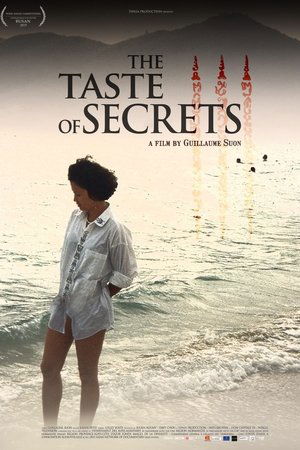
My mother always refused to speak about her childhood during the Cambodian genocide. Upset by her silence, my brother and I decide to follow Antoine, a grandson of Armenian genocide survivors, photographing the ghosts of his ancestors in the Middle East.
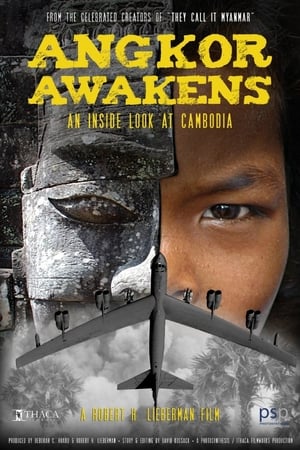
One of the mythic journeys of our time, through the exquisite, complicated, surprising terrain of Vietnam and Cambodia to the great ruins at Angkor - the magnificent Khmer temples being painstakingly restored deep in the Cambodian jungle. It is a high definition odyssey up a river far distanced in time from the corridor into the heart of darkness portrayed in Francis Coppola's "Apocalypse Now." In Angkor, the World Monuments Fund's John Stubbs and John Sanday describe their 15-year restoration of one of the jewels of a city called "the eighth wonder of the world." As we go inside the 12th Century temple complex of Preah Khan, along with the other major sites of Angkor Wat, Bayon and Banteay Srei, we learn that the story of their work in Angkor is not only a story of the rebirth of Angkor after the horrors of the Khmer Rouge Era, but it also is a story of the rebirth of Cambodia.
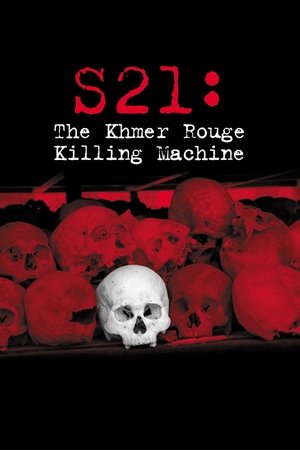
Documentary of the S-21 genocide prison in Phnom Penh with interviews of prisoners and guards. On the search for reasons why this could have happened.
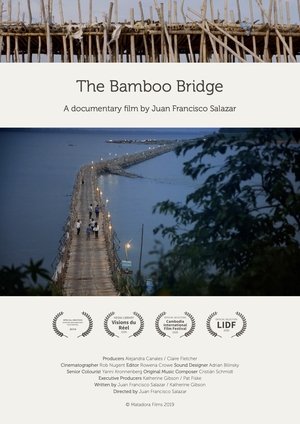
This documentary looks at the stories that take place around a unique 1.5 kilometre long bamboo bridge that for generations has been built every year following the rhythms of nature across the Mekong River to join the rural community of Koh Paen to the city of Kampong Cham in Cambodia.
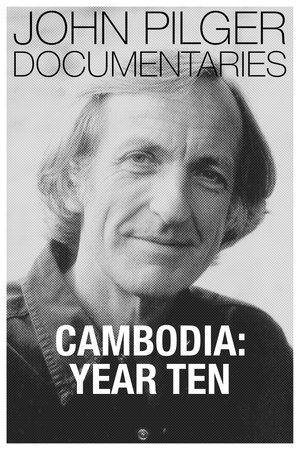
The film, shot at the end of 1991 at the time of Norodom Sihanouk's return to Cambodia, questions the Cambodian people and explores the horrors and effects of the Khmer Rouge on them and what future they may look forward to
In 1972, during Cambodia's civil war, a sandstone statue was torn from the age-old Koh Ker temple. Measuring 1.58m high and weighing 110 kilos, it depicts a prince and belongs to a collection that retraces the epic of the Mahabharata. The sculpture was first sold at auction in London in 1975, via a strange British art dealer based in Bangkok, and reappeared in 2011 at Sotheby's in New York with a bid of $2.5 million. A sale that was ultimately prohibited. In the meantime, experts from the École française d'Extrême-Orient, an American lawyer commissioned by Phnom Penh and UNESCO mobilized the Heritage Police across the Atlantic to denounce the theft of a cultural asset. In 2013, the work was returned to Cambodia. A captivating investigation into the international mafia of antiquities trafficking.
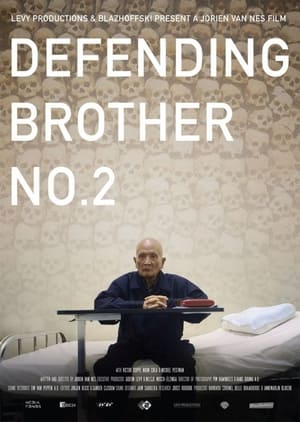
Two Dutch lawyers, Michiel Pestman and Victor Koppe, travel to Cambodia in 2011 to defend Nuon Chea in an international tribunal. Nuon Chea, also known as Brother No. 2, was the second man after Pol Pot in the Khmer Rouge regime. He is being charged with mass murder and crimes against humanity. For four years, the documentary follows the lawyers in their attempt to give this man a fair trial, but the UN tribunal is beset by local interests and a government which consists partly of other former members of the Khmer Rouge who would really like all of the blame to rest solely on the defendant. What should've been the crowning achievement in the careers of the lawyers turns out very different.
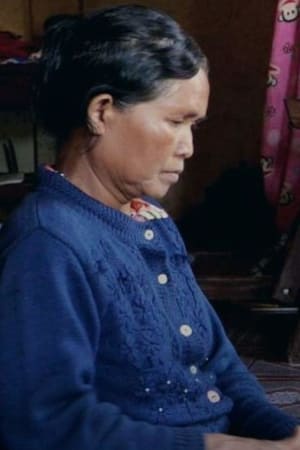
Through daily routines in a rural village, an indigenous elder couple recall their strange marriage to their grand-daughter, and sometimes to each other, in the changing rhythm of nature around them.
A moving psychological portrait of Cambodia decades after a devastating genocide, examining how baksbat (Khmer for "broken courage") continues to impact modern Cambodia.
Aki Ra joined Pol Pot's murderous Khmer Rouge army at the age of nine. Twenty years later he roams the minefields of Cambodia in search of redemption. Armed only with a stick and a pocketknife Aki seeks out and destroys some of the six million landmines that infect his home. Shot in minefields, this film contains footage that reveals just how dangerous Aki Ra's obsession is.
This is the original version of the much heralded "Raising The Bamboo Curtain" narrated and produced by legendary travel filmmaker Rick Ray. (Rick later sold partial rights to this program to another producer who hired Martin Sheen to narrate - that cut down and rewritten version is not the same). Sneaking his cameras past Burmese and Cambodian customs officials and getting around the country to produce one of the best travel docs ever made, Rick has outdone himself - again!
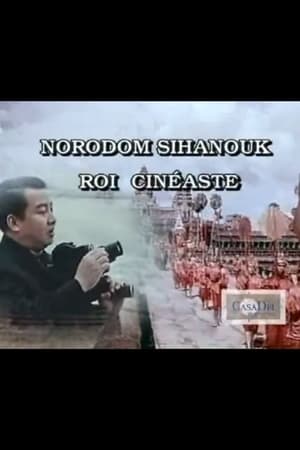
Profile of the Cambodian King Norodom Sihanouk, at the head of a country that has experienced colonization, the wars of the 20th century and the tragic period of the Khmers Rouge.
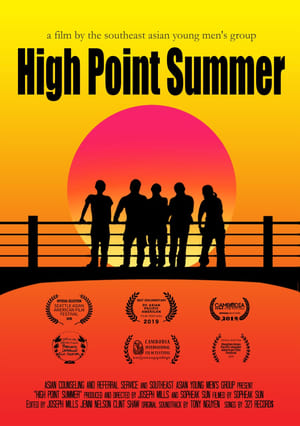
It's Seattle 2006: A refugee teenager from Cambodia begins recording a video diary early in the summer to explain the meaning of "thug life." But ultimately his summer is defined by tragedy. Awarded Best Documentary at the DC Asian Pacific American Film Festival 2019
Cambodian refugee Ted Ngoy builds a multi-million dollar empire by baking America's favourite pastry: the doughnut.
The Khmer Rouge slaughtered nearly two million people in the late 1970s. Yet the Killing Fields of Cambodia remain unexplained. Until now. Enter Thet Sambath, an unassuming, yet cunning, investigative journalist who spends a decade of his life gaining the trust of the men and women who perpetrated the massacres. From the foot soldiers who slit throats to Pol Pot's right-hand man, the notorious Brother Number Two, Sambath records shocking testimony never before seen or heard. Having neglected his own family for years, Sambath's work comes at a price. But his is a personal mission. He lost his parents and his siblings in the Killing Fields. Amidst his journey to discover why his family died, we come to understand for the first time the real story of Cambodia's tragedy.
1989. An examination of how the UN protected and revitalised the Khmer Rouge.
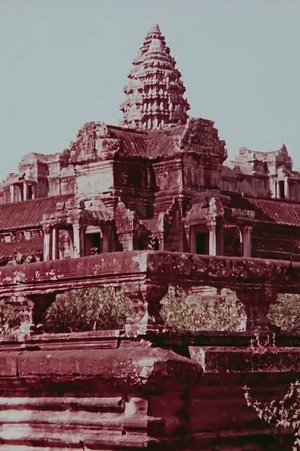
The film directed by V. Starošas tells about Angkor, a huge complex of temples, palaces, water reservoirs and canals in Cambodia, built in the jungle in the 9th-13th centuries.
In okay bye-bye, so named for what Cambodian children shouted to the U.S. ambassador in 1975 as he took the last helicopter out of Phnom Phenh in advance of the Khmer Rouge, Rebecca Baron explores the relationship of history to memory. She questions whether, "image and memory can occupy the same space." Building on excerpts from letters, found super-8 footage of an unidentified Cambodian man, iconographic photographs from the Vietnam War and other partial images, Baron combines epistolary narrative, memoir, journalism, and official histories to question whether something as monumental as the genocidal slaughter of Cambodians during the Pol Pot regime can be examined effectively with traditional methodologies.