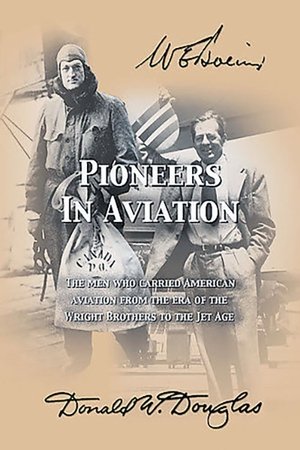
The series covers the life and work of leading science fiction authors of the last couple of centuries. It depicts how they predicted and, accordingly, influenced the development of scientific advancements by inspiring many readers to assist in transforming those futuristic visions into everyday reality.
Paranormal Frequency investigates the paranormal in all its forms. Celebrity guests will join lead investigators Draven DeSpain and Dwight Turner in never-before-seen paranormal experiments. Expect the Unexpected.
Through interviews with historians, architects, archaeologists and local organizations, this documentary series describes the history of Casablanca, from its origins to the present day.
Constructing Australia
The fascinating stories of the families behind the food that built America, those who used brains, muscle, blood, sweat and tears to get to America's heart through its stomach, those who invented new technologies and helped win wars.
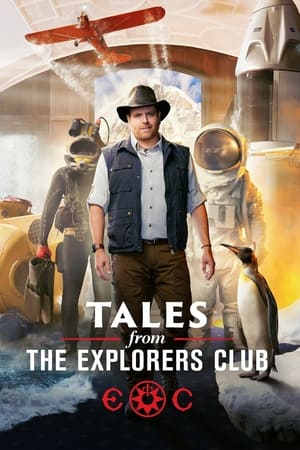
Adventurer Josh Gates travels through history on a search to uncover new evidence and answers to the world’s most captivating and unexplained mysteries.
A murder that obsessed the nation, and a disappearance that's mystified police for 50 years. Is the son of victim Sandra Rivett about to solve the case of the fugitive aristocrat?
The great story of our country. About the people and forces that shaped it - from the Ice Age to the present day. Simon J Berger is the narrator of the series. The program series consists of ten parts and is based on reconstructions of historical events and people. Over 300 experts have contributed to the content and 100 of them appear in the series. The series' signature melody is composed by Ludwig Göransson and Per-Gunnar Juliusson.
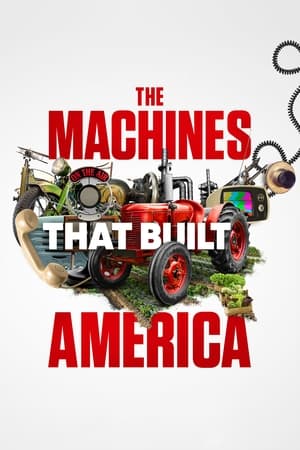
The stories behind innovations such as TV, radio, phones, airplanes, motorcycles and power tools as well as the inventors including Nikola Tesla, William Harley, Alexander Graham Bell, Duncan Black and Alonzo Decker.
In four chapters, largely based on and illustrated with archaeological finds and sites, Neil Oliver explains how, as far as is known, the Iron Age Celtic tribes known as the Ancient Britains evolved and entered European civilization. Their internecine tribal phase was warlike and partitioned. Overseas contacts, especially metal trade, brought wealth and progress. Ultimately, it attracted the superior Roman empire, which would conquer and pacify Britain into a province, like Gaul shortly before, but Caesar's invasion wasn't the definitive annexation yet, that was left to emperor Claudius; even afterward some Celtic traits and even rebellions remained.
David Dimbleby examines the power, wealth and survival of the institution at the heart of our national life: the monarchy.
2005 : État d'urgence
Afrique(s), une autre histoire du XXème siècle
Each episode looks back at the news and events of a particular year, using news archive footage, along with subtitles as the means of narration, to recount notable Irish and international events of the time.
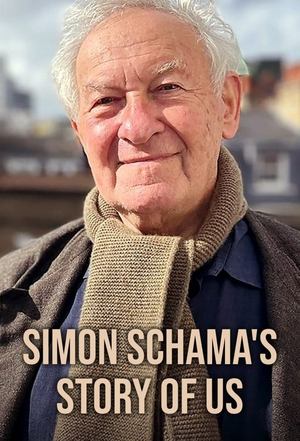
Art and culture define us - but in an age of change, who are we now? In divided times, Simon Schama asks whether art, music and words can be the threads that bind us together.
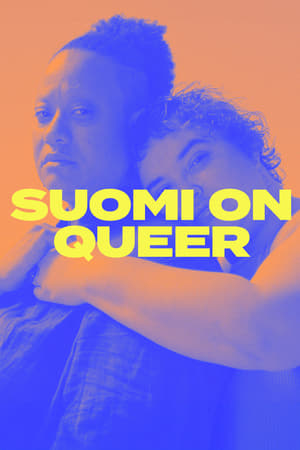
Finland is Queer - Queer history of Finland
It is said to be one of the oldest books in the world. Has it been altered? If yes why? A remarkable journey back in time to see what the Old Testament and the New Testament is hiding from us.
Series using the Rank Organisation's "Look at Life" documentary shorts to examine British society during the 1960s.
The year 2024 is the 10th year of the Grand Canal's successful application for World Heritage. In order to spread the pulse of the times when the thousand-year-old Grand Canal flows to the current day, and polish the Chinese cultural card, "The Grand Canal" opens a new chapter of documentary on the Grand Canal. The scholars from various fields and young talent representatives organize into a "Canal Visiting Group" and embark on a journey along the Canal, and each episode will bring them together in a city along the Canal. Through in-depth field visits, "Shining Night" with local characteristics, and in-depth chats about the "Opening of the Canal", the "Canal Visiting Group" will lead the audience to experience the blending of the Canal's history and modernity, and present the long-standing and well-established cultural essence of the Canal to everyone.
Covering the ancient world through the age of technology, this illustrated lecture by Eugen Weber presents a tapestry of political and social events woven with many strands — religion, industry, agriculture, demography, government, economics, and art. A visual feast of over 2,700 images from the Metropolitan Museum of Art portrays key events that shaped the development of Western thought, culture, and tradition.