This film creates a real-life epic of boyhood and manhood that follows the same individual over 20 years, living in one of the most dangerous countries in the world. When we first meet Mir, he is a mischievous boy of seven living in a cave in central Afghanistan alongside the Buddhas of Bamiyan, two statues that were recently destroyed. For two decades, the film follows the adventures of his life, until, as an adult with a family of his own, he decides to pursue his own career as a news cameraman in Kabul. More than just a personal journey, My Childhood, My Country is an powerful examination of what has – and has not – been achieved in Afghanistan over the past 20 years.
The Soviet Army Prepares for Action in Afghanistan is derived from four shots of a Soviet film called Heirs of Victory (1975) which commemorates the Allied triumph over fascism in World War II. The original film celebrates the military might of the USSR in images of explosions and armed men leaping through flames. These images are subjected to such thorough manipulation that they become patterns flickering like a multitude of abstract paintings, with digital smears standing in for squeegee marks and brush strokes. Slowly the shots become less abstract until they are completely recognizable, though still somehow rather surreal.
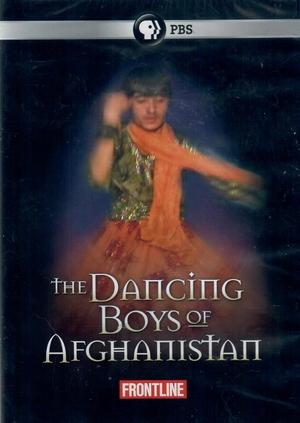
In Afghanistan many hundreds of boys, often as young as ten, are being lured off the streets on the promise of a new life.
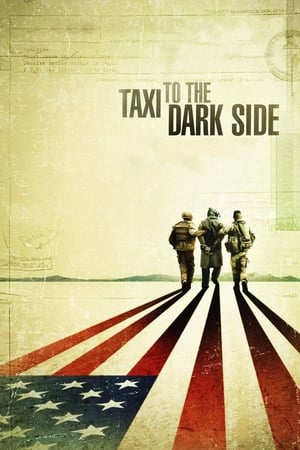
An in-depth look at the torture practices of the United States in Afghanistan, Iraq and Guantanamo Bay, focusing on an innocent taxi driver in Afghanistan who was tortured and killed in 2002.
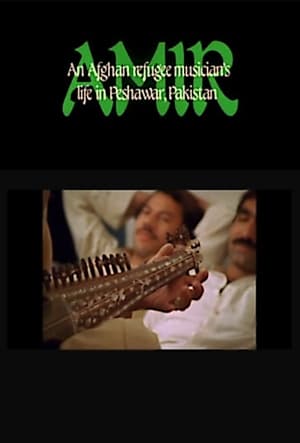
Amir, shot during the height of the Afghan civil war in the 1980s, investigates and portrays the life of Afghan refugees living in and around the city of Peshawar in northern Pakistan through the experiences of the musician Amir. The aspirations of Afghan refugees are expressed through their political songs dealing with the civil war in Afghanistan, with exile, with Afghan nationalism and with the Islamic revolution. In highly charged and tragic circumstances, music can be used in very direct ways, both to promote solidarity and as an agent of catharsis.
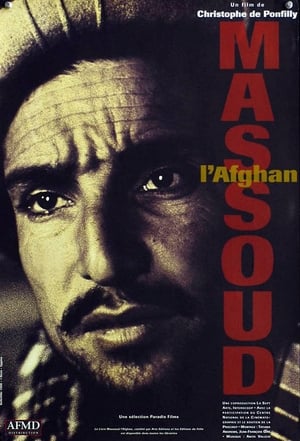
The friendship between Christophe de Ponfilly and Commander Massoud, a legendary figure of the Afghan resistance against the Soviet invader, goes back to the filmmaker's first film, "A Valley Against an Empire", made in 1981. Fifteen years later, weakened, isolated, betrayed by many of his own, the "Lion of Panshir" has not surrendered to his new and implacable enemies, the Taliban. While preparing his next offensive, he evokes his commitment and his fights, and bears witness to a history in which he has been one of the main actors for twenty years. At the same time, the director questions the role and power of the media, as well as his own approach as a filmmaker. Commander Massoud was killed in an attack in September 2001.
16 Days in Afghanistan is a documentary that documents the state of Afghan people after the fall of the Taliban.
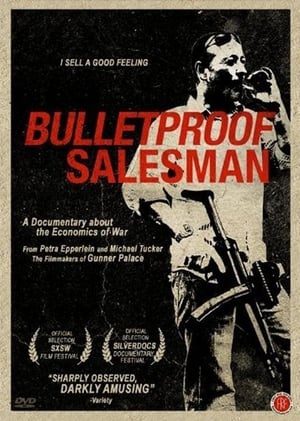
Fidelis Cloer is a self-confessed war profiteer who found The Perfect War when the US invaded Iraq. It wasn't about selling a dozen cars, or even a hundred, it was a thousand-car war where security would become the ultimate product.
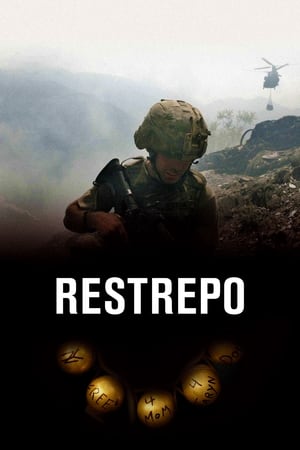
Directors Hetherington and Junger spend a year with the 2nd Battalion of the United States Army located in one of Afghanistan's most dangerous valleys. The documentary provides insight and empathy on how to win the battle through hard work, deadly gunfights and mutual friendships while the unit must push back the Taliban.
Filmed on location in Saskatchewan from the Qu'Appelle Valley to Hudson Bay, the documentary traces the filmmaker's quest for her Native foremothers in spite of the reluctance to speak about Native roots on the part of her relatives. The film articulates Métis women's experience with racism in both current and historical context, and examines the forces that pushed them into the shadows.
The mission: Capture US and NATO forces on camera giving food, water, clothing, blankets, and medical supplies to widows and orphans in refugee camps and villages of Afghanistan.
Siempre te llevo conmigo
A look back at the years leading up to the fall of Kabul and the perilous evacuation of civilians trapped inside the embassy in the hours following the Taliban's takeover of the country.
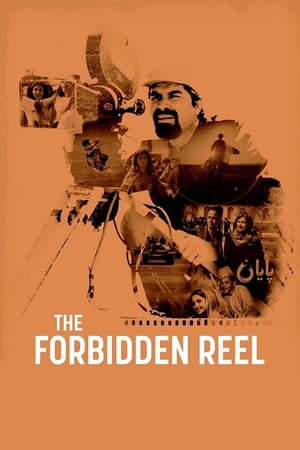
According to the official history of Afghanistan, ruthless destruction has always prevailed over art and creation; but there is another tale to be told, the forgotten account of a diverse and progressive country, seen through the lens of innovative filmmakers, a story that survives thanks to a few brave Afghans, a small but very passionate group that secretly fought to save a huge film archive that was constantly menaced by war and religious fanaticism.
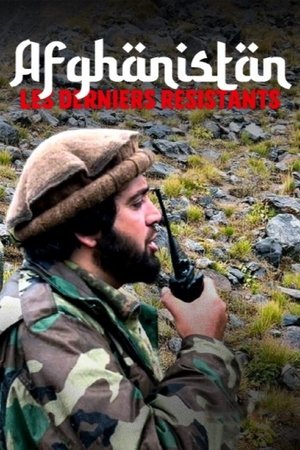
Afghanistan : les derniers résistants
Five Afghan men try to reach Europe. The filmmakers followed them for over six months, filming their clandestine journey and chronicling a migration combining fantasy and stark reality, setbacks and achievements, in the midst of the dangers of such trips.
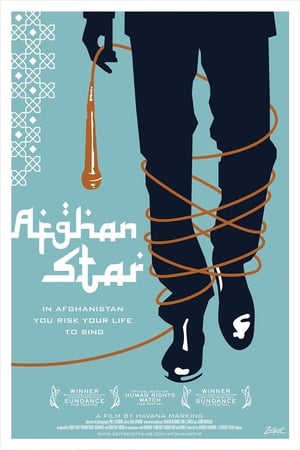
This documentary on the effect the talent competition "Afghan Star" has on the incredibly diverse inhabitants of Afghanistan affords a glimpse into a country rarely seen. Contestants risk their lives to appear on the television show that is a raging success with the public and also monitored closely by the government.
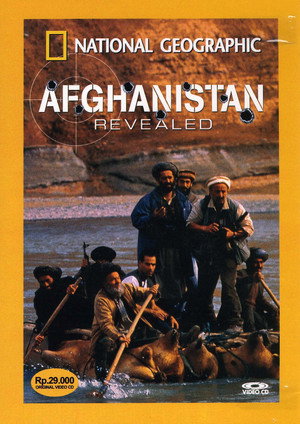
Take a harrowing journey with author Sebastian Junger and photographer Reza deep into Afghanistan for an in-depth interview with the assassinated resistance leader, Ahmed Shah Massoud. With never-before-seen footage, Afghanistan Revealed explores this war-torn country and the lives of its people as they continue their struggle against the Taliban.
On August 15, 2021, Afghanistan descends into chaos. In one day, the completion of the withdrawal of Western forces precipitated the debacle of the regime in place: the army vanished, the leaders fled and the Taliban took Kabul without a fight. The great Central Asian country opens a new chapter in its tragic history, twenty years after the "war on terror" launched by George W. Bush in response to the attacks of September 11, 2001. The undisputed masters of 40 million trapped Afghans, the "students of religion" are back and are savoring their revenge by posing as the United States' victors. Their program will surprise no one: to restore the Islamic emirate and set up the "true" sharia, i.e. a perfect world, with divine commandments applied to the letter as in the time of the prophet.
Ditadura Reservada