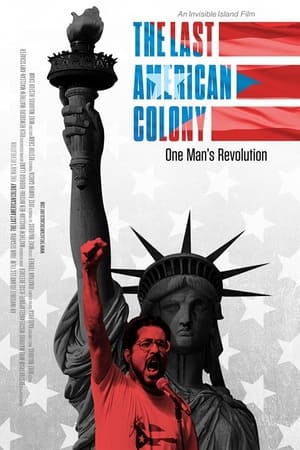
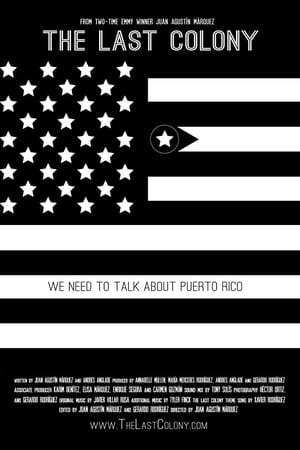
Two tons of snow—flown from New Hampshire to Puerto Rico in 1952 in order to “gift” Puerto Ricans a “white Christmas”—become a metaphor for the colonialist paternalism of America’s relationship to Puerto Rico.
David Attenborough tells the revealing story of this Caribbean island's exotic but vulnerable wildlife. A team of conservation champions are making it their mission to save the most precious species. We see how Puerto Rican parrots, manatees and turtles are now making a comeback.
Rhesus Monkeys of Santiago Island, Puerto Rico" (1966) is an in-depth documentary that explores the establishment and subsequent study of a rhesus monkey colony on Cayo Santiago, a small island located off the southeastern coast of Puerto Rico. This colony, established by the National Institutes of Health (NIH), serves as a significant site for research into the social behavior and population ecology of rhesus monkeys (Macaca mulatta).
Guillermo Gómez Álvarez explores the identity politics of Puerto Rico via archival footage from various sources that clash with nine original songs from local independent musicians and a thematic analysis from a psychoanalyst and a historian. From the juxtaposition the absurd becomes coherent and the coherent becomes absurd as Puerto Rican identity is defined and rejected almost simultaneously.
What is "la escena" (the scene) and what is its importance, if any? Guillermo Gómez Álvarez tries to answer these questions with candid interviews from musicians and fans of the vibrant and, many times controversial, punk music scene in Puerto Rico. The decadence, rage, drugs, alcohol, politics, and social aspects are showcased in this documentary that tells an important part of the history of the great dysfunctional family that is "el punk boricua".
As Puerto Rico falls deeper and deeper into an unprecedented crisis this is Vietnam’s story, a community or barrio located on the coast of Guaynabo fighting an illegal expropriation at the hands of a career politician. Their experience echoes the island’s current struggle with; an unparalleled migration, a notion of progress fueled by corruption, crippling economic debt, displaced poor and middle class families whose land is being purchased by millionaires, and the slow to non-existent reconstruction of infrastructure after Hurricane Maria.
Puerto Rico, the last relic of colonization in the western hemisphere, has been a dependent territory of the USA since 1917. Los Macheteros and one of its leaders Juan Segarra have been fighting for its full independence for many decades.
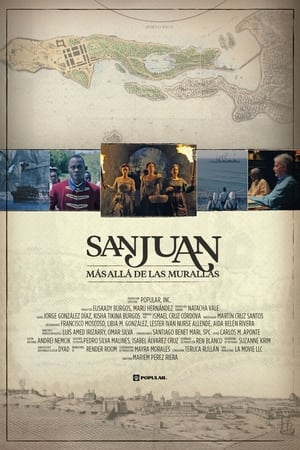
Explore the 500-year history of the city of San Juan, from the move from Caparra to the different invasions during these centuries. It also looks at how different situations and people were key to what is now the capital of Puerto Rico. This documentary presents, through the recreation of key situations, archival material, and accounts of historians and researchers, decisive moments that influenced what is now the capital.
A reflection Puerto Rican’s initial reaction to the aftermath of hurricane Maria captured through interviews filmed two months into the chaos and footage gathered from people’s phones, cameras, and any form of recording.
At Arecibo Observatory in Puerto Rico, Eliana Nossa studies the ionosphere. This short films tells the story of Columbian researcher Eliana Nossa as she explains her study of the ever-changing universe, Arecibo's technology and data, and her role as a woman among her male colleagues. She studies the ionospheric irregularities that impact terrestrial communication.
At Arecibo Observatory in Puerto Rico, “Near Earth Asteroids: Dr. Anne Virkki” tells the story of Research Scientist Anne Virkki and her ongoing studies on asteroids and their threat to humanity. Originally from Finland, Anne Virkki shares her experience in education as well as her studies on asteroids, including her work hunting and tracking asteroids headed for Earth.
Alessandra Pacini, solar physicist and mother of two, has dedicated her life to researching our sun and its relation to the rest of our solar system. Traveling across the globe with her family, from Finland to Puerto Rico, Alessandra is on a mission to discover the great mysteries of our solar system.
We Are Still Here is a student-made documentary from the University of Puerto Rico, Mayagüez campus (UPRM) about the lives and experiences of the Peñolanos from Barrio Rucio and adjacent communities who have resisted generations of adversities due to their geographical location and at the hands of the Puerto Rican government. Centered on resistance and collective care among communities, this inaugural documentary produced by the Oral History Lab at UPRM and funded by the National Endowment for the Humanities showcases how community work by projects like Aula en la Montaña and organizations like Impacto Juventud GC Inc. demonstrate that strength lies in union and that true healing occurs through mutual accompaniment between community and volunteers.
Nuestra Isla Nuestro Encanto
Documentary on the mass sterilization of Puerto Rican women during the 1950s and '60s.
At least we're alive. Humberto.
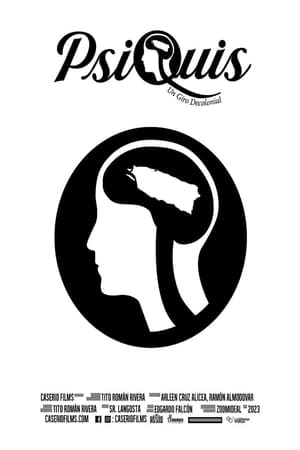
PsiQuis: Un Giro Decolonial is a documentary that presents and discusses the psychological impact that colonialism has had on the Puerto Rican people. The director analyzes the traumas generated in Puerto Rican society by that colonial experience.
A close look at Puerto Rico's unique relationship with the United States.
Several Puerto Rican Christmas tunes are performed on screen by Juan Rivera, Juan Ortiz Vargas, José Ramón Morales, and the Morgado Brothers.
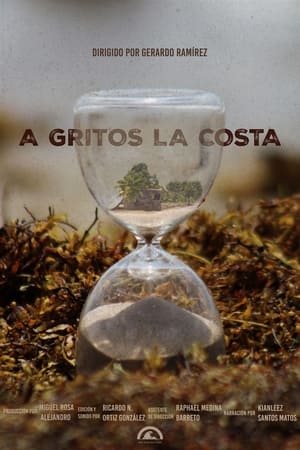
A documentary that reflects on the vision of 'progress' that governments cling to in times of climate change, focusing on the personal and collective experience lived in Puerto Rico after Hurricane Maria struck the island in 2017.