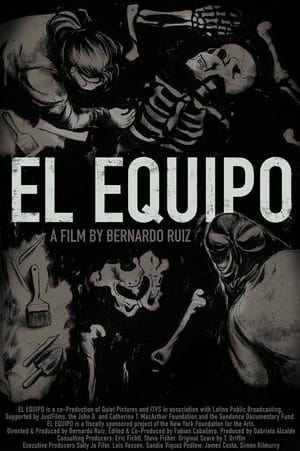
An unlikely collaboration between a forensic scientist from Texas and a group of Latin American students changes the course of forensic science and international human rights.
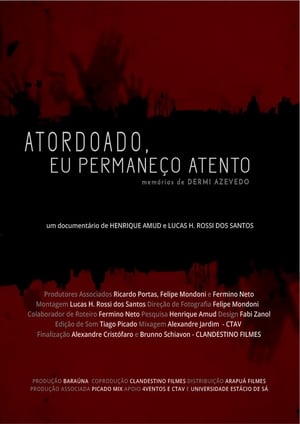
Journalist Dermi Azevedo has never stopped fighting for human rights and now, three decades after the end of the military dictatorship in Brazil, he's witnessing the return of those same practices.
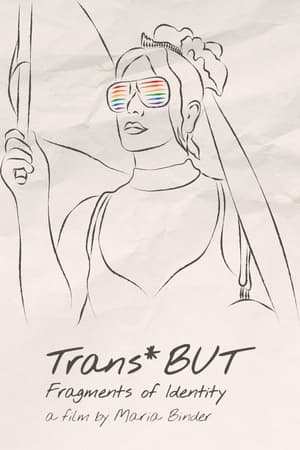
Fragmentary perspectives on Human Rights and transgender (trans*) People in Turkey. What remains at the place where a murder happened? What constitutes trans* life? How to cope with daily violence and hatred? We begin to search for traces. We follow the tracks of resistance and survival. We are collectors of the expelled. We gather fragments of trans* lives inspired by texts of Nazim Hikmet, Foucault, Benjamin and Zeki Müren. Trans*BUT is a documental research study driven by the question: “What keeps you going when all else falls away?”
The documentary begins when the fictionalized drama ends. Sara spent three years volunteering to save refugees on the same journey that made her so famous, and was suddenly arrested in Aug. 2018, accused by Greek authorities of running a criminal enterprise with charges including “international espionage and people smuggling.” If convicted, she faces up to 25 years in prison and the end of her humanitarian career. Shot over three years, the film follows Sara’s fight for justice and journey of self-discovery.
A girl from St. Petersburg walks around protest-ridden Moscow, talking to riot police and believing that sooner or later they will go over to the side of the demonstrators. An 18-year-old student of a St. Petersburg college introduces herself as Alice and tells about herself that from the age of four she lived in an orphanage and in foster families. In Moscow, Alisa, for whom this is the first rally in her life, walks along the police cordons and looks under the OMON helmet. "Under the mask you can't see, are you even human?"
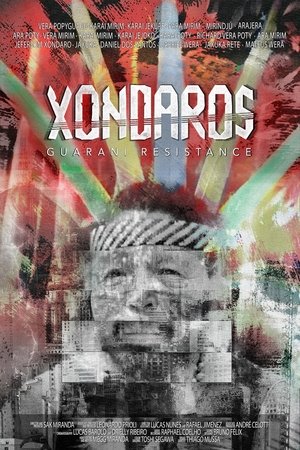
The 6 Guarani villages of Jaraguá, in São Paulo, fight for land rights, for human rights and for the preservation of nature. They suffer from the proximity to the city, which brings lack of resources, pollution of rivers and springs, racism, police violence, fires, lack of infrastructure and sanitation, among others. Unable to live like their ancestors, their millenary culture is lost as it merges with the urban culture.
In a context marked by exploitation and clandestine labour, a group of farm workers are promised work under contract and fair conditions during the orange harvest in southern Italy. After only five days, they are forced to stop picking and wait in the orange grove for new instructions.
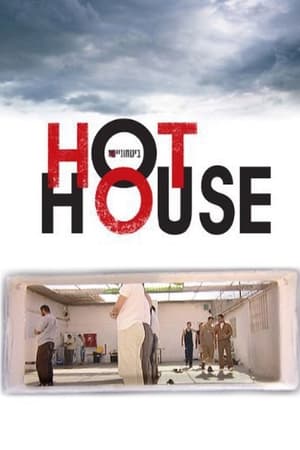
In a candid and unflinching portrait of Palestinian prisoners, Shimon Dotan takes viewers inside the highest security prisons in Israel where thousands of Palestinians fill these detention facilities.
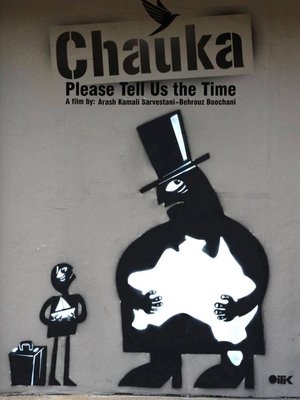
An urgent and powerful documentary, shot in a detention centre where asylum seekers trying to reach Australian shores are indefinitely detained. Secretly shot on a mobile phone by Iranian journalist Behrouz Boochani while detained on Manus, in Papua New Guinea, the film is a collaboration with Dutch-Iranian filmmaker Arash Kamali Sarvestani. Boochani recounts, via the testimonies of fellow inmates, the abuse and violence inflicted and the precarious state of limbo they find themselves in. Chauka, the name of the dreaded solitary confinement unit within the detention centre, was originally the name of a beautiful bird and symbol of the Manus Island. By interweaving dialogue with two Manusian men and shots of daily life on the island, the film gives a much-needed voice to Manus inhabitants, understandably distressed by the current situation. With marked restraint, the film exposes lives broken by shocking immigration policies.
In a mix of 2D animation and live action, through their voices and acting, two actresses recount the lives of imprisoned women that opposed the Russian Regime and their emotional stories of suffering and anguish.
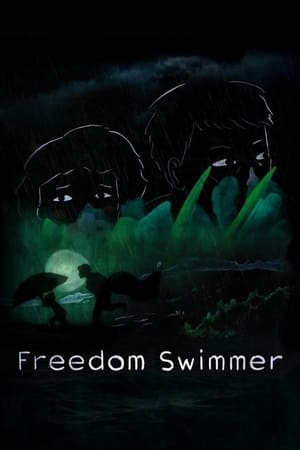
Olivia Martin McGuire (China Love) parallels a grandfather’s journey to safety during the Cultural Revolution with his granddaughter’s fight for freedom in Hong Kong today. Interweaving unflinching testimony of the elder’s exodus from the Chinese mainland, exquisitely animated recreations of the perilous escape to Hong Kong through land and sea, and vivid, evocative archival footage of both mid-20th-century China and the Hong Kong protests today, Freedom Swimmer emerges as a gripping and timely account of the struggle for survival across generations.
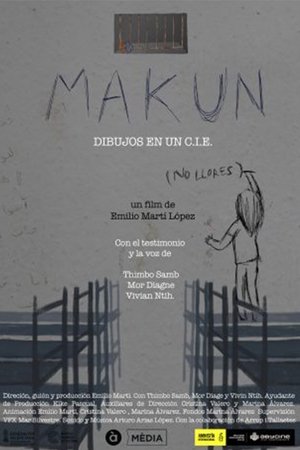
Makun (no llores) - Dibujos en un CIE
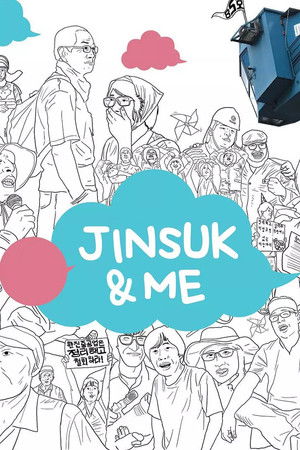
I have been pretty satisfied with my life before I got on the bus. When I do in June 2011, my whole life turns upside down. I am just a regular passenger at first. Like other people I was sorry, and felt obliged to help and care for other passengers. Then I begin to film these common heroes with my camera. Those who speak about hope, who provide it and get on the bus, Ms. Kim Jin-suk, and other crane laborers who risk their safety while demonstrating for their rights on high. She, while stationed insecurely on high, begins interacting with the world through Twitter and makes friends. Then I realize I really love her. Will we have her back safely?
A film about the Tibetan Freedom Concert in San Francisco in 1996.
Quien dice patria dice muerte
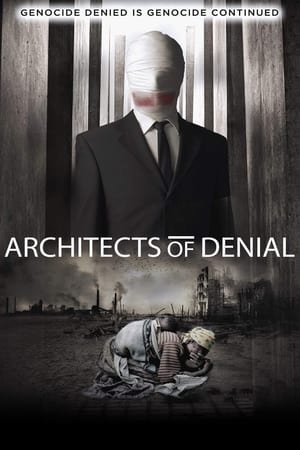
Though both the historical and modern-day persecution of Armenians and other Christians is relatively uncovered in the mainstream media and not on the radar of many average Americans, it is a subject that has gotten far more attention in recent years.
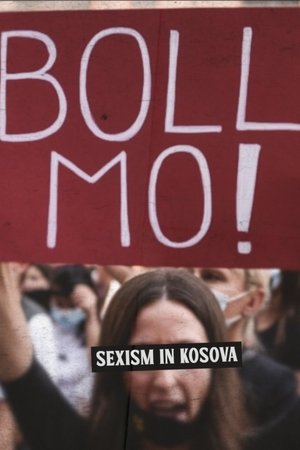
A documentary exploring sexism and patriarchy in Kosova.
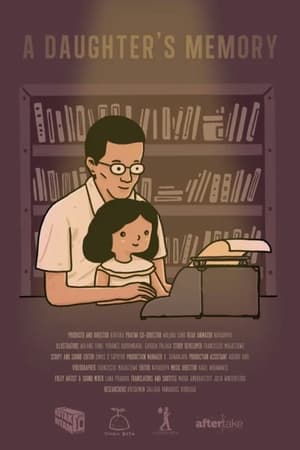
Indonesia, 1965: hundreds and even thousands of people are arrested without warrant. Some did come back, the others lost without trace. Svet, one of the survivors of the Indonesian dark history recounts the memory she had of her father, whom she believes to be responsible for the 1965 tragedy.
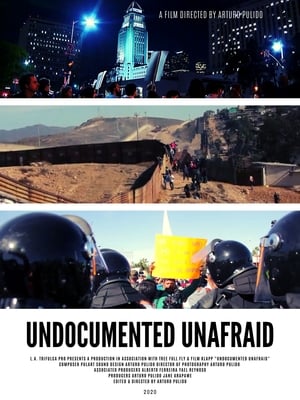
On the brink of social collapse, the city of Los Angeles is full of protests in favor of immigrants and against deportations under the administration of Trump. On the border with Mexico, thousands of people try to cross every day.
Documentary showing that "gun control" has historically been used to disarm citizens and make them helpless before governments commit genocide. Dramatically covers major genocides in the Soviet Union, Germany, Uganda, Rwanda, China, Turkey, and other countries.Shows how "gun control" in the U.S. has been used to victimize blacks, Indians, children, women, and others.Combines gut-level emotional appeal and fast-paced, powerful graphics with a cool statement of historic facts and quotes from the relevant laws. - Written by Claire Wolfe