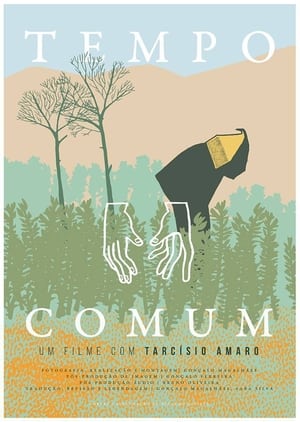
The film follows Tarcísio Amaro, a retired miner living in the vicinity of Serra da Estrela, interweaving thoughts on the past and the present, and looking at the decline of rural life in the deserted Portuguese hinterland.
The Secrets of Life series (1934-50) may not conform to modern expectations of nature filmmaking, inclined as it is towards giving cute fluffy creatures human names and characteristics. But it couldn't be accused of shielding kiddies from the harsher realities of the food chain, as this exercise in ruthless Darwinism demonstrates to unintentionally hilarious effect. A more than usually eccentric narrator introduces us to the newborn bunny quartet of Donald, James, Charles and Clifford, but as the film's title gives away, "the boys" aren't all long for this world as they face an assault course of hungry owls, predatory badgers, shotgun-happy gardeners and aerial bombardment (no harm in a little anti-Nazi detour, this is 1942 after all). (from http://player.bfi.org.uk/film/watch-once-we-were-four-1942/)
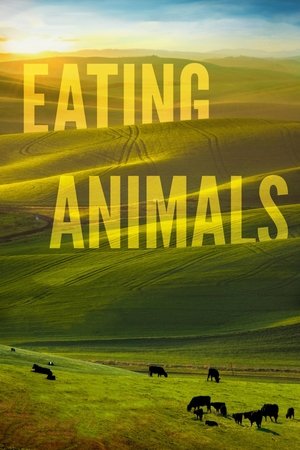
An examination of our dietary choices and the food we put in our bodies.
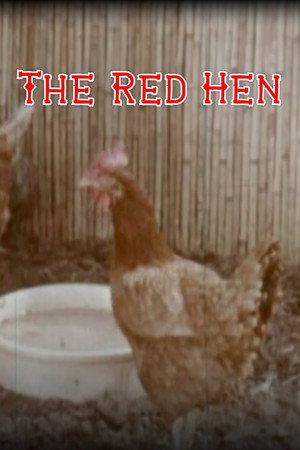
Our story begins with The Red Hen’s brother and their parents being slaughtered by the evil Queen Gedren’s army because The Red Hen rejected the Queen’s sexual advances. The Red Hen survives violent assault by Gedren’s troops, and even gives Gedren a kind of souvenir: a brutal scar on her face. Later that night, The Red Hen is visited by a spirit who grants her the strength to seek her revenge. In her quest, The Red Hen accepts the company of the mighty Lord Kalidor, but also gives him a warning: she will never lie with any man unless he can defeat her in a swordfight. Kalidor challenges her and they spar, but neither of them is able to defeat the other. They call it a draw. Kalidor at least wins her heart.
It begins at the end: Tau is dying; a slow shutting-down creeps over his body. Its time to reflect. His life is over but it was well spent.
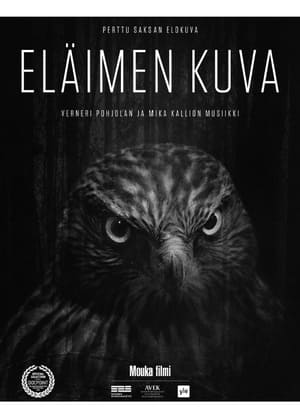
‘An animal simply is,’ nature photographer and writer Heikki Willamo says as dazzling black-and-white images segue from a forest bear to a seagull gliding over the sea. The animal images are themselves captivating, without any need to ask what is happening next. Directed and shot by Perttu Saksa, a well-known photographer, Animal Image borrows its form and speech from the reputed existence of animals: there is only here and now.
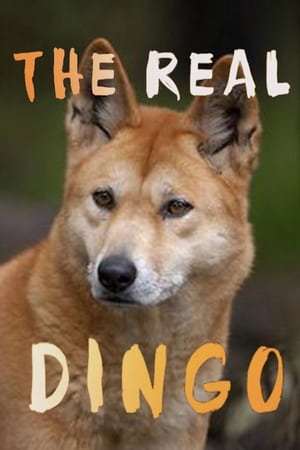
The real Dingo
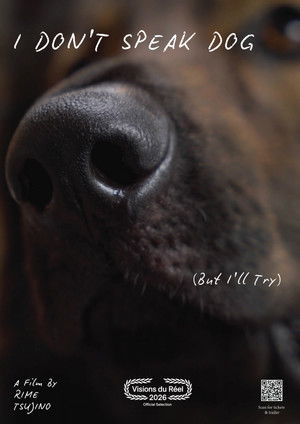
A filmmaker unpacks her evolving relationship with her adolescent German Shepherd, confronting the painful question of why, despite raising him, he seems to love her partner more.
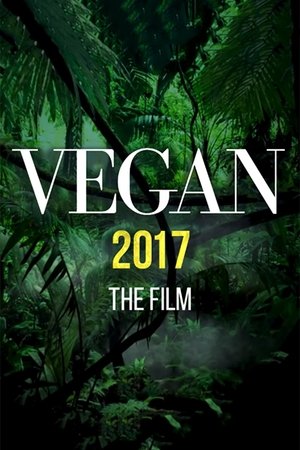
Plant Based News end of year vegan documentary.
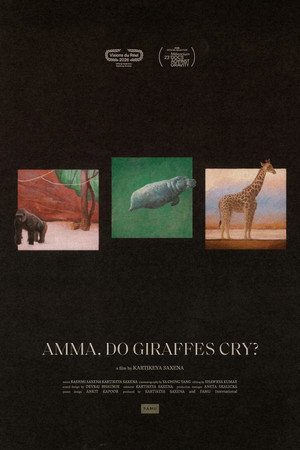
A whimsical filmmaker turns to his rational zoologist mother to help film animals. As memories of tigers and pet rabbits surface, the zoologist is compelled to question her relationship with animals.
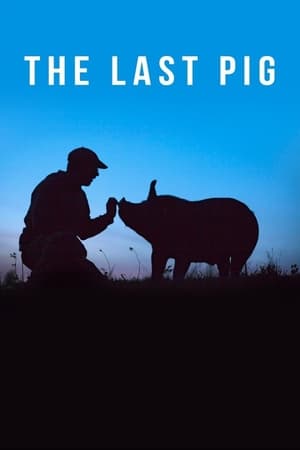
An intimate reflection on animal treatment, following ethical pig farmer, Bob Comis, as he contemplates his transition out of raising animals for slaughter.
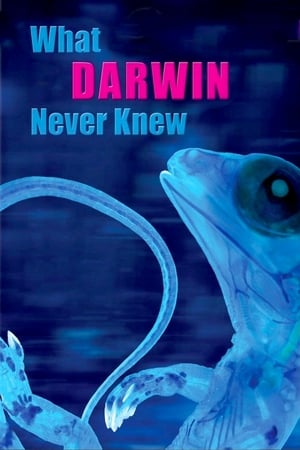
Earth teems with a staggering variety of animals, including 9,000 kinds of birds, 28,000 types of fish, and more than 350,000 species of beetles. What explains this explosion of living creatures—1.4 million different species discovered so far, with perhaps another 50 million to go? The source of life's endless forms was a profound mystery until Charles Darwin brought forth his revolutionary idea of natural selection. But Darwin's radical insights raised as many questions as they answered. What actually drives evolution and turns one species into another? To what degree do different animals rely on the same genetic toolkit? And how did we evolve?
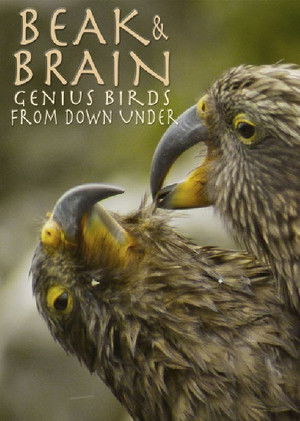
Whoever came up with the term 'bird brain' never met these feathered thinkers, who use their claws and beaks to solve puzzles, make tools and more.
Des îles ensorcelées par la Lune
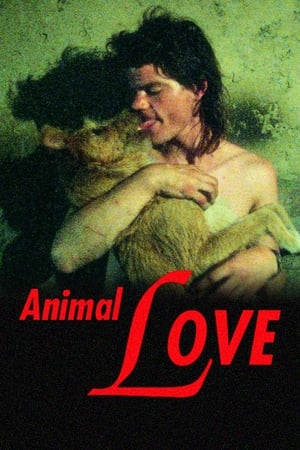
In conurbations where hundreds of thousands live alongside one another, in the era of a highly technological society, in which communication has never played such a significant role, man has become lonely. Disappointed by his fellow human beings, he turns to animals. Dogs and other domestic animals serve him as companions, life partners, cuddly objects and bedfellows.
Demonstrates how animals use sight, sound and movement to communicate fear, presence, interest and many other aspects of behavior.
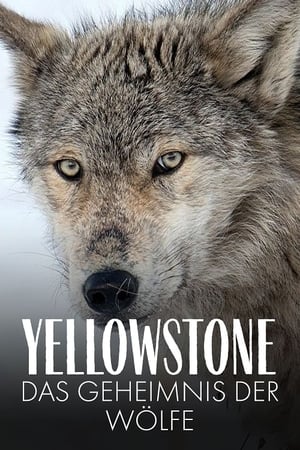
70 years after the last wolves roamed the national park, a total of 41 wolves were reintroduced between 1995 and 1997. A globally unique experiment that had many supporters, but also resolute opponents, then as now.
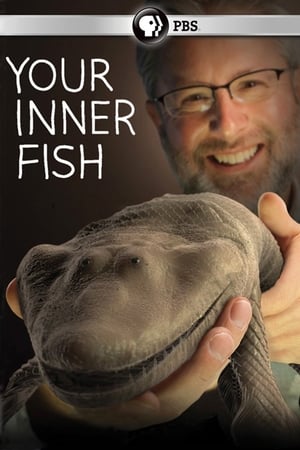
How did your body become the complicated, quirky, amazing machine it is today? Anatomist Neil Shubin uncovers the answers in this 3-part science series that looks at human evolution. Using fossils, embryos and genes, he reveals how our bodies are the legacy of ancient fish, reptiles and primates — the ancestors you never knew were in your family tree.
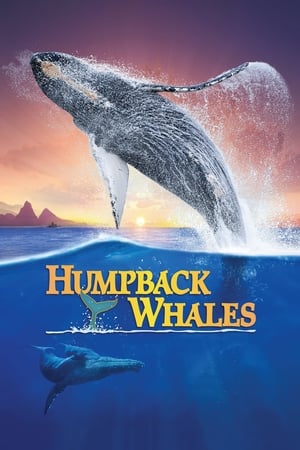
Humpback Whales takes audiences to Alaska, Hawaii and the Kingdom of Tonga for a close-up look at how these whales communicate, sing, feed, play and take care of their young. Humpbacks were nearly driven to extinction 50 years ago, but today are making a steady recovery. Join a team of researchers as they explore what makes humpbacks the most acrobatic of all whales, why only the males sing, and why these intelligent 50-foot, 48-ton animals migrate more than 6,000 miles round-trip every year.
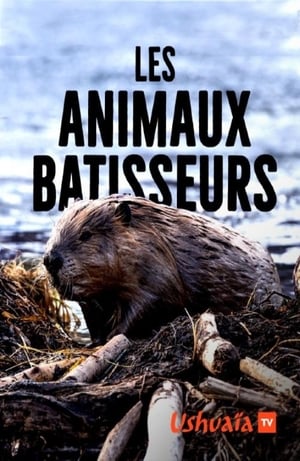
Les Animaux bâtisseurs