In 1928, Lady Heath became the first person to fly solo from Cape Town to London. Eighty-five years later, Tracey Curtis-Taylor set out in a vintage biplane to fly that adventure again. Following Tracey as she retraces the journey, The Aviatrix is more than just a film about the rapture of flying – it’s a story about living life on your own terms and having the courage and determination to realise your greatest dreams.
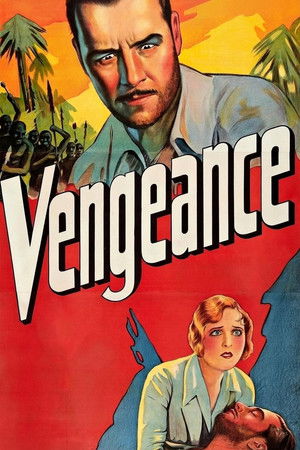
John Meadham, in charge of a West African trading post, wires the home office in London that he is tired and worn out and that they need to send a replacement to take over. The company sends a stiff upper-lipper, Charles Summers, accompanied by his wife, Margaret. An antagonism develops between the two men from the moment Summers arrives.
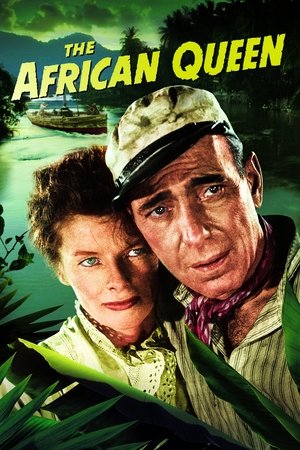
At the start of the First World War, in the middle of Africa’s nowhere, a gin soaked riverboat captain is persuaded by a strong-willed missionary to go down river and face-off a German warship.
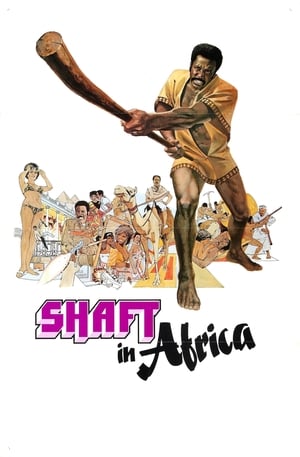
Detective John Shaft travels incognito to Ethiopia, then France, to bust a human trafficking ring.
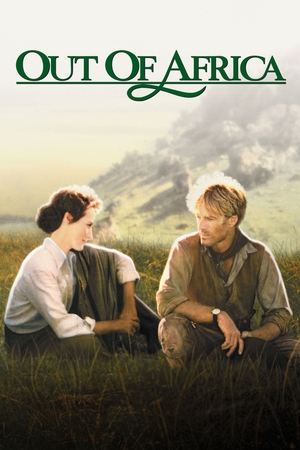
Tells the life story of Danish author Karen Blixen, who at the beginning of the 20th century moved to Africa to build a new life for herself. The film is based on her 1937 autobiographical novel.
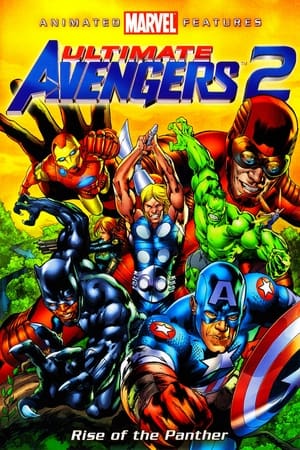
Mysterious Wakanda lies in the darkest heart of Africa, unknown to most of the world. An isolated land hidden behind closed borders, fiercely protected by its young king: Black Panther. But when brutal alien invaders attack, the threat leaves Black Panther with no option but to go against the sacred decrees of his people and ask for help from outsiders.
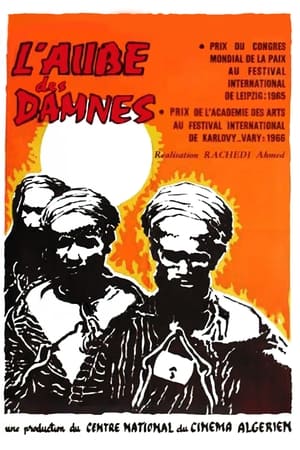
This excellent feature-length documentary - the story of the imperialist colonization of Africa - is a film about death. Its most shocking sequences derive from the captured French film archives in Algeria containing - unbelievably - masses of French-shot documentary footage of their tortures, massacres and executions of Algerians. The real death of children, passers-by, resistance fighters, one after the other, becomes unbearable. Rather than be blatant propaganda, the film convinces entirely by its visual evidence, constituting an object lesson for revolutionary cinema.
An American family on holiday in Africa becomes lost in a game reserve and stalked by vicious killer lions.
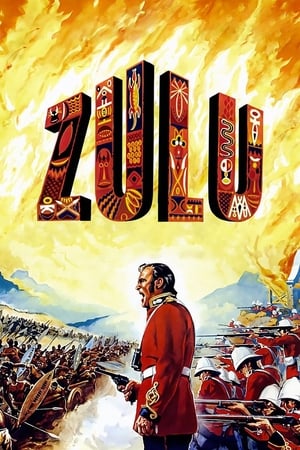
In 1879, during the Anglo-Zulu War, man-of-the-people Lt. Chard and snooty Lt. Bromhead are in charge of defending the isolated and vastly outnumbered Natal outpost of Rorke's Drift from tribal hordes.
When bookseller Buzz cons Diana into thinking that his friend Stanley knows all there is to know about Africa, they are abducted and ordered to lead Diana and her henchmen to an African tribe in search of a fortune in jewels.
Miguel, a heroic Spanish doctor, puts himself in harm's way to deliver medical treatment to the victims of military uprisings in Africa.
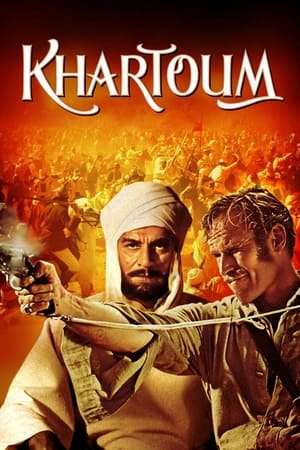
English General Charles George Gordon is appointed military governor of Anglo-Egyptian Sudan by the Prime Minister. Ordered to evacuate Egyptians from the Sudan, Gordon stays on to protect the people of Khartoum, who are under threat of being conquered by a Muslim army.
"Africa Light" - as white local citizens call Namibia. The name suggests romance, the beauty of nature and promises a life without any problems in a country where the difference between rich and poor could hardly be greater. Namibia does not give that impression of it. If you look at its surface it seems like Africa in its most innocent and civilized form. It is a country that is so inviting to dream by its spectacular landscape, stunning scenery and fascinating wildlife. It has a very strong tourism structure and the government gets a lot of money with its magical attraction. But despite its grandiose splendor it is an endless gray zone as well. It oscillates between tradition and modernity, between the cattle in the country and the slums in the city. It shuttles from colonial times, land property reform to minimum wage for everyone. It fluctuates between socialism and cold calculated market economy.
Renowned filmmaker John Wilson travels to Africa to direct a new movie, but constantly leaves to hunt elephants and other game, to the dismay of his cast and crew. He eventually becomes obsessed with hunting down and killing one specific elephant.
August Bolte, the richest man in a settlement in German East Africa in the period before World War I, is called "Mamba" by the locals, which is the name of a deadly snake. Despised by the locals and the European settlers alike for his greed and arrogance, Bolte forces the beautiful daughter of a destitute nobleman to marry him in exchange for saving her father from ruin. Upon her arrival in Africa, she falls in love with an officer in the local German garrison. When World War I breaks out, Bolte, unable to avoid being conscripted, foments a rebellion among the local natives.
A group of American tourists heading down an African river make a brief stop at Snake Island, an island that has been virtually abandoned for years. When they end up getting trapped on the island overnight, they find thousands of deadly snakes intent on reclaiming the tropical island for themselves.
A Gambian family is at dilemma whether they should go see a traditional healer or go to a hospital after their daughter catches malaria by a mosquito bite.
A young hip-hop artist who, having had enough of the hopelessness of trying to live off a musician’s earnings in Zambia, decides to head for the States to chase the American dream.
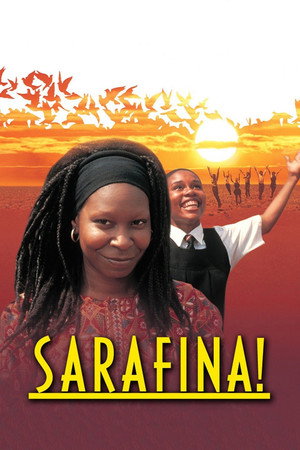
A Soweto schoolgirl named Sarafina is galvanized to protest apartheid after her teacher is arrested for her activism, leading her to join the student resistance movement.
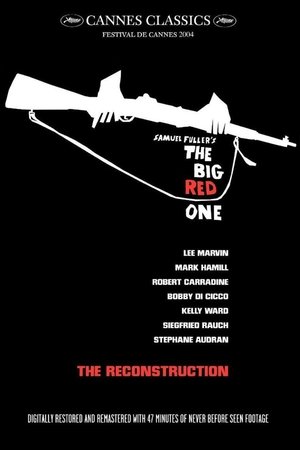
A re-working, re-editing, and restructuring of Sam Fuller's The Big Red One bringing it closer as originally envisioned by the late filmmaker. It includes forty-seven additional minutes which was not utilized in the film's original release. Supervised by Richard Schickel, Peter Bogdanovich, and editor Bryan McKenzie.