What is the purpose of our existence ? What is the soul ? Which are the power of mind, of conscience ? What is our link to nature ? Pondering these existential questions, this movie invites us to find out an universal wisdom, meeting shamans, healers, yogis, but also philosophers and doctors. From Mongolia plains to the Amazonian forest, it leads us far than we expected at first.
Pra-Milan (73) is a poet, philosopher, and two-time presidential candidate from the 1990s. After winning a lawsuit against the state for the persecution he endured under the communist regime, he leases a neglected tourist complex on the mystical mountain of Rtanj.
Alan Watts talks about our perception of the world, and how we derive metaphysics from it. Watts recorded this video in 1971 as a pilot for a public television series in the United States.
Alan Watts discusses the Western dichotomy of work and play, and explains that when you take the play out of work life becomes joyless drudgery.
Director Victor Kossakovsky dedicated his documentary debut to the Russian philosopher and religious thinker Alexey Fedorovich Losev (1893-1988), who died shortly after the completion of the film.
This documentary retraces the life of Jacques Maritain (1882 - 1973), French Christian philosopher. In evoking his life, it paints a portrait of the 20th century: the scientism of the Sorbonne, the rise of Nazism, the Resistance, Free France, Christian Democracy in South America, but also art, freedom, peace and love for the human person. Jacques Maritain, in the torments of the 20th century, of it's murderous madness and it's hope for peace, holds a secret: his ineffable and faithful love for his wife Raïssa, the inspiration for his political commitments and his philosophical thought.
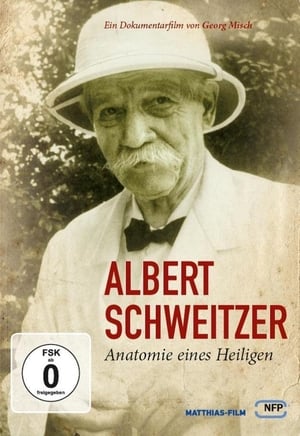
This biographical docudrama traces the life of Dr. Albert Schweitzer, from his birth in Alsace, up to the age of 30 when he made the decision to go to French Equatorial Africa and build his jungle hospital. The latter half of the film encompasses a full day in the hospital-village, following the octogenarian Samaritan in his daily rounds.
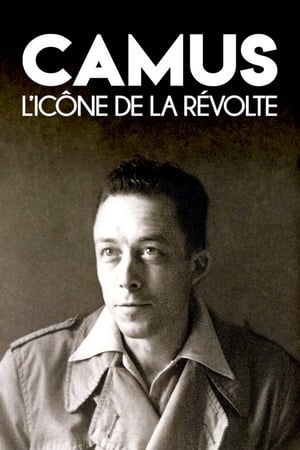
Albert Camus, who died 60 years ago, continues to inspire defenders of freedom and human rights activists around the world today. The Nobel Prize winner for literature is one of the most widely read French-language writers in the world. He continues to embody the rebellious man who opposes all forms of oppression and tyranny while refusing to compromise his human values.
The portrait of Geoffroy de Lagasnerie, through fragments of the present, archives, readings and close voices. A film where political thought is felt in gestures, friendship and struggles, and where cinema becomes a space for the lively circulation of thought.
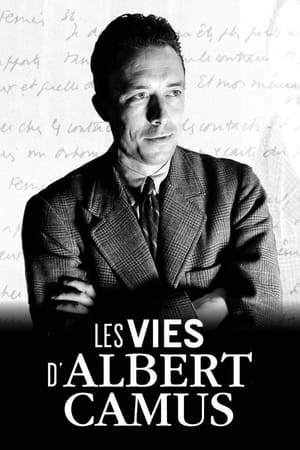
Albert Camus died at 46 years old on January 4, 1960, two years after his Nobel Prize in literature. Author of “L'Etranger”, one of the most widely read novels in the world, philosopher of the absurd and of revolt, resistant, journalist, playwright, Albert Camus had an extraordinary destiny. Child of the poor districts of Algiers, tuberculosis patient, orphan of father, son of an illiterate and deaf mother, he tore himself away from his condition thanks to his teacher. French from Algeria, he never ceased to fight for equality with the Arabs and the Kabyle, while fearing the Independence of the FLN. Founded on restored and colorized archives, and first-hand accounts, this documentary attempts to paint the portrait of Camus as he was.
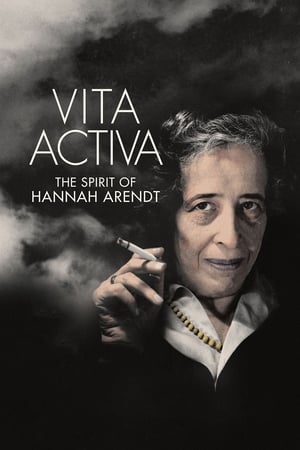
The life and work of German political philosopher of Jewish descent Hannah Arendt (1906-75), who caused a stir when she coined a subversive concept, the banality of evil, in her 1963 book on the trial of Nazi war criminal Adolph Eichmann (1906-62), held in Israel in 1961, which she covered for the New Yorker magazine.
A famous figure of the 20th century, Albert Schweitzer was a tireless humanist and polymath who opened a hospital in the Gabonese jungle to bring healthcare to remote areas. But today the legacy of the winner of the Nobel Peace Prize in 1952 is being scrutinised. How important was his wife Hélène in his success? And was the virtuous man also racist?
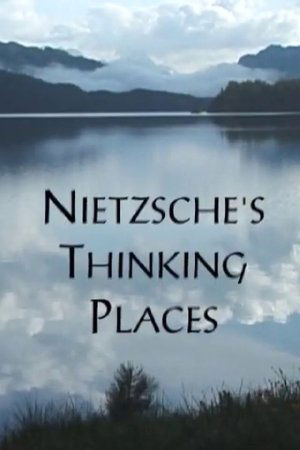
The favourite places for thinking of the philosopher Friedrich Nietzsche - Sorrento, Engadine, Venice, Genoa, Rapallo, Nice, Turin - with passages from his letters and notebooks that explain why they were so important to him.
Documentary about the Austrian philosopher Martin Buber
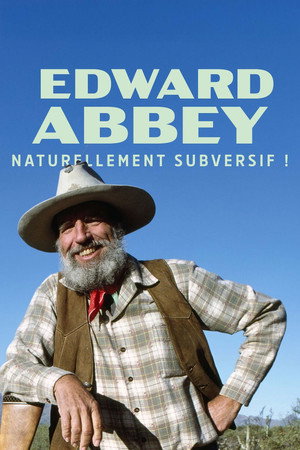
A resistance writer and pioneer of nature writing with a controversial personality, Edward Abbey wrote more than twenty books on the theme of eternal nature. A gem of counterculture, his 1975 novel The Monkey Wrench Gang inspired a generation of environmental activists and readers with rebellious souls. Portrait of a rebellious, lyrical, and rude writer.
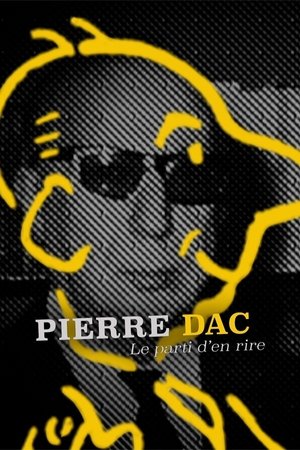
Pierre Dac, le parti d'en rire
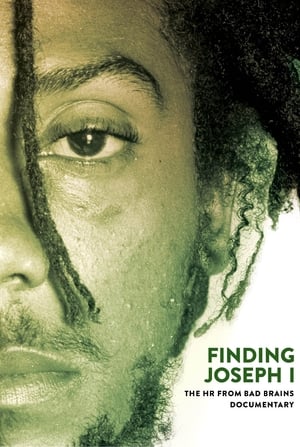
"Finding Joseph I" is a feature documentary chronicling the eccentric life and struggles of punk rock reggae singer, Paul "HR" Hudson, a.k.a. Joseph I, the legendary lead singer from Bad Brains.
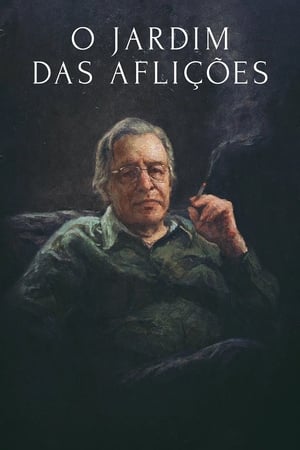
Brazilian philosopher Olavo de Carvalho's thinking, presented through his presence, his daily work routine and his family life in Virginia (USA).
Albert Schweitzer - Anatomie eines Heiligen
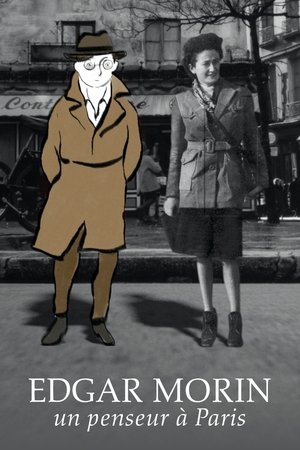
Edgar Morin, un penseur à Paris