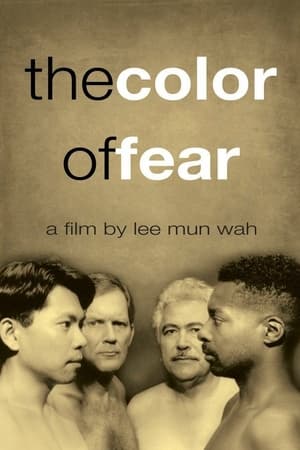
Diversity trainer Lee Mun Wah assembles a diverse group of eight American men to talk about their experience of race relations in the United States. The exchange is sometimes dramatic as they lay bare the pain that racism in the US has caused them.
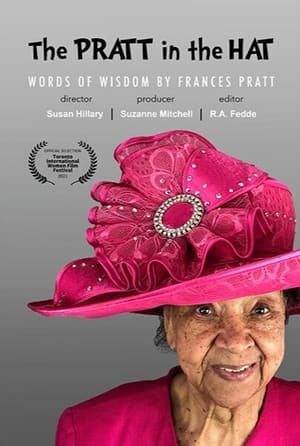
The PRATT in the HAT is a short film about Frances Pratt, her hats, her wit, and her civil rights leadership which began in 1957 and continues till today as the President of the Nyack, NY Branch of the NAACP.
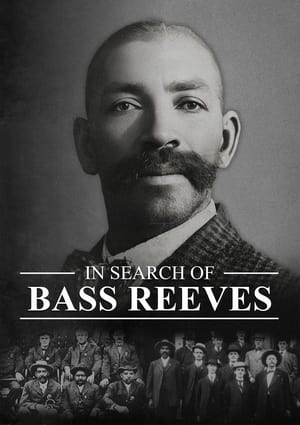
By the end of his illustrious career, Deputy U.S. Marshal Bass Reeves may well have been the preeminent lawman of the Old West. He brought upwards of 3,000 outlaws to justice and served in law enforcement for 32 years during Reconstruction after the Civil War. His story is one of an escape to freedom and the dangers of the West for a former slave who rose to become a legend of the law. Join us as we go in search of Bass Reeves.
A thought-provoking, humanistic portrait of a Chicago nurse who risked her personal freedom and was imprisoned in civil rights demonstrations and protests against the Vietnam War.
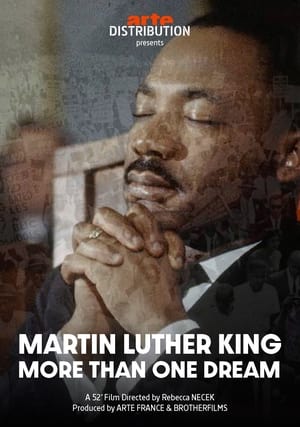
The real dream of the American pastor Martin Luther King was never limited to civil rights. He hoped for a just America, where poverty would no longer have a place. Social equality was for him the only guarantee of a true emancipation. During the last four years of his life, he mobilized all his energy to realize this "other dream". But there were many obstacles: he was scorned by white, racist America, abandoned by the political class, but also by some of his own people, who decided to turn their backs on the principle of non-violence.
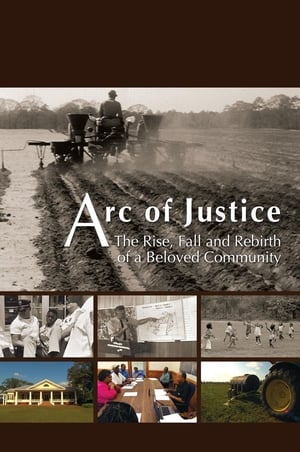
ARC OF JUSTICE traces the remarkable journey of New Communities, Inc. and the struggle for racial justice and economic empowerment among African Americans in southwest Georgia.
At the 1968 Mexico City Olympics, the silent protest of Tommie Smith and John Carlos changed The Games forever, becoming one of the defining images of the 20th century.
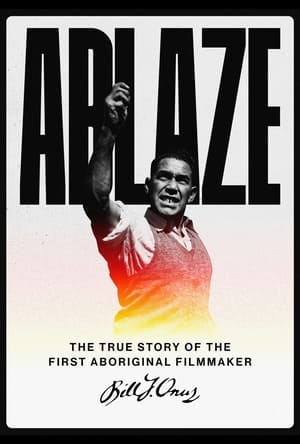
A feature documentary about opera singer Tiriki Onus who finds a 70-year-old silent film believed to be made by his grandfather, Aboriginal leader and filmmaker Bill Onus. As Tiriki travels across the continent and pieces together clues to the film’s origins, he discovers more about Bill, his fight for Aboriginal rights and the price he paid for speaking out.
Roots of racial disparities are seen through a new lens in this film that explores the origins of housing segregation in the Minneapolis area. But the story also illustrates how African-American families and leaders resisted this insidious practice, and how Black people built community — within and despite — the red lines that these restrictive covenants created.
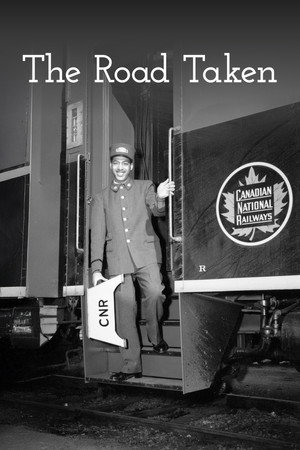
Black sleeping-car porters who worked on Canada's railways from the early 1900s through the 1960s were proud men and well-respected by their community, but harsh working conditions prevented them from being promoted to other railway jobs until 1955 when porter Lee Williams took his fight to the union.
A clinical review of judicial corruption, the good and the bad guys showcased. The need for complete, federal and state judicial reform, term limits, with no immunities.
The story of Wimbledon tennis champ and civil rights activist Arthur Ashe
This 1971 film study provides a rare glimpse into the life of a Southern Californian Japanese American gardener who was incarcerated in an internment camp during World War II.
On May 25th, 2020, Derek Chauvin, a European-American Minneapolis police officer, murdered George Floyd, a black man, by driving his knee into George's neck for 8 minutes and 45 seconds until he died. This film chronicles New York City's overwhelming response.
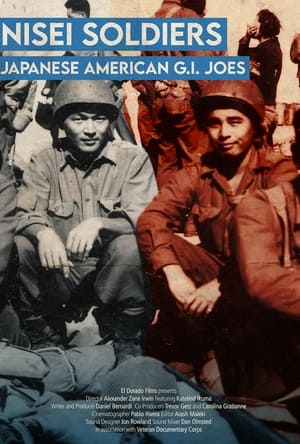
Leaving internment camps to defend their country in Europe, Japanese-American Nisei soldiers of WWII became the most decorated unit in American history.
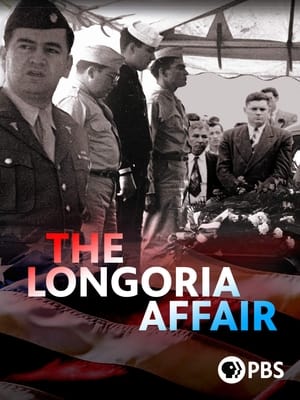
The Longoria Affair is about a controversy that arose when the body of a dead soldier from WWII was finally identified in 1949.
Travel across four continents, through 19 countries, and into dingy Cambodian karaoke bars, Amsterdam’s infamous red-light district, Moldovan orphanages, legal Nevada brothels, and the street corners and alleyways of metropolises worldwide for more than a glance at the fastest-growing organized crime industry in the world with the groundbreaking, tell-all Nefarious: Merchant of Souls.
Focuses on 1992 Nobel Peace Prize winner, Rigoberta Menchu, as she discusses the lack of human rights for the indigenous people of Guatemala and her commitment to the struggle for a more egalitarian society.
At the start of World War II, Japanese Americans living on the West Coast were faced with the threat of forced removal and incarceration in concentration camps. A small number took their fate in their own hands, fleeing to interior states, becoming refugees in their own country, on a forced migration into the unknown. Before They Take Us Away is the first feature documentary to chronicle the untold stories of the “self-evacuees” who spent the war years outside the camps, as they struggled to rebuild their lives and overcome poverty, isolation, hostility and racial violence.
Modern kite maker Tom Joe seeks to preserve the craft of kite making as well as the traditional Asian folklore behind it. Alan Takemoto illustrates Tom Joe’s tales of the Polynesian fish kite made from leaves and branches to fool fish; the Chinese general whose trapped army fashioned a fighting kite; and Shirone, the “kite crazy town” in Japan where 20-foot fighting kites duel in magnificent matches. Children will be inspired to try making these kites.