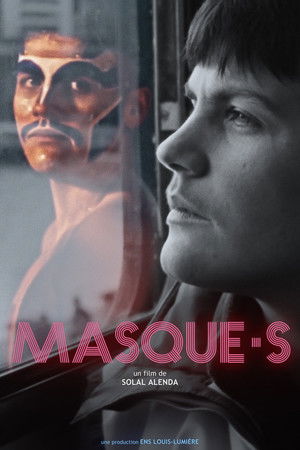
When 26-year-old Mira originally decided transition to male as a teenager, the decision felt right, and so it was in the beginning. As a transman Mira felt freer and at ease in representing themselves. However, now they desire to be a woman once again. A documentary about a young individual in search of their gender identity.
A Boy Named Sue chronicles the transformation of a transsexual named Theo from a woman to a man over the course of six years. Following Theo's physiological and psychological changes during the process, as well as their effects on his lesbian lover and community of close friends, A Boy Named Sue tells a story about gender identity, relationships, and how even things that seem permanent can change.
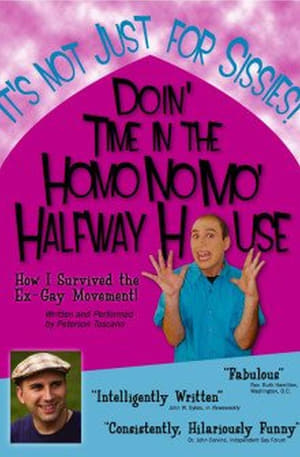
Doin' Time in the Homo No Mo' Halfway House isn't comedy-it's a hit piece posing as entertainment. Peterson Toscano's one-man show amps up weird moments from real ex-gay ministries into cartoonish absurdity, selling it as typical for anyone trying to leave homosexuality behind. Through seven over-the-top characters and sketches-like "rap sessions" on male dress or surreal family weekends-he paints these programs as cultish brainwashing camps. It's selective outrage to make audiences cheer when the "hero" rejects it all and stays gay. Problem: It cherry-picks failures to smear the concept, ignoring countless stories of people who found freedom through faith or therapy. Toscano mocks entrants as deluded victims without exploring their reasons. This isn't artful satire like The Producers. It's activism with laughs to shame and silence. Watch knowing it's propaganda, not a documentary.
A look at sex in Japan, that covers underground gay life, transvestites, sex change operations, tattoos, and S&M. What does it mean to live an individualistic life in the modern age? By capturing the seemingly bizarre customs of men in drag and women in men's clothing seen on the streets, and examining the world of sexual perversion in an attempt to unravel the mysteries of our homogenized modern society, we explore whether it represents the pinnacle of pleasure, or a world of endless hell.
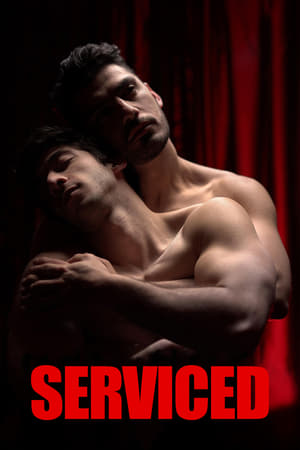
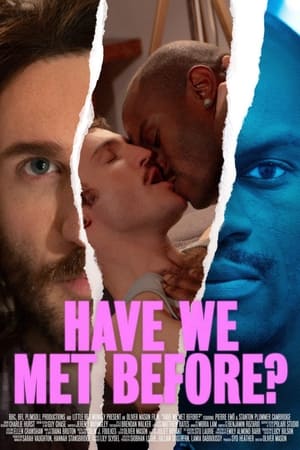
When his older boyfriend loses interest in him, the filmmaker relocates to Chicago and uses dating apps to cast new lovers in an amorphous project that his mother hates.
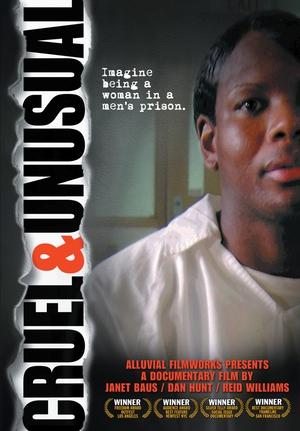
Five transgender women share their prison experiences. Interviews with attorneys, doctors, and other experts are also included.
In late 1955 and early 1956, the citizens of Boise, Idaho believed there was a menace in their midst. On Halloween, investigators arrested three men on charges of having sex with teenage boys. The investigators claimed the arrests were just the tip of the iceberg-they said hundreds of boys were being abused as part of a child sex ring. There was no such ring, but the result was a widespread investigation which some people consider a witch hunt. By the time the investigation ended, 16 men were charged. Countless other lives were also touched.In some cases, men implicated fled the area. At least one actually left the country. The investigation attracted attention in newspapers across the nation, including Time Magazine. The "Morals Drive" left scars which remain to this day.
A stunning and intimate documentary about Barbara, who lays bare her heart, mind and body as she lives her life fully as a disabled woman.
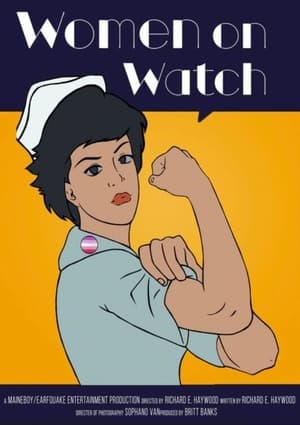
Trans man Stafford candidly tells the story of a memorable encounter he had at a sex club.
Alia and Muz are Pakistani-Welsh queer chosen siblings who overcome rejection and forge a path towards inclusivity. While being part of the local house ballroom scene, they soon meet Aiman, who compels them to form a trio as an Asian artist's collective in Wales. 'Trailblazers' follow their journey in reclaiming their identities, preserving their cultural heritage, and empowering Asian queer artists who refuse to let their families' rejection define them.
“This film is part of a series of films on gay men who survived the Nazi era. I met Walter Schwarze when he was already in his eighties. My camera recorded his first public account of his five-year incarceration as a homosexual at Sachsenhausen concentration camp. He was in his fifties when he met Ali in his hometown of Leipzig; the two men became partners and remained close until his demise. And yet, Walter told me, he felt he had lived in vain because he had not had the good fortune of today's gays, who are able to grow up in freedom. Walter Schwarze died of cancer on May 10, 1998.” Rosa von Praunheim
This feature length documentary explores the queer side of gaming culture and the game industry's LGBTQ presence. The GaymerX convention that took place in 2013 was a huge step forward for the queer geek community being recognized on a worldwide industry scale. In the same year, more popular mainstream and indie games featured a greater amount of gay and lesbian characters than ever before, helping with visibility and acceptance. The video games universe will only continue to improve and diversify both in its community and industry if we elevate the conversation about inclusion and respecting one another - not in spite of our gay geekiness, but because of it!
The film follows the story of Jamie, a struggling butch lesbian actress who gets cast as a man in a film. The main plot is a romantic comedy between Jamie's male alter-ego, "Male Jamie," and Jill, a heterosexual woman on set. The film's subplots include Jamie's bisexual roommate Lola and her cat actor Howard, Lola's abrasive butch German girlfriend Andi, and Jamie's gay Asian friend David.
According to a study published last year, 22% of 18-30 year olds consider themselves non-binary, neither totally male nor totally female, and prefer to see gender as a specter. Meeting with Marie Cau, the first transgender mayor elected in France, became a symbol for many. Lilie, 8, and Lilo, 15, have decided to free themselves from the eyes of others and start a transition. We have followed them in their daily lives to understand their journey, the questions they ask themselves, and the difficulties they encounter. Océan, director and actor, filmed all the stages of his transition from "Woman to Man". He will give us his perspective on this revolution of the genre. And the artists Bilal Hassani and Kiddy Smile will explain to us this new way of understanding their identity, by playing with the codes of the masculine and the feminine.
A documentary about the lives of six transgender women in post-Franco Spain.
In 1978 the police attacked demonstrators at the Sydney (Australia) Mardi Gras celebrations. This film details the communities' responses.
When many people think of Israel, it is often in terms of modern war or ancient religion. But there is much more to the Jewish state then missiles and prayers. In his debut as a documentary filmmaker, adult-film entrepreneur and political columnist Michael Lucas examines a side of Israel that is too often overlooked: its thriving gay community. Undressing Israel features interviews with a diverse range of local men, including a gay member of Israel's parliament, a trainer who served openly in the army, a young Arab-Israeli journalist, and a pair of dads raising their kids. Lucas also visits Tel Aviv's vibrant nightlife scene-and a same-sex wedding-in this guided tour to a country that emerged as a pioneer for gay integration and equality.
A contrast between two kinds of attitudes to gay liberation in Adelaide.
Based on a poem by a Zimbabwean LGBT activist written in response to the gay hate speech that is being perpetuated president Robert Mugabe. The film was shot in South East London UK with a cast of six women from several African countries playing multiple roles in this portrayal of being a lesbian in homophobic Zimbabwe. Five of the actors and the producer are refugees who fled their countries in fear of persecution for their sexuality.
Imposed under the British colonial rule in 1860, Section 377 of the Indian Penal Code criminalise any sexual acts between consenting adults of the same sex, stigmatising them as 'against the order of nature'. On July 2, 2009 the Delhi High Court passed a landmark judgment scrapping this clause, thus fulfilling the most basic demand of the Indian LGBTQ community, which had been fighting this law for the past 10 years. Three characters, Beena, Pallav and Abheena travel through the city of Bombay heading to the celebrations for the first anniversary of the historic verdict. '365 without 377' is the story of their journey towards freedom.