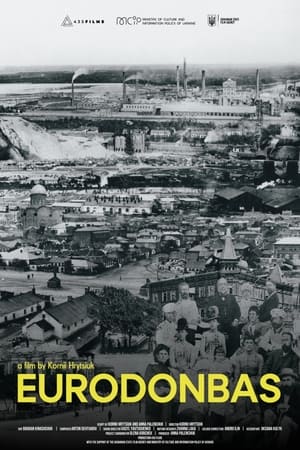
Throughout time, Eastern Ukraine (such as Donbas) has been referred to as a 'Russian world', but this is indeed not the case. The history of Donbas was re-written during the Soviet era. Although the Soviet Union edited out and withheld all references to the European background of this region from history books in schools and universities. There were, in fact, numerous French, Belgian, German, British, Polish, Swiss, Dutch, and even American settlements and more than 100 wide-scale enterprises in the region. Therefore, this film reveals the pro-European industrialization of Ukrainian Donbas at the turn of the 19th century. It aims to emphasize the European roots of Ukraine long before the official integration process of Ukraine into the EU in 2022.
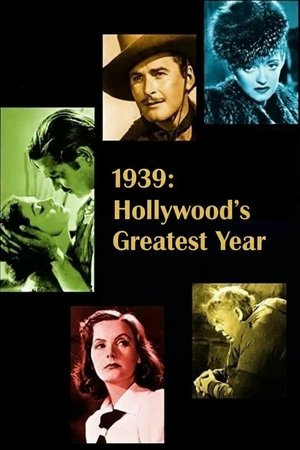
This documentary focuses on 1939, considered to be Hollywood's greatest year, with film clips and insight into what made the year so special.
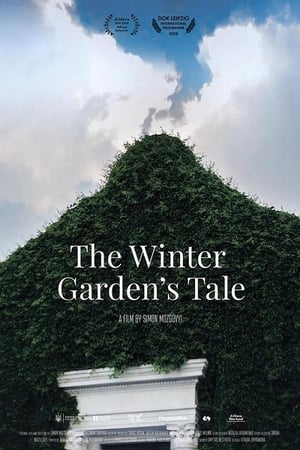
The film’s story is based on the fate of the Floriculture Pavilion of the former Exhibition of Achievements of the People’s Economy, and its elderly employee Valentyna Voronina, who maintains this space, investing her own life into it, until suddenly changes come to her. After forty-five years of work, she is asked to retire. But Voronina does not agree with that, because she thinks that all the plants will die without her. Meanwhile, a group of mysterious radioesthesists find a channel of positive energy right in front of the entrance to the pavilion.
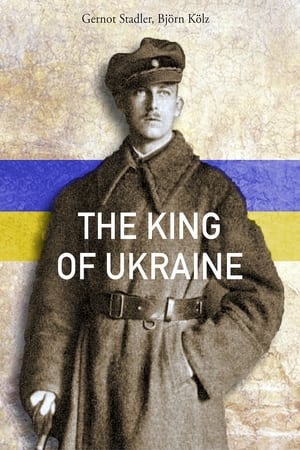
An outlook on Wilhelm von Habsburg, an aristocrat who wanted to become the King of Ukraine and thus became an early fighter for the independence of Ukraine after World War 1.
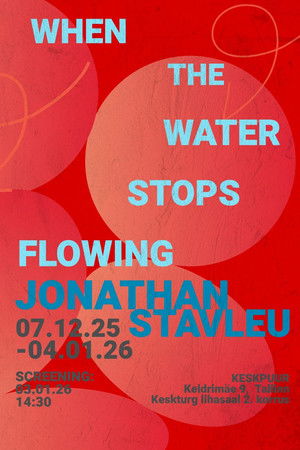
Jonathan Stavleu explores, in a stream-of-consciousness video essay, the relationship people have with water and what happens when access to it is taken away. For this work, he examines anecdotal histories he has heard from Estonians, as well as stories from his own family history in the Netherlands, weaving them together into a journal-like narrative.
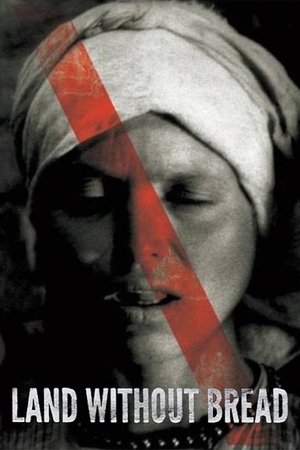
An exploration —manipulated and staged— of life in Las Hurdes, in the province of Cáceres, in Extremadura, Spain, as it was in 1932. Insalubrity, misery and lack of opportunities provoke the emigration of young people and the solitude of those who remain in the desolation of one of the poorest and least developed Spanish regions at that time.
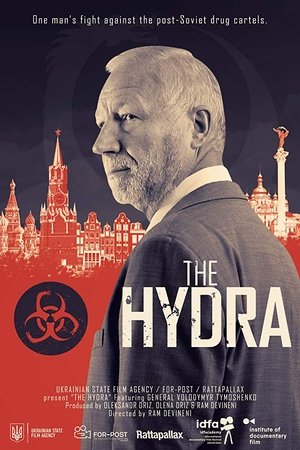
A fast-paced suspense thriller and feature documentary about the sudden rise of ecstasy in Europe to epidemic levels after the disintegration of the Soviet Union.
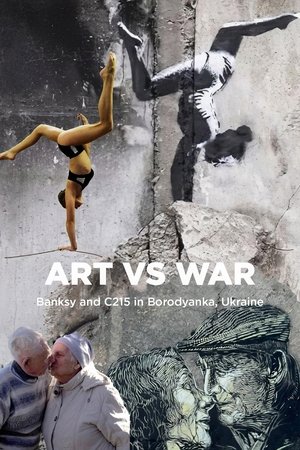
In the aftermath of war-torn Borodyanka, Ukraine, powerful murals by renowned street artists Banksy and C215 appear on the war-damaged buildings, inspiring a group of young Italian restorers to preserve these symbols of hope and resilience, that represent the transformative power of art.
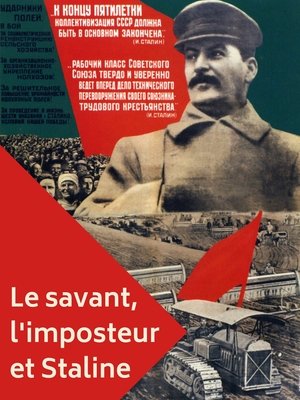
The documentary tells two very different human fates in the 1920s Soviet Union. Nikolai Vavilov was a botanical genius, Trofim Lyssenko was an agronomist who made great promises and fake inventions. Each of them tried to solve the country's nutritional problem, but only one succeeded.
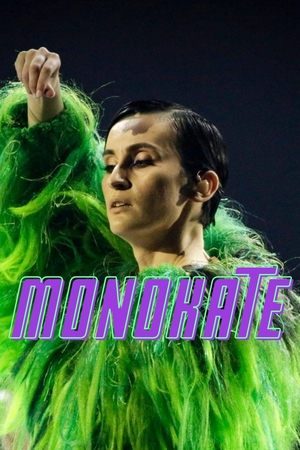
Documentary that follows Go_A’s lead singer Kateryna Pavlenko in the build up to Eurovision 2021.
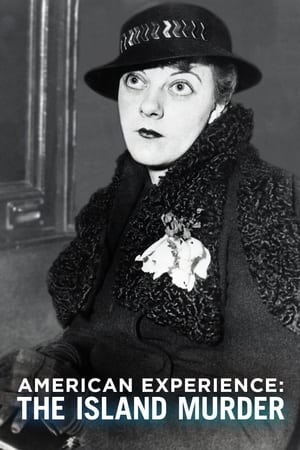
In the waning days of summer 1931, Honolulu's tropical tranquility was shattered when a young Navy wife made a drastic allegation of rape against five nonwhite islanders. What unfolded in the following days and weeks was a racially-charged murder case that would make headlines across the nation, enrage Hawai'i's native population, and galvanize the island's law enforcers and the nation's social elite.
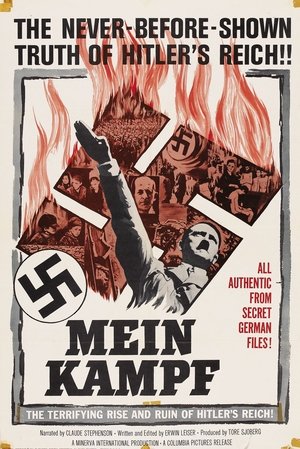
Using exclusively archival footage, Erwin Leiser traces the rise and collapse of the Third Reich, from Adolf Hitler’s early years to the devastation of Europe and his suicide in 1945. The film draws heavily on material produced and preserved by the Nazi propaganda apparatus to confront the mechanisms, imagery, and consequences of totalitarian power.
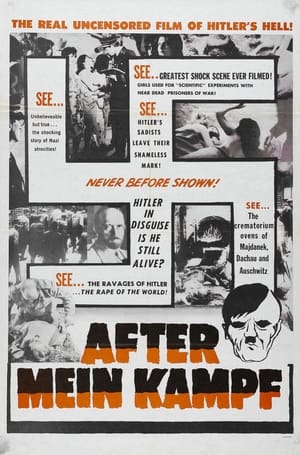
By combining actual footage with reenactments, this film offers both a documentary and fictional account of the life of Adolf Hitler, from his childhood in Vienna, through the rise of the Third Reich, to his final act of suicide in the waning days of WWII. The film also provides considerable, and often shocking, detail of the atrocities enacted by the Nazi regime under Hitler's command.
As war ravages their homeland, Ukrainian children flee their homes out of fear. Across the country, young lives are uprooted and transformed overnight. But even amidst devastating loss, the children's resilience and optimism shine through. The original version of the film was 15 minutes long, and it was the one that had the initial festival distribution and screenings. Then, for the release of the film on VOD, the running time was increased to 52 minutes.
The little-known story of Ukrainian children torn from their homes in the crush between the Nazi and Soviet fronts in World War II. Spending their childhood as refugees in Europe, these inspiring individuals later immigrated to the United States, creating new homes and communities through their grit, faith and deep belief in the importance of preserving culture.
A poetic journey through the paths and places of old Castile that were traveled and visited by the melancholic knight Don Quixote of La Mancha and his judicious squire Sancho Panza, the immortal characters of Miguel de Cervantes, which offers a candid depiction of rural life in Spain in the early 1930s and illustrates the first sentence of the first article of the Spanish Constitution of 1931, which proclaims that Spain is a democratic republic of workers of all kind.
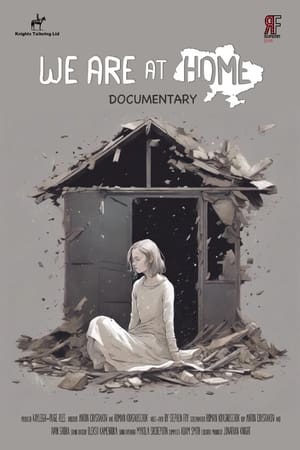
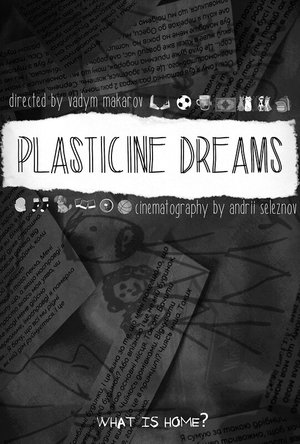
In the polyphony of voices, a search for home unfolds. What is home? What is its purpose? Is there anything bigger than home? What are the sounds, colours, and smells that let it live in our memory? The collective and the individual is expressed through the voices of those who lost it in the Russian war in Ukraine. Associations, memories, meanings: four letters, four hundred things between them — home.
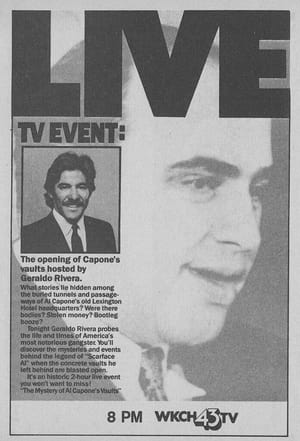
The Mystery of Al Capone's Vaults is a two-hour live American television special that was broadcast in syndication on April 21, 1986, and hosted by Geraldo Rivera. It centered on the live opening of a secret vault in the Lexington Hotel in Chicago once owned by noted crime lord Al Capone.
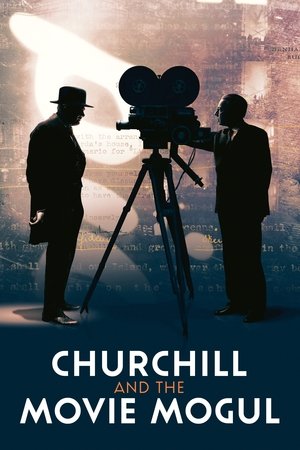
Winston Churchill understood the power of films, but the true extent of his use of cinema as a propaganda tool is rarely explored. In 1934, one of Britain's most celebrated film producers, Alexander Korda, signed Churchill up as a screenwriter and historical advisor. It was the start of a unique collaboration. Churchill provided script notes for Korda's productions and penned an epic screenplay. When war broke out, their collaboration took on national importance. Korda was sent on a mission to Hollywood to help bring America into the war, with positive results. With access to previously undiscovered documents, this film documentary examines that mission and a friendship that underpinned a unique, creative partnership.
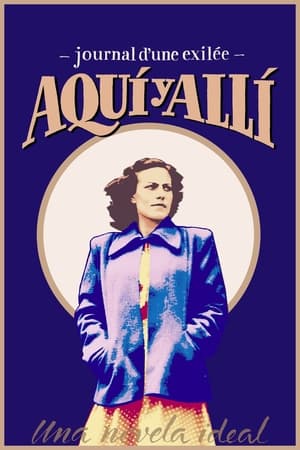
While cleaning the apartment of Lucía, her deceased grandmother, Anna finds a notebook where she discovers the story of a secretly kept love, lived during the turbulent years of the Second Republic and the Spanish Civil War.