Les trente courageuses de La Réunion, une affaire oubliée
We follow neurosurgeons Clemens Dirven and Arnoud Vincent of the Erasmus MC in Rotterdam in this documentary during the treatment of three patients with a brain tumor.
Edeltraut Hertel - a midwife caught between two worlds. She has been working as a midwife in a small village near Chemnitz for almost 20 years, supporting expectant mothers before, during and after the birth of their offspring. However, working as a midwife brings with it social problems such as a decline in birth rates and migration from the provinces. Competition for babies between birthing centers has become fierce, particularly in financial terms. Obstetrics in Tanzania, Africa, Edeltraud's second place of work, is completely different. Here, the midwife not only delivers babies, she also trains successors, carries out educational and development work and struggles with the country's cultural and social problems.
Focuses on the state of the Quebec health system in the early 1970s. This film reveals the harsh reality of emergency rooms. There, medical teams, facing a serious shortage of staff, are facing a real invasion of patients. The technical means, often insufficient, make the task even more difficult.
Documentary about the nurses' strike in Finland on autumn 2007.
Die Kunst des Heilens
In the CHUV training center in Lausanne, ‘fake’ patients and ‘real’ carers simulate medical consultations, to learn how to perform kindness. But in an increasingly liberal hospital system, which itself exerts violence on medical staff, is this relational ideal really possible?
How a patient-centered philosophy can improve outcomes and enrich the lives of patients.
Documentary written and presented by scientist Richard Dawkins, in which he seeks to expose "those areas of belief that exist without scientific proof, yet manage to hold the nation under their spell", including mediumship, psychokinesis, acupuncture, and other forms of alternative medicine.
A Wisconsin doctor's controversial allergy treatment is shunned by the medical community for over half a century. Is a cure for the growing allergy epidemic on the horizon or will red tape keep patients wheezing?
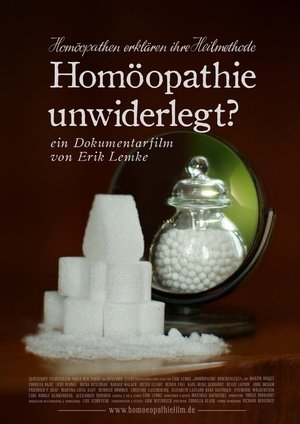
Despite the homeopathic doctors studying medicine, they treat their patients against the basis of scientific knowledge. Allegations of fraud surround the topic. In the film, homeopaths embark on adventurous explanations of their popular belief system.
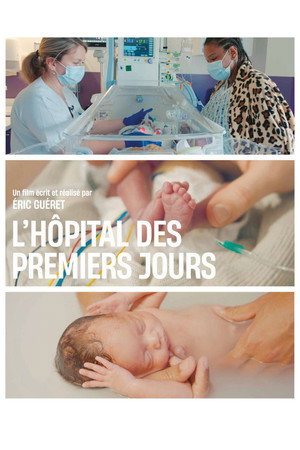
L’Hôpital des Premiers Jours
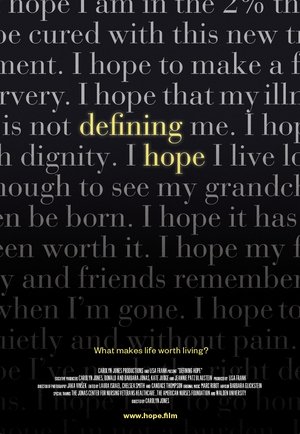
We aren't dying the way we used to. We have ventilators, dialysis machines, ICUs-technologies that can "fix" us and keep our bodies alive-which have radically changed how we make medical decisions. In our death-denying culture, no matter how sick we get, there is always "hope." Defining Hope tells the story of patients dealing with life-threatening illness as they move between ICUs, operating rooms, hospice care and home. Diane is a nurse caring for end-stage cancer patients when she is diagnosed with ovarian cancer herself. 23-year-old Alena undergoes a risky brain surgery that destroys her short-term memory. 95-year-old Berthold lives with his elderly wife who struggles to honor his wish of dying peacefully at home. Defining Hope follows these patients and others- and the nurses that guide them along the way- as they face death, embrace hope, and ultimately redefine what makes life worth living.
Andrew Weil, M.D., program director of integrated medicine at the University of Arizona, teaches doctors and the public about nutrition, In this video, he describes good eating habits, nutritional health, and cooking. He also shares some cross-cultural perspectives on these fundamental topics.
One of America's best-known and most respected doctors offers a sensible approach to eating: He emphasizes enjoyment over deprivation, and long-term health benefits over short-term weight loss. Dr. Weil assures us that there is no confusion among nutrition experts about the optimal diet for health, body weight, and longevity. Understanding inflammation to be the root cause of many chronic illnesses, he gives science-based recommendations to help combat specific health concerns, all as part of an anti-inflammatory diet. On the subject of dietary supplements, he talks about what's perilous and what can help.
This documentary offers a glimpse into the life of an English neurosurgeon, Henry Marsh, situated in Ukraine, as we are exposed to the overwhelming dilemmas he has to face and the burden he has to carry throughout his profession.
The film describes the effect of contraceptives for nulliparous women.
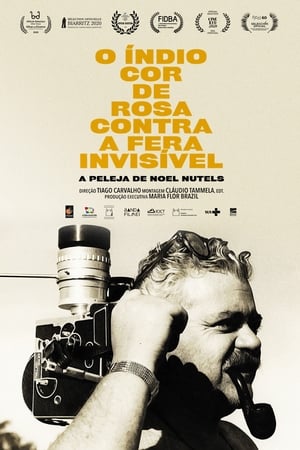
Public health physician Noel Nutels' ideas and the footage he made of Brazilian indigenous peoples between 1940 and 1970 come together to denounce the historic massacre against native communities.
Why is a person evil? Is evil in the genes? These questions have always preoccupied people. The approaches to explaining evil are as varied as evil itself. The latest science assumes that there are three factors that shape human behavior: genes, the environment and the individual situation. All three factors interact and influence each other. The film presents the latest research and addresses one of the most exciting questions in behavioral research.
A doctor talks about the number of injuries and deaths resulting from automobile accidents.