During the turbulent 19th century, a number of brilliant French artists developed the Romantic movement in Paris: writers Victor Hugo, Alexandre Dumas, George Sand, Honoré de Balzac and Charles Baudelaire, painter Eugène Delacroix and composer Hector Berlioz, among others, changed the way of looking at art and created enduring works that have inspired the world to this day.
Aux frontières de l'Histoire - La France
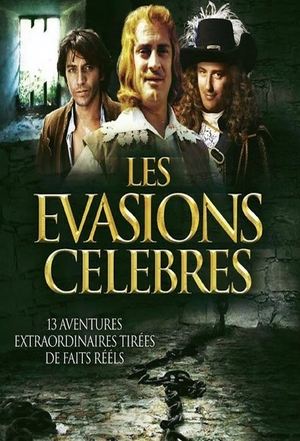
From Bonaparte to Casanova, history is cast in the light of famous escapes from various European countries.
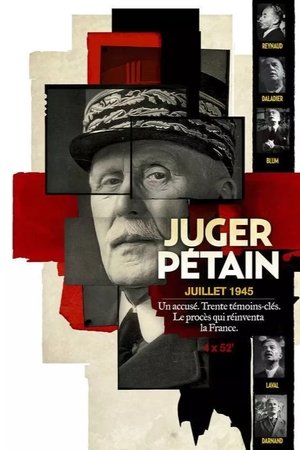
An investigation into the nature, details and reasons for the collaboration, from 1940 to 1944, during World War II, between the Vichy regime, established in the south of France and headed by Marshal Pétain, and Nazi Germany.
Métronome
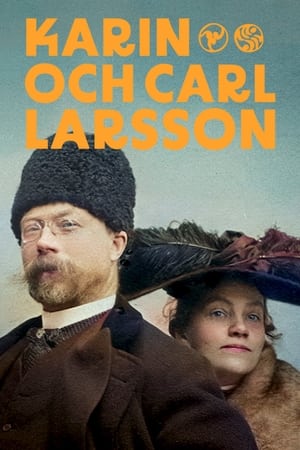
Karin och Carl Larsson
Using the very latest in drone and aerial photographic technology, tour across countries and their seasons, getting a unique view from above.
Juger Pétain
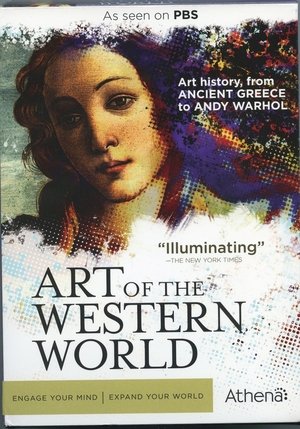
First broadcast on October 2, 1989, these 18 original 30-minute episodes provide a panorama of 2000 years of architecture, painting and sculpture, and studies the art masterpieces as reflections of the Western culture that produced them.
Featuring the minute-by-minute accounts of the brave soldiers who crossed deep into enemy territory in 1942, recounting these heroic top-secret operations.
Histoire Immédiate
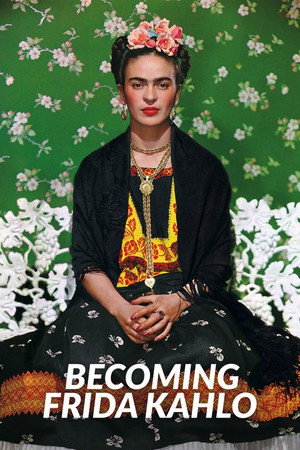
A look into Frida Kahlo's world, revealing an artist driven by politics, power, sex and identity, with her epic love affair with Diego Rivera at the heart of it all.
A look back at a cruel conflict, the Franco-Prussian War (1870-71), which changed the political geography of Europe and sowed the seeds of a deep antagonism between France and Germany that culminated in two world wars. Excerpts from the diaries of the witnesses, photographs and painted panoramas tell the truth about a forgotten war.
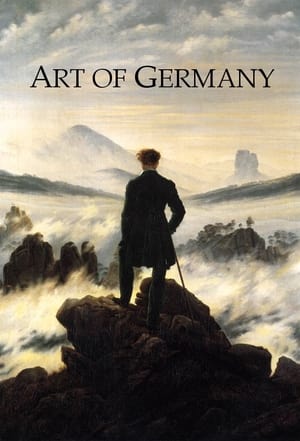
In an absorbing study, Andrew Graham-Dixon tells the story of a national art that conveys passion, precision, hope and renewal. He juxtaposes escapism with control and a deep affinity with nature against love for the machine. The fascinating story takes us from the towering cathedral of Cologne, the woodcuts of Albrecht Dürer and paintings of Grünewald to the gothic fairytale Neuschwanstein Castle, the Baltic landscapes of Caspar David Friedrich and the industrialisation lent expression of Adolph Menzel and Käthe Kollwitz. As the series progresses, it presents a rare focus on the cultural impact of Hitler's obsession with visual art, reveals how art became an arena for the Cold War and examines the redemptive work of the "visionary" Joseph Beuys – the most influential artist of modern times.
Thérèse, La Petite Sainte de Lisieux
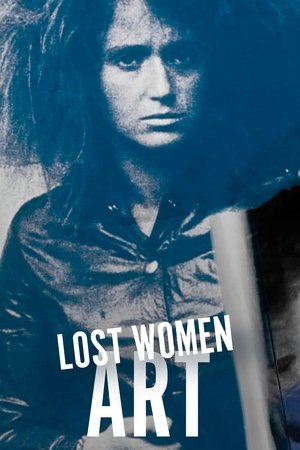
Women write art history – but in turn are systematically ignored by it. LOST WOMEN ART tells the story of the suppressed female avant-garde and by doing so introduces a new art history.
In this three-part documentary series Waldemar Januszczak discovers paintings, sculptures and architecture of the Baroque period. Starting from the square of Saint Peter's Basilica in Italy to St Paul's Cathedral in England.
In the show, selected applicants each present a curiosity, rarity or antique they have brought with them. Once they have received their expertise, they will have the opportunity on site to offer their exhibit to a changing five-person podium for sale and, ideally, to sell it to the highest bidder for „Bares“ ("cash").
This two-part, four-hour documentary delves into the world of a 15th-century art titan and unravels his journey while shedding light on his lasting impact on future generations.
Art historian Andrew Graham-Dixon travels through time to unlock the world of Russian art.