7 computers are currently being produced worldwide per second but only 4 humans are born at the same time. Everyday activities like buying a computer always generate a greater global impact on social and ecological levels. BEHIND THE SCREEN gives people behind the major electronic product a face and demonstrates the links of a decentralized economic system that are difficult to understand based on true life processes. The main stages which a computer passes through its life span are presented: Gold-mining in West Africa, electronics manufacturing by migrant workers in the Czech Republic, the use of computer products in the rich western world and their final disposal in the electronic waste dumps of Ghana.
The onset of the 21st Century will be an era in which the very nature of what it means to be human will be both enriched and challenged as our species breaks the shackles of its genetic legacy and achieves inconceivable heights of intelligence, material progress, and longevity. While the social and philosophical ramifications of these changes will be profound, and the threats they pose considerable, celebrated futurist Ray Kurzweil presents a view of the coming age that is both a dramatic culmination of centuries of technological ingenuity and a genuinely inspiring vision of our ultimate destiny.
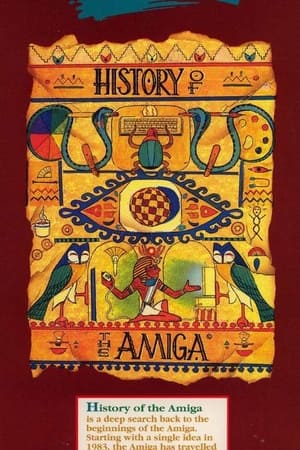
Take an intriguing, fun-filled journey through the history of the Amiga computer. From the earliest days, we'll examine the trials, tribulations, and triumphs of today's latest models from Commodore. Listen while Jay Miner, "Father of the Amiga", tells amusing anecdotes of the early days and the first prototype...hear what Commodore has to say about the future of the Amiga...and lots more! Meet the people, view the products and visit the places that have helped make the Amiga and Amiga user unique in the history of computing!
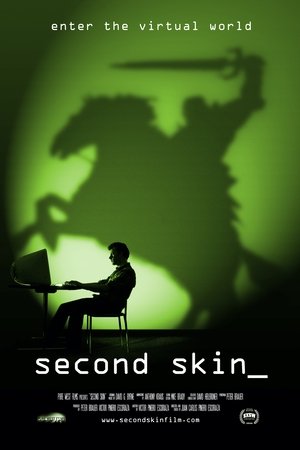
Second Skin takes an intimate look at three sets of computer gamers whose lives have been transformed by online virtual worlds. An emerging genre of computer software called Massively Multiplayer Online games, or MMOs, allows millions of users to interact simultaneously in virtual spaces. Of the 50 million players worldwide, 50 percent consider themselves addicted.
THE PEOPLE'S CLOUD is a web-based six-part documentary series that gets to the bottom of the internet; investigating the ecology and impact of cloud computing on the lives of those who use it, the places it is physically located in and the people who work to maintain it.
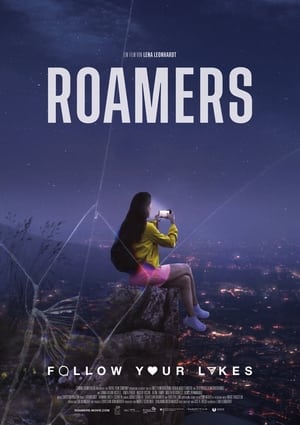
ROAMERS accompanies different characters on their way through the countries and social media feeds of this world: From the celebrated video blogger from Palestine who quit his lucrative job at PayPal in favor of as much life experience as possible, to the former young top manager who gave up her business in Switzerland and her marriage for the adventure of a round-the-world trip, to the Argentinean couple who use their computer science skills acquired at IBM to distribute self-produced porn videos online "on demand" and thus finance their trip around the world. As digital nomads who become the creators of their impressive life stories on their own initiative, they are all sounding out the boundaries of a new era: between personal freedom and the dependence on algorithms and wifi, between self-fulfillment and self- exploitation - in search of meaning and support in a world that offers ever more possibilities and yet also seems increasingly fragmented.
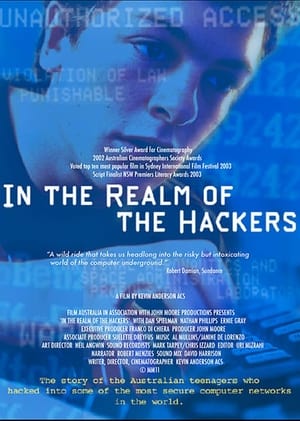
In The Realm of the Hackers is a documentary about the prominent hacker community, centered in Melbourne, Australia in the late 80's to early 1990. The storyline is centered around the Australian teenagers going by the hacker names "Electron" and "Phoenix", who were members of an elite computer hacking group called The Realm and hacked into some of the most secure computer networks in the world, including those of the US Naval Research Laboratory, Lawrence Livermore National Laboratory, a government lab charged with the security of the US nuclear stockpile, and NASA.
an experimental short shot completely in black and white and attempts a new technique.
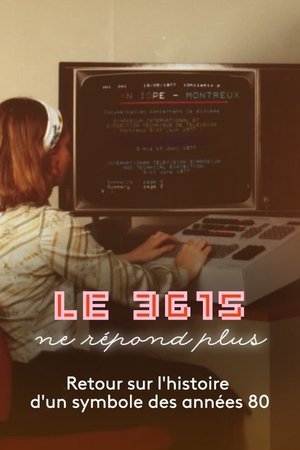
The adventure of the minitel, a small cubic terminal with a folding keyboard that began in the 1970s in the labs of France Telecom, is closely linked to Alsace. Alsatians had then in hand the future tools of interactive communication. What remains today of all those minitel years? Like a nocturnal and intimate road-movie, this documentary went to meet the last people who are still interested in the minitel, this strange beige box of access to telematic services, corny today, but pioneers at the end of the last century.
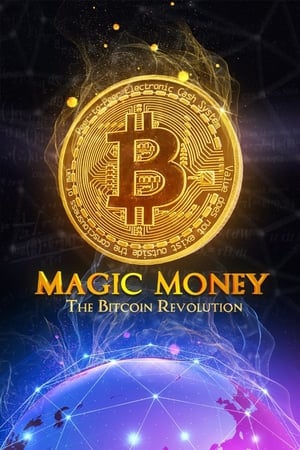
What is Bitcoin? With the advent of Bitcoin, the world's first digital currency, for the first time in history money is no longer controlled by banks or governments, but by the people who use it. But where did this currency come from? How does it work? And is it truly the way forward, or just a flash in the pan? Magic Money answers these questions and more as it explores the mysterious origins of Bitcoin, its role in society, and how it could shape the future.
A exploration of the fanaticism that surrounds the Apple brand, featuring interviews with Mac evangelists and members of the Mac community.
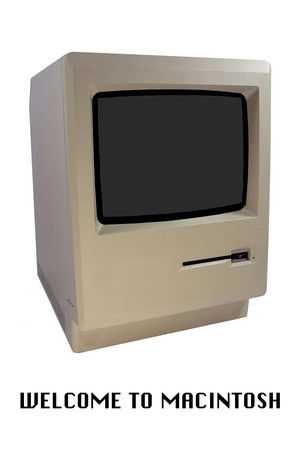
"Welcome to Macintosh" is a documentary that mixes history, criticism and an unapologetic revelry of all things Apple. Whether a long time Mac fanatic or new to computers, Welcome to Macintosh explores the many ways Apple Computer (now Apple, Inc.) has changed the world, from the early days of the Apple-I to the latest the company has to offer.
A documentary with the three cinematographers known for breaking away cinema away from celluloid with the introduction of digital video.
Nested Sequence
Guardians of the New World introduces us to the world of hacker culture. Emerging from the 70’s counterculture around conceptions of personal freedom, decentralisation of power and sharing, hacking really came to prominence with the emergence of the Internet as a ubiquitous public forum from the late 90’s onwards.
A story about the world's best Cyber spies. Their training in Israel's military, and their impact on the world we live in.
LA PELÍCULA DE MENTIRA
Last bastion of freedom of expression or playground for extremists and criminals? Opinions are divided on the messaging service Telegram. Just like on its mysterious founder, tech billionaire Pavel Durov. Is this man an uncompromising advocate of radical freedom or an accomplice of criminals of all kinds? Author Aleksandr Urzhanov searches for answers.
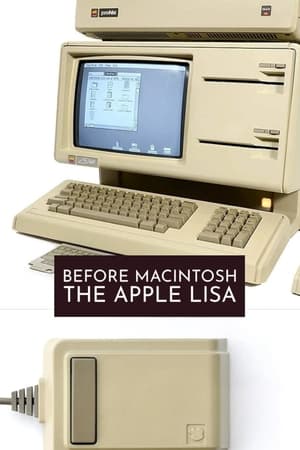
Explores the history, technology, people, stories and industry influence of this lesser-known personal computer. The film profiles important individuals involved in the creation of the computer, plus its life after cancellation, both as an entry-level Macintosh compatible and as a collectible. The work of Douglas Engelbart and his team, plus advances from the Xerox Palo Alto Research Center (PARC) with their Alto and Star workstations were the initial innovators of the Graphical User Interface (GUI), but the Apple Lisa stands as the clear foundation for what we all use today -- Macintosh -- Windows -- iOS -- Android.
In the early 1960s, computers were still science-fiction to most people; those who did grasp computers knew them as room-filling behemoths. A small team at the Italian company Olivetti would thus astonish everyone in 1965 when they unveiled a computer small enough to fit on a desk and usable by regular people: Programma 101, considered by many the world’s first personal computer.