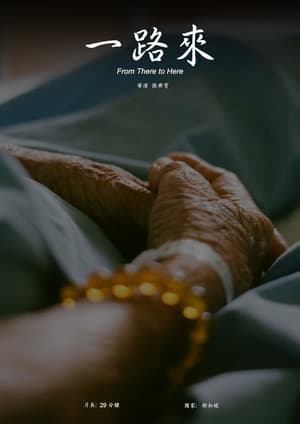
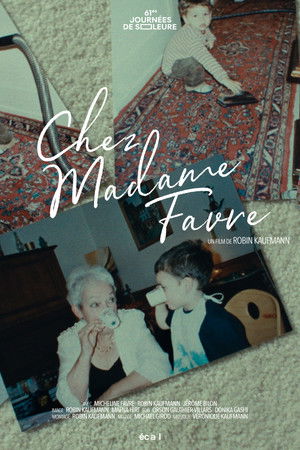
'From One Day To The Next' follows four elderly people through their everyday lives, observing how they cope with a gradual loss of autonomy.
Danusia and her daughter Basia live far away from the modern world, in tune with the rhythm and laws of nature, among animals and the spirits of the dead. The peace and sense of security offered by their enclave come at a price - the women increasingly long for contact with other people. Bucolic is an affectionate observation of people who live in a different way. It evokes a curiosity about their world and a desire to take a closer look.
Asilo (Prototipo)
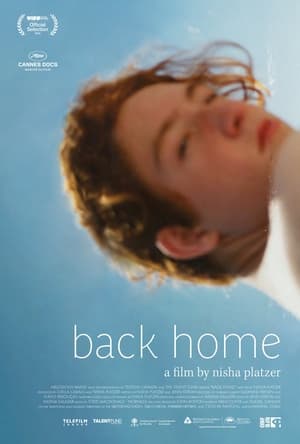
In early September 2011, Leah decided to go to Lebanon to film her grandmother. Two weeks after the end of filming, her grandmother died of metastatic lung cancer. It would take her 12 years to regain the courage to review their last conversations. Through memories and poems she draws the portrait of her grandmother paying homage to her colorful spirit that made her unique.
A documentary about an upcoming artist who is in grief but is trying to manage his musical career as a rapper.
Symphonie Atonale
An urgent, timely and compelling portrait of Hollywood icon Greta Garbo, whose fame, isolation and loneliness still captures us.
Interviews with a dozen California centenarians against a montage of present day media reportage.
María Fux spends her life training dancers, particularly those with disabilities. But now, at 90, she finds her toughest student may be herself.
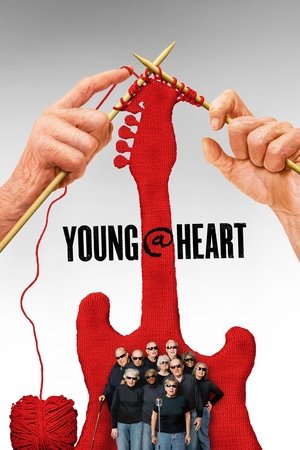
Documents the true story of the final weeks of rehearsal for the Young at Heart Chorus in Northampton, MA, and many of whom must overcome health adversities to participate. Their music goes against the stereotype of their age group. Although they have toured Europe and sang for royalty, this account focuses on preparing new songs for a concert in their hometown.
The Director reflects upon and seeks to understand the causes and the events that lead to her drug-addicted prostitute daughter being murdered at the age of 26.
The film discusses the emotional aftermath of disasters, emphasizing the importance of expressing feelings and seeking help. It highlights personal experiences of individuals affected by hurricanes and earthquakes, focusing on their feelings of guilt, anxiety, and the need for support. The discussion underscores that sharing experiences can alleviate emotional pain and that professional help should be sought for those struggling to cope with trauma.
A Ghanaian maintenance technician at a Virginia retirement community dreams of becoming an American citizen to provide a better life for his family. With their future at stake, he enlists the help of two elderly residents to prepare for the biggest test of his life: the US Citizenship exam.
Mary and Bill is a film focusing on Mary Stroebe and Bill Wambach. Mary is a 90-year-old triathlete and Bill an 83-year-old high jumper who holds the National record in his age bracket. Bill was also named "Male Athlete of the Year" by the National Congress of State Games. Mary appeared on the "Regis and Kelly Show" and as a result was nominated for and received a "Relly" award. The film follows Mary and Bill immediately after they experience serious health related problems. Mary brakes her leg while down hill skiing and Bill, who had smoked for 45 years, suffers a heart attack. Despite these physical ailments, both decide to train and compete in their respective events. Mary hopes to complete the Lifetime Fitness triathlon and Bill will attempt to win first place in high jumping at the National Senior Olympics. Through their amazing commitment, both Mary and Bill prove that age is just a number.
On the night of Oct. 2, 2005, Hart and Dana Perry's 15-year-old son Evan jumped to his death from his New York City bedroom window. This moving film is the story, told by his filmmaker parents and others who knew him, of Evan’s life and death, and his life-long struggle with bipolar disorder. It delves into the complexity of Evan's disease, sharing his family's journey through the maze of mental illness. In showing how one family deals with generations of loss and grief, the film defies the stigma related to mental illness and suicide and tells a human story that touches everyone.
Made in Japan, Last Room is both fiction and documentary. The occupants of the love-hotels and capsule-hotels tell their own intimate, dreamlike stories, interspersed with journeys through the archipelago's landscapes. Soon, these personal stories resonate with a collective history: that of Gunkanjima, the abandoned ghost island of Nagasaki, and then that of Japan as a whole.
After consolidating itself as a tourist destination in the mid-1960s, this small coastal village has become the dormitory town for the workers of a Nuclear Power Plant. With the liberal promise of prosperity and socioeconomic wellfare, many workers left their homes to move to the small city and started working at the new Nuclear Power Plant. The collective unrest and the silence, cut off by the great gusts of wind, articulate the landscape of the village that is now under the aid of the Nuclear Power Plant.
Valhalla
The documentary proposes a unique meeting with the speakers of several indigenous and inuit languages of Quebec – all threatened with extinction. The film starts with the discovery of these unsung tongues through listening to the daily life of those who still speak them today. Buttressed by an exploration and creation of archives, the film allows us to better understand the musicality of these languages and reveals the cultural and human importance of these venerable oral traditions by nourishing a collective reflection on the consequences of their disappearance.
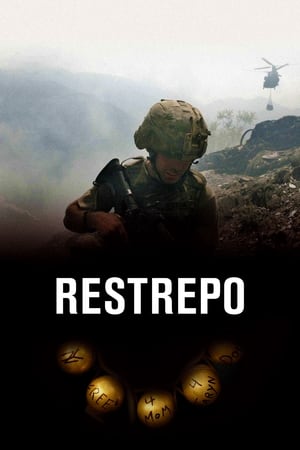
Directors Hetherington and Junger spend a year with the 2nd Battalion of the United States Army located in one of Afghanistan's most dangerous valleys. The documentary provides insight and empathy on how to win the battle through hard work, deadly gunfights and mutual friendships while the unit must push back the Taliban.