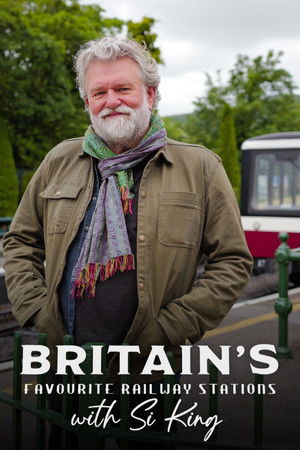
Bill Bailey travels to Vietnam on the 50th anniversary of the withdrawal of US forces from Saigon. Immersing himself in its rich culture, stunning landscapes and complex history, he uncovers what makes this fascinating country tick.
Mindgap med Agneta Sjödin
Horizon tells amazing science stories, unravels mysteries and reveals worlds you've never seen before.
Inside NASA's Innovations takes you behind the scenes with one of the world's leading technology innovators. Find out what it takes to collaborate with NASA in developing the next breakthrough in space exploration.
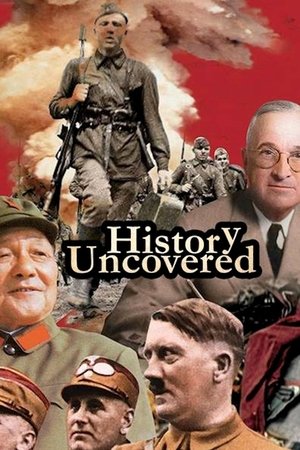
About Adolf Hitler's time in Germany. On January 30, 1933, Adolf Hitler was appointed Chancellor of Germany and his tenure in power lasted for more than twelve years. It began with a standing ovation and ended after a world war in which 50 million people were killed.
How the constitution of the largest Democratic Republic in the world was created.
For the first time ever, experts identify Hitler’s DNA. What do his genes reveal about Hitler's heritage and origins, his neurology and drives?
A series of short documentaries in talk show format loosely related to US holidays. In which they imply a cover-up of historical figures who prayed. No actual plot.
This is the story of a power struggle between two men - one fictional, and one real. In one corner is the master of crime – the greatest detective who never lived, Sherlock Holmes. In the other is writer, physician and spiritualist leader Sir Arthur Conan Doyle. Lucy Worsley explores the extraordinary love-hate relationship between author and creation.
The naturalist visits uncharted territory in pursuit of new discoveries. Steve Backshall takes on physical challenges, encounters extraordinary wildlife and meets remarkable people.
Invented 2700 years ago, closely linked to the destiny of empires and wars, money has changed the course of civilizations. From ancient Greece to contemporary America via ancient China and the French Revolution up to today's dematerialization of money initiated by Bitcoin, this documentary series deciphers the place it has played for millennia.
Chris Packham uses groundbreaking science and brand-new behaviour to delve deep beneath the skin and discover the unique features that have made certain animal groups successful.
Lifestyle related diseases, physical pain, and mental health. This program focuses on medical and health issues of interest, exploring effective countermeasures as well as methods of prevention.
In this documentary series, interspersed with historical reconstructions, Tom Waes investigates what has happened since the arrival of the first Homo sapiens, on the 14,000 square kilometers that we today call Flanders.
The story of the Second World War through the personal accounts of a handful of men and women from four American towns. The war touched the lives of every family on every street in every town in America and demonstrated that in extraordinary times, there are no ordinary lives.
Renowned author and journalist David Lagerkrantz, along with historians, forensic scientists and investigators, sheds new light on Swedish murders in the past.
A cinematic experience bringing you the most amazing human stories in the world. Humans and wildlife surviving in the most extreme environments on Earth.
How To Survive the End of the World examines terrifying and scientifically plausible doomsday scenarios by exploring distinct, world-threatening events and the methods by which humanity would fight to survive against grim odds.
In four chapters, largely based on and illustrated with archaeological finds and sites, Neil Oliver explains how, as far as is known, the Iron Age Celtic tribes known as the Ancient Britains evolved and entered European civilization. Their internecine tribal phase was warlike and partitioned. Overseas contacts, especially metal trade, brought wealth and progress. Ultimately, it attracted the superior Roman empire, which would conquer and pacify Britain into a province, like Gaul shortly before, but Caesar's invasion wasn't the definitive annexation yet, that was left to emperor Claudius; even afterward some Celtic traits and even rebellions remained.
2005 : État d'urgence