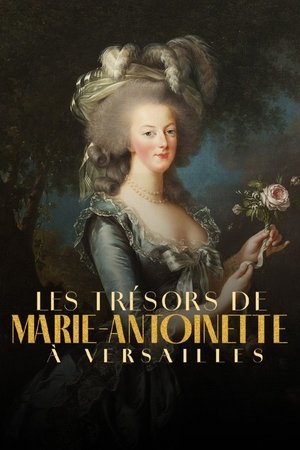
Over time, Queen Marie-Antoinette, who was the most hated woman of her time, experienced a spectacular return to favor. Today, historians and curators show another character: an independent and loving woman in constant search of intimacy who knew how to keep her secrets; a woman with refined, feminine and modern taste who marked her time. At Versailles, in this sublime setting cut off from the world where she barricaded herself, Marie-Antoinette cultivated her own style and influenced, throughout Europe, the tastes of her time.
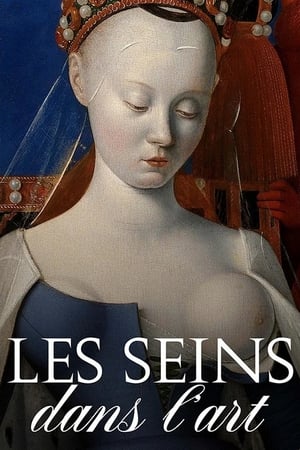
The female breast has been a motif for as long as there has been art. For centuries, people have been creating works that showcase this intimate and emotionally charged part of the body. Today, female artists are questioning traditional ideals of beauty and countering the male-dominated perspective of the breast with their own.
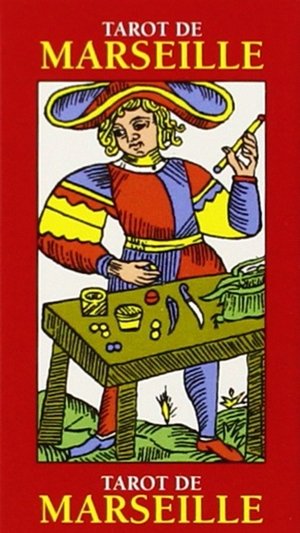
Tarology follows Enrique through the streets of New York City as he shows us how to see the tarot - not superstitiously, but through the eyes of an artist - and how we are surrounded everyday by both the beauty and the symbolism of this ancient and often misunderstood tradition.
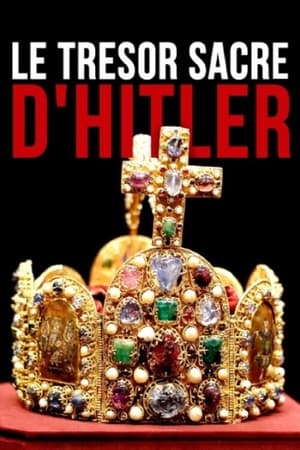
Spoliation nazie : Trois Chefs d'œuvre miraculés
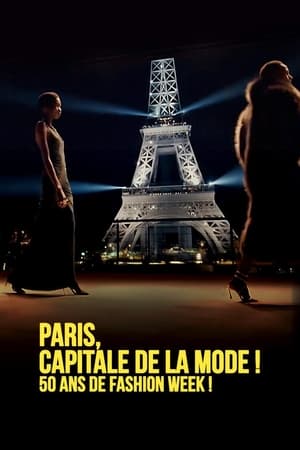
The year 2024 marks the 50th anniversary of Paris Fashion Week. To mark the occasion, Loïc Prigent looks back on half a century of fashion design and evolution in Paris. The 1970s, with the arrival of a new generation such as Kenzo and Sonia Rykiel, changed the game by simplifying and democratizing collections. The 1980s saw the emergence of personalities with a great appetite for spectacle: Jean Paul Gaultier, Christian Lacroix, Thierry Mugler, and Karl Lagerfeld.
Afatasi The Artist is a San Francisco based mixed-media conceptual artist and futurist. Her artwork—which includes textiles and fine art tapestry, small paintings and murals, metal work and clothing design—is a continuous exploration of the intersectionality of race, culture, gender, class, and geopolitics. “I like to create these things because there were so many who weren’t allowed to live this loudly,” Afatasi says, "and I know how much better the world would be if they had.”
Le Trésor sacré d'Hitler
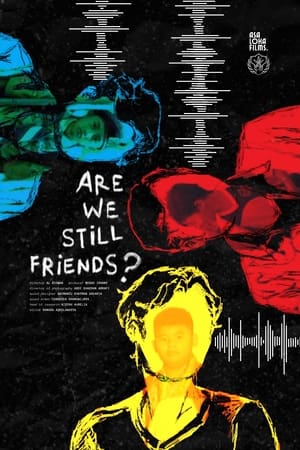
Three boys are asked to call a friend they haven't seen or contacted in a long time. Their conversations reflect on childhood memories, feelings, and the meaning of friendship.
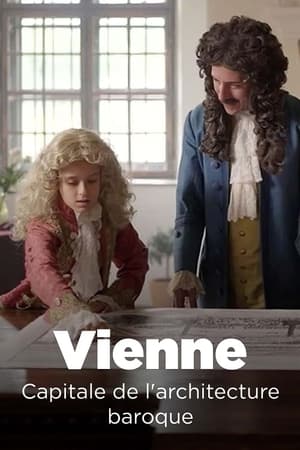
Wiener Barock - Der Architekt dreier Kaiser
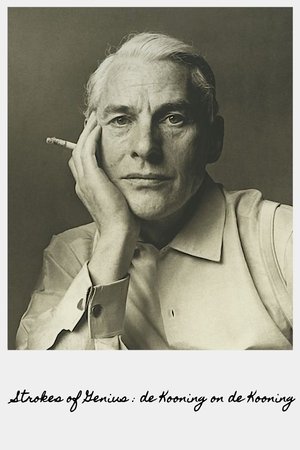
This award-winning 1982 documentary includes in-depth interviews with Willem and Elaine de Kooning as well as archival footage of Willem de Kooning, Franz Kline, and Harold Rosenberg in conversation.
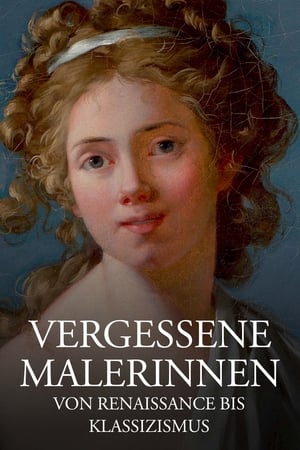
Geniale Frauen - Malerinnen von der Renaissance bis zum Klassizismus
Ernest Pignon Ernest is a French visual artist who is considered one of the pioneers of urban art in France. This film recounts the major stages of a considerable body of work that began in the 1960s on the Albion plateau and culminated in Les Extases at the Abbey Church of Bernay. The film gives him space to speak freely, generously, and with conviction. Ernest Pignon Ernest's hands are ancient, reaching back from Caravaggio to Titian, from Masaccio to El Greco. His works speak to us. They transform our streets into fictional spaces, reminiscences, rituals.
Quest for Beauty is a film documentary on the life and prolific art career of William Schickel who was a prominent 20th century Catholic artist. Schickel had a very prolific art career spanning sixty-plus years; he produced a large body of mostly commissioned work in painting, sculpture, stained glass, and architectural design. He is most well-known for his renovation of the Abbey of Gethsemani in Kentucky, where he worked personally with Thomas Merton. His works can be found in numerous private collections and museums, including the Vatican Museum. The film explores his Quest for Beauty and the challenges he faced, and his vision for the Church and his heart for unity in the Body of Christ.
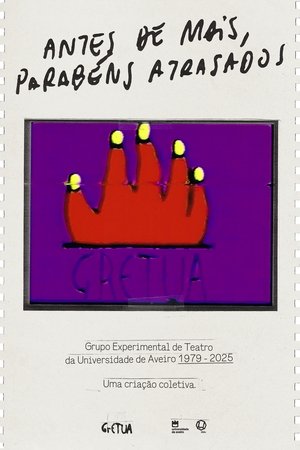
On the 45th anniversary of GrETUA – the Experimental Theatre Group of the University of Aveiro – photography and its subjects narrate a journey through the memories of generations upon generations who helped shape this space of learning and creation. "There is no birthday party, this is all a photograph" reflects on memory through the emotional language of these encounters.
Versailles, une révolution au jardin
The film features the leaders of the Moscow Classic Ballet Theater, Natalia Kasatkina and Vladimir Vasilev, who aspire to transform their theater into an international ballet center. The film is based on a story about the personal life and creative plans of the famous ballet couple.
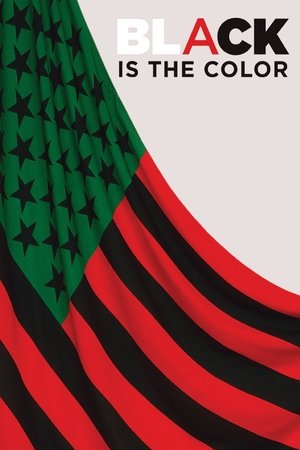
Black Is the Color highlights key moments in the history of Black visual art, from Edmonds Lewis’s 1867 sculpture Forever Free, to the work of contemporary artists such as Whitfield Lovell, Kerry James Marshall, Ellen Gallagher, and Jean-Michel Basquiat. Art historians and gallery owners place the works in context, setting them against the larger social contexts of Jim Crow, WWI, the civil rights movement and the racism of the Reagan era, while contemporary artists discuss individual works by their forerunners and their ongoing influence.
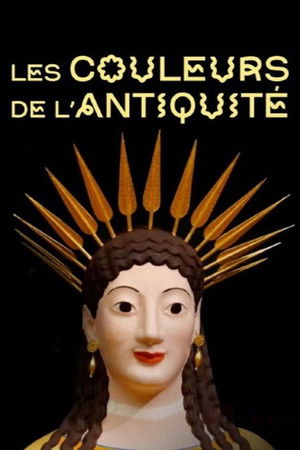
Les couleurs de l'Antiquité
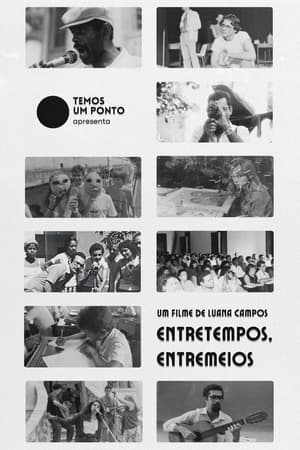
Entretempos, Entremeios
Until his death in 1994, the twentiethcentury master Paul Delvaux was the last surviving member of the first generation of surrealist painters. In this portrait, he reminisces about his family, himself, his art and the various phases of his career. He explains that all his visual ideas are derived from childhood memories and the film shows the way in which these scenes have been incorporated into his work. The painter is seen as a young man (the earliest footage dates from 1945) and the film includes some unique shots of the extraordinary Musée Spitzner.