A portrait of the lives of a disparate group of patrons and employees at an American watering hole today.
The LA Sisters are outrageous, controversial, always fabulously dressed men and women who feel they are called to minster to the community as 21st century nuns.
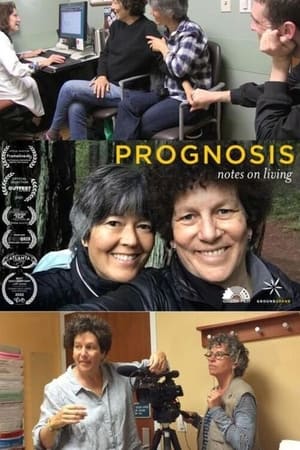
Lesbian director Brigid McFall and lesbian photographer Vic Lentaigne create a series of intimate, revealing portraits of what it means to be lesbian in 2022, exploring why it is that so many young women who are sexually attracted to other women now prefer to identify as queer.
A groundbreaking film that portrays the journey of Gigi Lazzarato, a fearless woman who began life as Gregory, posting fashion videos to YouTube from his bedroom, only to later come out as a transgender female. With never-before-seen personal footage, the film spotlights a family’s unwavering love for a child.
A look at what it's like to be gay and black in America.
This beautiful and poignant film was commissioned by TENI (Transgender Equality Network Ireland) and is a conversational piece which explores gender identity and transgender experiences in Ireland.
In the indigenous communities around the town of Juchitán, the world is not divided simply into males and females. The local Zapotec people have made room for a third category, which they call “muxes” - men who consider themselves women and live in a socially sanctioned limbo between the two genders.
It often happens that at the moment of death, transgender individuals are shorn of their identity. Their families are ashamed, the funeral takes place in secret, and on the tomb appears the name the deceased had before their transition, in one stroke nullifying the entire life path they had chosen. The same thing happened to Antonia. Her girlfriends gather to honor her memory and give her back her identity denied. In telling her story, the film’s stars, all drawn from the variegated transgender world, interweave the narrative with tales of their own lives, experiences, and memories.
Three Swedish teenagers express their thoughts about bi- and homosexuality while navigating questions of identity, self-acceptance, and societal expectations. Through personal stories and reflections, the film explores their struggles, hopes, and the challenges of growing up as LGBTQ+ youth in Sweden.
After an unlikely casting onto a reality television show, 47-year old suburban telemarketer Ed Popil leaves his job to pursue a full-time entertainment industry career as his drag queen alter ego, 1960’s era housewife Mrs. Kasha Davis.
Homophobia is a recurring issue in Arab and Muslim societies. However, many people from these communities also identify with the LGBTQ+ community. The short documentary HARAM explores the relationship between Muslim religious identity and queer sexual identities through discussions, testimonials and performance art.
A former U.S. Navy Seal seeks life, liberty and the pursuit of happiness living life as a transgender woman.
"Panic Bodies is a 70-minute, six-part exploration of the ways we experience the body's betrayals: disease, decline and death. The film is a panorama of emotionally charged recollections of strange relatives and estranged siblings, staged recreations of fast-fading pasts and personal mythologies, and reflections on the anxious states created by the body's fragile claims on time and space. It's about being a stranger in your own skin. Panic Bodies perfects the phantom quality of any good work about mourning, but it is not reducible to that. It is also enlivened by the intimacy that comes from having made a spectacle of personal secrets." (Kathleen Pirrie Adams, Xtra)
Stephen Fry discusses Oscar Wilde in relation to Wilde (1997) the biopic in which he starred as Wilde, released that same year.
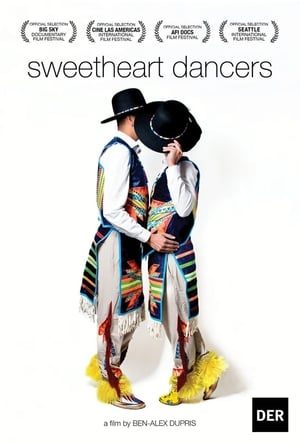
Fred Martinez was a Navajo youth slain at the age of 16 by a man who bragged to his friends that he 'bug-smashed a fag'. But Fred was part of an honored Navajo tradition - the 'nadleeh', or 'two-spirit', who possesses a balance of masculine and feminine traits.
A rare look inside Cuba’s LGBT community, this compelling film follows the efforts of Mariela Castro, daughter of President Raúl Castro, as she champions LGBT social reforms and acceptance of diversity.
A powerful documentary that follows gay Namibian activist Friedel Dausab as he challenges his country’s criminalisation of same-sex love. In June 2022, Friedel files a landmark lawsuit against the government, becoming a beacon of hope for LGBTQIA+ Namibians seeking safety and equality. Facing death threats, public hostility, and immense personal risk, he takes his fight to court while awaiting judgment. The film also traces the colonial roots of queer criminalisation—from Tudor England to its export across the Global South through empire and later reinforced by Christian evangelism. Alongside fellow activists from Sri Lanka and Barbados, Friedel travels to London, where history, protest, and Pride converge. Blending legal battle with historical insight, the documentary is both an urgent exposé of injustice and a stirring celebration of queer resilience, courage, and resistance.
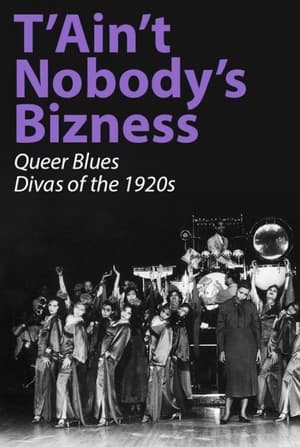
The 1920s saw a revolution in technology, the advent of the recording industry, that created the first class of African-American women to sing their way to fame and fortune. Blues divas such as Bessie Smith, Ma Rainey, and Alberta Hunter created and promoted a working-class vision of blues life that provided an alternative to the Victorian gentility of middle-class manners. In their lives and music, blues women presented themselves as strong, independent women who lived hard lives and were unapologetic about their unconventional choices in clothes, recreational activities, and bed partners. Blues singers disseminated a Black feminism that celebrated emotional resilience and sexual pleasure, no matter the source.
During Summer 2000, the mayor of the Greek island of Lesbos tried to ban 26 lesbians from arriving on a package holiday from the UK; but he ended up biting off more than he could chew. This programme follows the love, lust and laughs over the course of their holiday as the women drink, dance and snog their way around the island. Despite being shadowed by the papparazi and some negative islanders, nothing can stop our women from fighting for their right to party.
A history of the political and social repression carried out by the ruthless regime of Spanish dictator Francisco Franco between 1936 and 1975 that focuses on the lives of gays and lesbians during those dark years and the death of the Spanish gay poet Federico García Lorca.